Buying electronics in Beijing can be a rewarding experience if you navigate the market with a strategic approach. While the city offers access to the latest global technology, the landscape is distinct from what many expatriates are used to back home. From the labyrinthine corridors of specialized electronics malls to the convenience of major e-commerce platforms, understanding the local ecosystem is essential to avoid counterfeit goods, inflated prices, and compatibility issues. This guide outlines the best practices for sourcing cameras, laptops, and mobile devices while ensuring you get the authentic equipment you expect.
Navigate the Major Tech Hubs
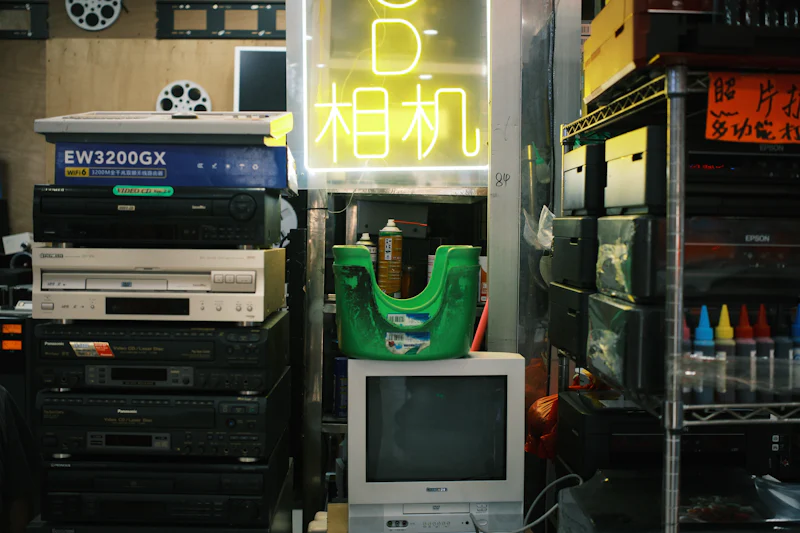
Beijing remains home to several legendary electronics malls, most notably those in the Zhongguancun district. While the area has evolved from a chaotic bazaar to a more regulated commercial hub, it remains the primary destination for camera gear, specialized computer components, and professional audio equipment. When visiting these malls, do not expect a boutique retail experience. Most stalls are independent vendors operating within a larger complex.
Before purchasing, compare prices across at least three different stalls. Negotiation is common here, but it requires a polite and informed approach. Always ask for a fapiao (official tax receipt) if you are buying from a large-scale vendor. A fapiao is your only legitimate proof of purchase for warranty claims or future resale. If a vendor refuses to provide one, it is often a signal to move to the next store.
Understanding Region Locks and Compatibility
One of the most frequent challenges for expatriates involves region-specific limitations. While laptops are generally universal, mobile phones and cameras may have firmware restrictions. For example, some camera models sold in mainland China may lack specific menu languages or feature software restrictions that differ from their international counterparts.
Before making a purchase, verify the model number on the manufacturer's official website. If you are buying a camera, check if the menu settings support your preferred language. For mobile phones, ensure the device supports the frequency bands used by your home country's network providers if you intend to use the device abroad later. Avoid purchasing 'parallel import' or 'water-goods' (shuishouhuo) items, as these products are often smuggled into the country and will not be eligible for manufacturer warranties in China or internationally.
Leverage Digital Platforms
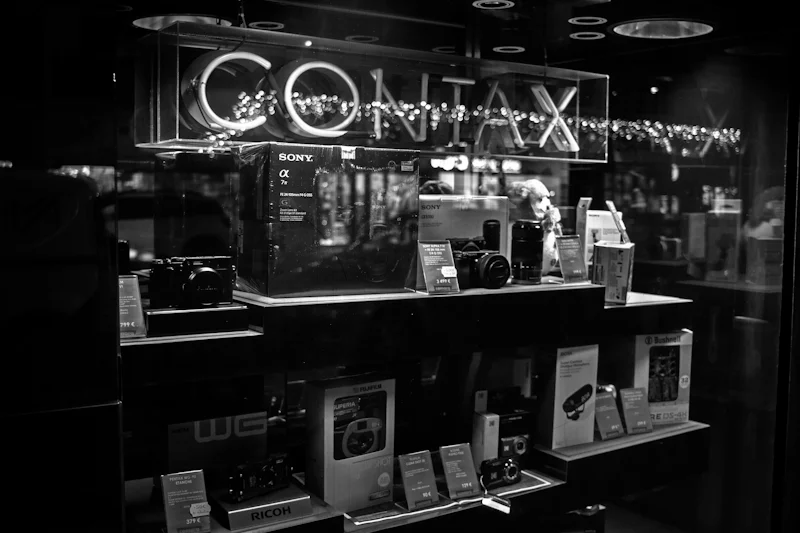
For those who prefer a more transparent price structure, major e-commerce platforms such as JD.com (Jingdong) and Tmall are your safest bets. JD.com, in particular, operates its own logistics and warehouse system, meaning that products marked 'JD Self-Operated' (京东自营) are guaranteed to be authentic and shipped directly from their own facilities. This effectively eliminates the risk of dealing with third-party sellers who might list counterfeit items.
When using these platforms, always use your 支付宝 (Alipay) or WeChat Pay, as these services often offer additional purchase protections. Returns are generally manageable within 7 days, provided the packaging remains unopened and the item is in original condition. Always check the seller's rating and read the most recent user reviews, specifically looking for photos uploaded by buyers to verify the condition of the delivered goods.
Verify Authenticity and Warranty
Regardless of where you shop, always verify the serial number on the manufacturer’s website immediately after purchase. Many brands provide an online portal where you can input the device's unique identifier to confirm that it is an official unit intended for the Chinese market. If the device does not register, return it to the retailer immediately. Furthermore, clarify whether the warranty is 'global' or 'domestic.' A domestic warranty will typically not be honored if you relocate to another country, so factor this into your long-term decision.
By prioritizing platforms with official brand stores and maintaining a cautious approach when negotiating in physical malls, you can navigate Beijing's electronics market with confidence. The key is to avoid 'too-good-to-be-true' deals and always insist on official documentation.
Which electronics retail store or online platform have you found most reliable for your own tech purchases in Beijing?
Quick Takeaways:
- Use JD Self-Operated products to ensure authenticity and fast shipping
- Always request an official fapiao for large electronics purchases
- Check manufacturer websites for region-specific firmware and warranty limitations
- Compare prices at multiple stalls in Zhongguancun before committing to a purchase
#livinginguide #beijingtech #expatchina
