If you are planning to visit historical sites across China, the best movies set in Ancient China and classic literature serve as essential primers to help you appreciate the depth of what you are seeing. While modern China moves at a rapid pace, the architectural and cultural remnants you will encounter in cities like Xi’an or Beijing are best understood through the lens of historical context, which can transform a standard sightseeing trip into a deeply immersive journey through time.
Cinematic Journeys into Imperial History
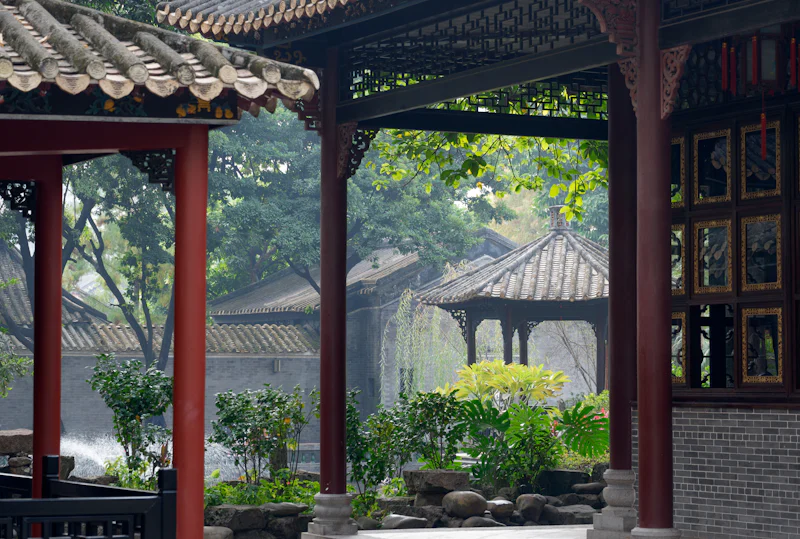
When looking for the best movies Ancient China has to offer, focus on high-quality historical dramas that prioritize production design. Zhang Yimou’s Hero (英雄) is an indispensable starting point; it captures the aesthetic of the Qin Dynasty through a stylized, color-coded visual narrative. For those visiting the Terracotta Warriors in Xi'an, this film provides a visceral sense of the era’s intensity. Another masterpiece, Raise the Red Lantern (大红灯笼高高挂), offers a haunting look at the domestic politics of the late Qing Dynasty. While these films use dramatization, they serve as excellent visual references for the architecture and costumes you will see in preserved historical districts.
Literature as a Travel Companion
Literature on Medieval China provides a different layer of texture to your travels. The Four Great Classical Novels—specifically Romance of the Three Kingdoms (三国演义)—are deeply embedded in the Chinese cultural consciousness. Reading excerpts before visiting shrines in Chengdu or Hubei province will reveal why certain statues and temples are significant to locals. Unlike typical historical fiction, these classics explain the ethical codes and social hierarchies that shaped Chinese society for centuries. If you find the dense original texts intimidating, look for modernized interpretations or summaries on platforms like 知乎 (Zhihu) to gain a practical understanding of the core plots.
Bridging History and Modern Travel
Chinese history media is most effective when used to supplement your actual itinerary. Before you book a guided tour at a major site like the Forbidden City, watch a documentary series like Masters in the Forbidden City (我在故宫修文物). This series highlights the restoration process of ancient artifacts, offering a behind-the-scenes look at the historical preservation efforts in China. When visiting temples or ancient streets, take note of the signage, which often references characters or events from these films and books. Using 高德地图 (Amap) to navigate to these sites, you will often find user comments that link specific locations to their historical or cinematic significance.
Selecting Reliable Media Sources
To ensure you are getting an accurate portrayal of Chinese history, cross-reference your choices with databases like Douban (豆瓣). This Chinese equivalent of IMDb is a great tool to check the ratings and historical accuracy of Chinese historical dramas. Popular historical series, such as Nirvana in Fire (琅琊榜), while technically fictional, provide a flawless look at traditional etiquette, tea ceremony protocols, and internal power dynamics that remain relevant in modern social interactions. By viewing these pieces of media as cultural case studies rather than simple entertainment, you will be much better prepared to engage with the complex layers of Chinese heritage during your travels.
Watching historically grounded media and reading classical literature transforms heritage sites from mere piles of stone into living, breathing chapters of a multi-millennial narrative. Which film or book first sparked your interest in exploring the historical landscapes of China?
Quick Takeaways:
- Watch Hero for visual context on the early Imperial dynasties and architecture.
- Use Douban to verify historical drama ratings and cultural resonance among locals.
- Read Romance of the Three Kingdoms to understand local temple deity figures.
- Supplement site visits with documentaries like Masters in the Forbidden City for depth.
#bestmoviesancientchina #travelchina #chineseculture
