The China TWOV (Transit Without Visa) policy allows travelers from 54 eligible countries to enter specific regions for 72 or 144 hours without a formal visa, provided they hold a confirmed ticket to a third country or region. The most critical rule is that your journey must be a true transit: you must arrive from Country A, stay in a designated transit city in China, and depart for Country C. A round-trip ticket that returns to your starting country does not qualify for this program.
Understanding the Transit Eligibility Requirements
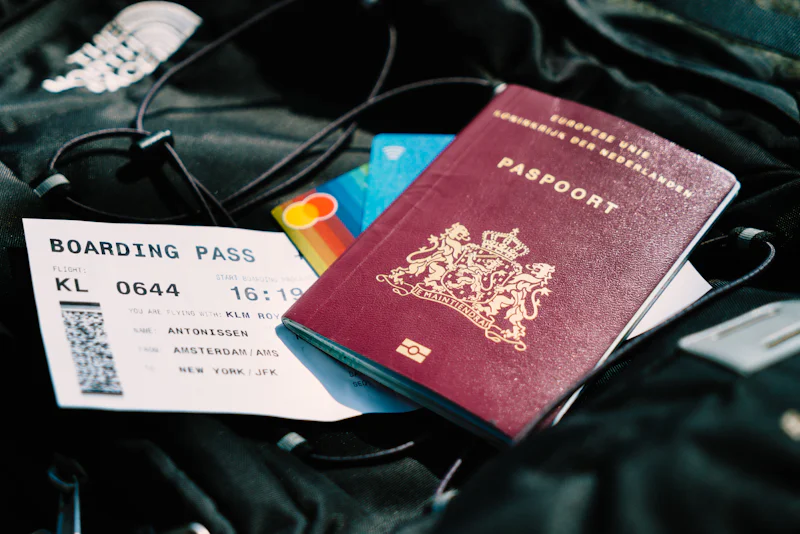
To qualify for the 144-hour visa-free transit, you must hold a passport from one of the 54 recognized countries and possess a confirmed air, train, or ship ticket to a third country. A common pitfall is misunderstanding the "third country" rule. If you fly from London to Shanghai and then return to London, you are ineligible. You must fly London to Shanghai, then Shanghai to Tokyo. Furthermore, you cannot leave the designated transit area, which usually encompasses entire provinces like Guangdong or the municipality of Shanghai, without violating the 居留许可 (Residence Permit) regulations for temporary visitors.
Navigating Airport Customs and Verification
Upon arrival, you must head to the dedicated "Transit Without Visa" counter at the airport before going through standard immigration. Ensure you have your onward ticket printed, as immigration officers often verify the electronic record through their internal system. If your flight is delayed or rerouted, you must immediately contact the airline’s transit desk. In some cases, if the airline changes your flight to a domestic connection, you may lose your eligibility, forcing you to apply for a standard visa at the airport which is not always guaranteed.
Managing Your Temporary Stay
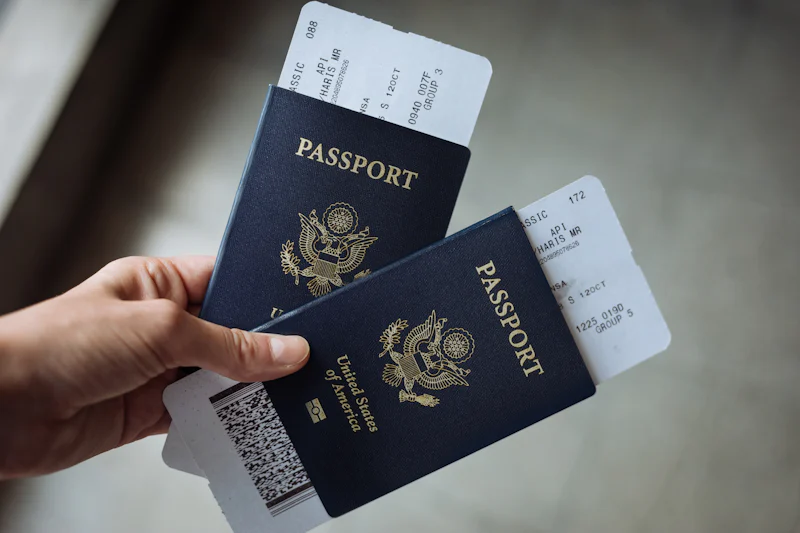
Once you receive your temporary entry permit, you are treated as a temporary visitor. You must register your stay within 24 hours of arrival at your hotel. If you are staying with friends, you must visit the local 派出所 (Police Station) to register your address. Failure to do this can lead to fines during your exit process. Note that while you can move freely within the approved administrative regions, you cannot cross into other provinces. For example, if you enter via the Shanghai 144-hour policy, you are permitted to visit Jiangsu and Zhejiang provinces, but traveling to Beijing would be a violation of your transit status.
Avoiding Common Scheduling Pitfalls
Travelers often fail by booking "self-transfer" flights. If your two flights are on separate bookings, the airline at your origin point may refuse to board you, claiming your documents are incomplete. Always try to book your transit on a single ticket (PNR). If you must book separately, ensure you have enough time—at least six hours—to clear customs, collect baggage, and re-check in. Using apps like 航旅纵横 (Umetrip) can help you track real-time flight changes, but always rely on the official information provided by the 国家移民管理局 (National Immigration Administration) when planning your stopover itinerary.
The secret to a successful stopover is ensuring your onward flight is to a different country or region, such as Hong Kong or Macau, which count as third destinations under this policy. Have you ever encountered issues at the airline check-in counter regarding your eligibility for the 144-hour transit?
Quick Takeaways:
- Ensure your onward ticket is to a third country, not your starting country.
- Carry printed copies of your confirmed onward travel itinerary for immigration officers.
- Register your temporary residence at your hotel or local police station within 24 hours.
- Stay within the approved administrative transit zones to avoid violating your entry permit.
#china #transitvisa #traveltips
