Navigating medical coverage as a foreigner requires choosing between mandatory basic social insurance and supplementary expat health insurance China to bridge the coverage gap. While many employers provide the government-mandated plan, it often fails to cover care at international facilities where communication barriers are minimized. Understanding the distinction between public systems and private clinics is essential to avoid unexpected out-of-pocket costs during a medical emergency. Prioritizing the right coverage today ensures you have access to the specific quality of care you expect throughout your stay in China.
The Limitations of Public Social Insurance
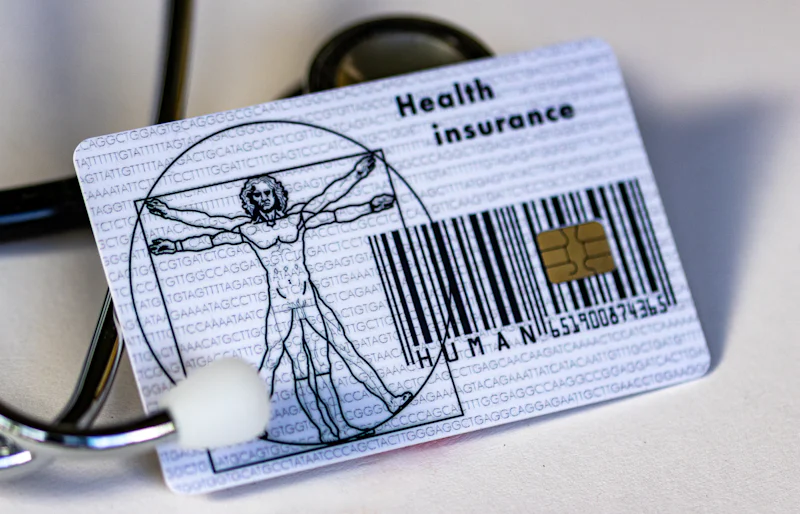
If you are employed legally, your company contributes to the 社会保险 (shèhuì bǎoxiǎn) or Social Insurance. This includes basic medical coverage which is excellent for low-cost, routine care at local hospitals. However, this coverage is generally limited to public facilities. Navigating a large public hospital requires significant language skills or a translator, as English-speaking staff are rarely available in general wards. Furthermore, you must follow strict procedures, such as visiting your designated local hospital first, to maximize your reimbursement rates. Even with insurance, you may face long queues and bureaucratic hurdles that complicate simple procedures.
Why Expats Opt for Private Medical Insurance
Many professionals prefer private medical insurance for foreigners because it grants direct access to international clinics and high-end private wings of public hospitals. These facilities feature English-speaking doctors, western-style amenities, and direct billing services. When using these services, you often present a digital insurance card via an app like 支付宝 (Alipay) or a physical card to avoid paying upfront. Policies range from basic inpatient-only coverage to comprehensive plans covering dental, vision, and maternity. A critical pitfall is assuming your home country’s travel insurance will suffice; most policies become invalid once you obtain a residence permit or stay longer than 90 days.

Evaluating Costs and Deductibles
Medical insurance for foreigners is priced based on your age, pre-existing conditions, and the coverage area—typically split between 'Worldwide excluding USA' or 'Greater China only.' If you are young and healthy, a plan with a high deductible can significantly lower your monthly premiums while still protecting you against catastrophic illness or injury. Always request a schedule of benefits to confirm if your preferred international clinic in your specific city is 'in-network.' If you choose an out-of-network provider, you will likely need to pay the full cost of medical care in China out-of-pocket and submit a claim for reimbursement later, which can take up to 30 days.
Essential Considerations for Policy Holders
When reviewing a policy, check the 'co-pay' requirements. Some plans mandate that you pay 10–20 percent of the total bill even at private clinics. Ensure your policy covers emergency medical evacuation, especially if you reside in a secondary city without access to specialized facilities. Finally, be aware that many insurance providers in China perform medical underwriting; they may exclude conditions you were diagnosed with before purchasing the policy. Always disclose your health history honestly to ensure your claims are honored during a critical moment.
Your choice of coverage should be dictated by your proximity to international clinics and your personal comfort level with the local public hospital system. Have you ever had to utilize your medical insurance during a hospital visit in China, and how was the experience?
Quick Takeaways:
- Social insurance covers basic public hospital care but lacks English-speaking support staff.
- Private health policies provide direct billing at international clinics for a higher premium.
- Verify if your chosen clinic is in-network to avoid upfront payment hassles.
- Purchase a policy that includes emergency medical evacuation for comprehensive personal protection.
#expathealthinsurance #livinginchina #expatschina #expatlife
