Shipping books to China is entirely possible, but navigating the customs process requires preparation to avoid confiscation or long delays. China Customs enforces strict regulations on imported media, meaning every shipment is subject to inspection. While personal book shipments are generally allowed, they are limited by quantity—typically considered 'reasonable personal use'—and must pass content review. For most expats, the challenge is not whether the books arrive, but how they are processed through customs, which can vary based on whether you use international couriers like DHL or standard postal services.
Understanding Customs Regulations for Media
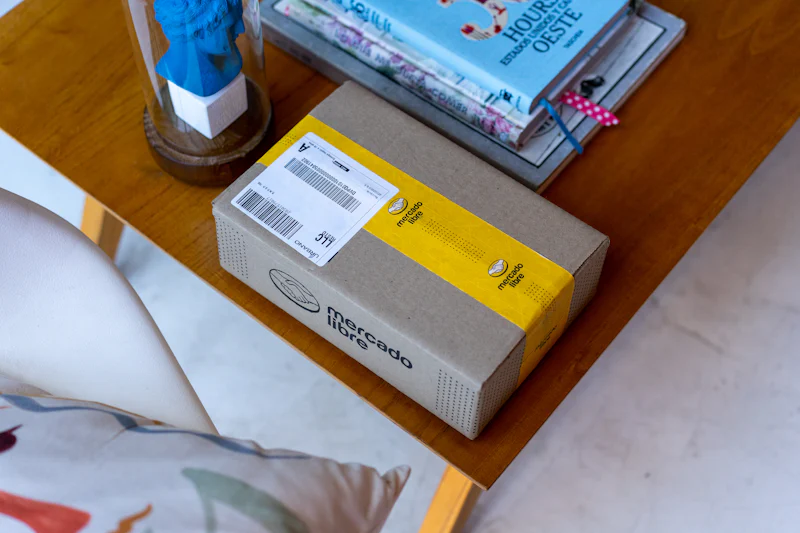
When shipping personal items to China, you must provide a detailed packing list, ideally in both English and Chinese. Do not use vague descriptions like 'printed materials' or 'books' on your declaration. Instead, specify the titles, authors, and quantities. Customs officials check these lists against a database of prohibited content. If a book is flagged, you will receive a notification via SMS or a letter from the courier. You may be asked to pay import duties, or in some cases, the book may be returned or destroyed if it is deemed non-compliant with local regulations. Always keep your 海关 (Hǎiguān), or customs, documentation readily available for tracking inquiries.
Selecting the Right Courier Service
For international shipments, using a major courier like DHL or UPS offers the advantage of expedited customs clearance. These companies have their own clearing agents who manage the paperwork for you, though they charge a fee for this service. If you ship via the national postal service, your package will be processed by China Post. While significantly cheaper, the tracking is often less transparent, and the package might sit in a regional processing center for several weeks. For valuable or rare books, a courier with a robust door-to-door tracking system is the safer investment.

Buying Foreign Books Locally
If the risk of international shipping seems too high, there are reliable ways to access English-language media within China. Many expats use the 微店 (Wēidiàn) platforms or dedicated WeChat mini-programs to source imported books. Additionally, large online retailers like Amazon China (though currently integrated into other platforms) or specific foreign-language bookstores in major cities like Shanghai and Beijing provide curated selections. Using 支付宝 (Alipay) or 微信支付 (WeChat Pay) for these local transactions is seamless and avoids all customs-related headaches. If you absolutely need a specific title, these local channels are often more efficient than international postage.
Managing Expected Timelines
Whether you ship from home or purchase online, patience is essential. International shipments can take between 15 to 45 days to clear customs during peak seasons like the 'Double 11' shopping festival. If a package enters customs during a public holiday, expect further delays as government offices remain closed. Always ensure your phone number provided on the shipping label is active, as customs agents or courier representatives may call you directly to verify the contents of the package.
Customs clearance depends entirely on accurate documentation and adhering to the principle of reasonable personal use. Have you successfully received a large shipment of books, and which courier provided the most reliable service for your delivery?
Quick Takeaways:
- Provide a detailed itemized list of book titles and authors for customs declarations.
- Use major international couriers for better tracking and professional customs clearance assistance.
- Expect potential delays of up to 45 days during major holiday and shopping seasons.
- Consider purchasing from local expat-focused bookstores to bypass international customs and shipping risks.
#shippingtochina #expatsinchina #livinginguide
