Dining with locals in China is more than just a culinary experience; it is a structured social ritual where unspoken rules define the atmosphere. Whether you are at a casual neighborhood hotpot spot or a formal business banquet, understanding the etiquette signals respect for your host and deepens your local connections. While modern urban centers are becoming more relaxed, observing traditional customs remains a highly valued trait that can significantly improve your personal and professional relationships.
The Seating Hierarchy and Order of Service
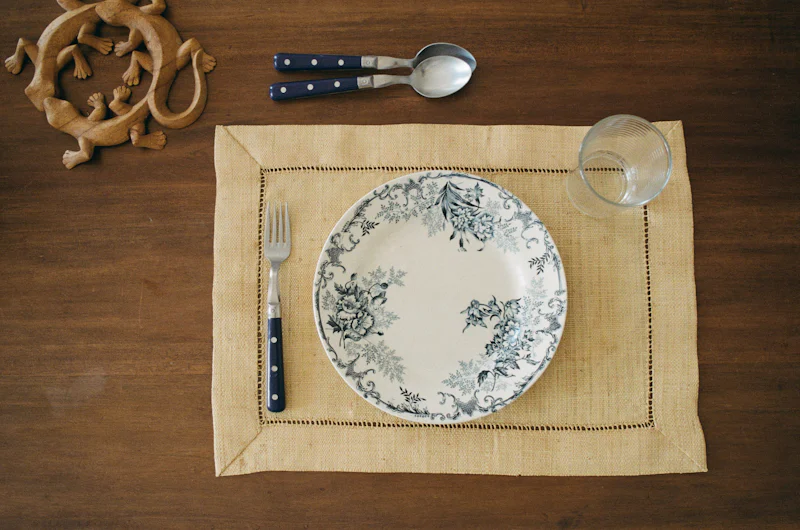
In formal or traditional settings, seating is rarely random. The seat of honor, known as the 'zhuxi' or 'shangzuo', is typically the seat facing the door or the main entrance of the room. It is reserved for the most senior guest or the person of highest status. Do not sit until you are directed to your place. If you are the guest, you will likely be encouraged to take this seat. If you are unsure, wait for the host to gesturally guide you.
Ordering follows a specific flow as well. Usually, the host orders the entire meal. Do not feel pressured to order for yourself unless specifically asked. The host will aim for a balance of textures, colors, and flavors, typically ordering more food than the group can consume. This is a show of generosity. If a dish remains untouched, it is not an insult to the chef, but rather a sign that the host provided enough food to satisfy everyone completely.
Mastering the Art of Toasting
Toasting is the backbone of Chinese dining social life. The host initiates the first toast, and you should wait for this before drinking your first sip. When clinking glasses, there is a distinct hierarchy: if you are junior to the person you are toasting, ensure the rim of your glass is lower than theirs when they make contact. This is a subtle but universal sign of humility and respect. If you do not drink alcohol, it is perfectly acceptable to substitute with tea or juice. Simply state 'wo bu hui he jiu' (I cannot drink alcohol) or 'wo yi cha dai jiu' (I will use tea instead of alcohol) with a polite smile.
Practical Table Manners
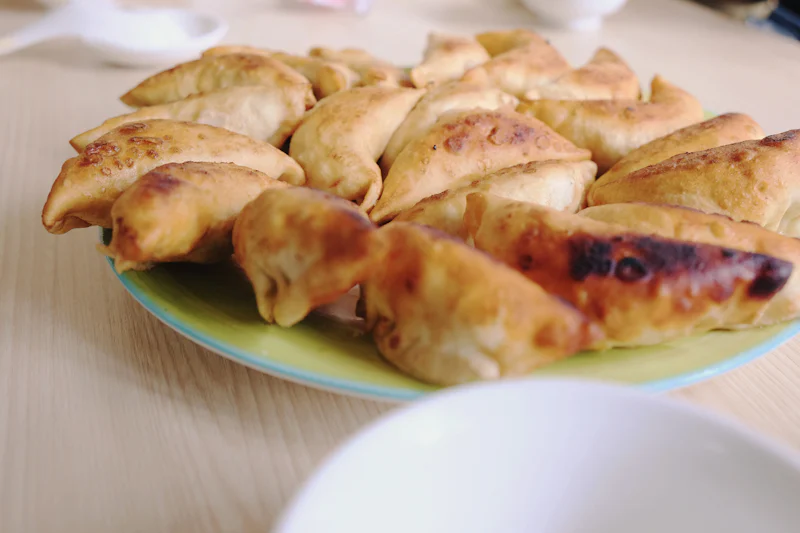
Chopstick etiquette is perhaps the most visible aspect of table manners. Never stick your chopsticks vertically into a bowl of rice, as this visually mimics incense sticks burned for the deceased. When not in use, place your chopsticks on the provided rest or horizontally across the edge of your bowl. Avoid pointing at people with your chopsticks and try not to hover over dishes while deciding what to take. If you are using a communal dish, use the designated serving utensils rather than your personal chopsticks to move food from the lazy susan to your plate.
The Etiquette of Closing the Meal
As the meal draws to a close, you will find that the host often insists on paying. In professional contexts, the host almost always covers the bill. Do not attempt to split the check, as this can cause the host to 'lose face' by suggesting they cannot afford the meal. A simple, sincere expression of gratitude—'xiexie ni de zhaodai' (thank you for your hospitality)—is the most appropriate response. Do not rush to leave immediately after the last bite; lingering for 15-20 minutes over tea or fruit is customary to show that you enjoyed the company as much as the food.
Navigating these social nuances becomes second nature over time. The goal is not to perform perfectly, but to show genuine interest in the culture and a willingness to participate in local traditions. By being observant and humble, you position yourself as a respectful guest who values the relationship over the meal itself. What specific dining situation in China has been the most challenging for you to navigate so far?
Quick Takeaways:
- Keep your glass rim lower than the senior guest during toasts
- Never stick chopsticks vertically into rice bowls
- Let the host handle ordering and bill payment
- Use designated serving utensils for shared dishes
- Show appreciation by lingering after the meal concludes
Culture #diningetiquette #china
