Navigating the cultural differences in Chinese school etiquette requires shifting your perspective from Western individualistic standards toward a collective, respect-driven educational environment. In the Chinese public school system, the relationship between students, teachers, and parents is structured around a deep sense of hierarchy and duty. Understanding these expectations is the most effective way to ensure your child integrates successfully and avoids common friction points that arise when international norms clash with local practices.
Respecting the Teacher-Student Dynamic
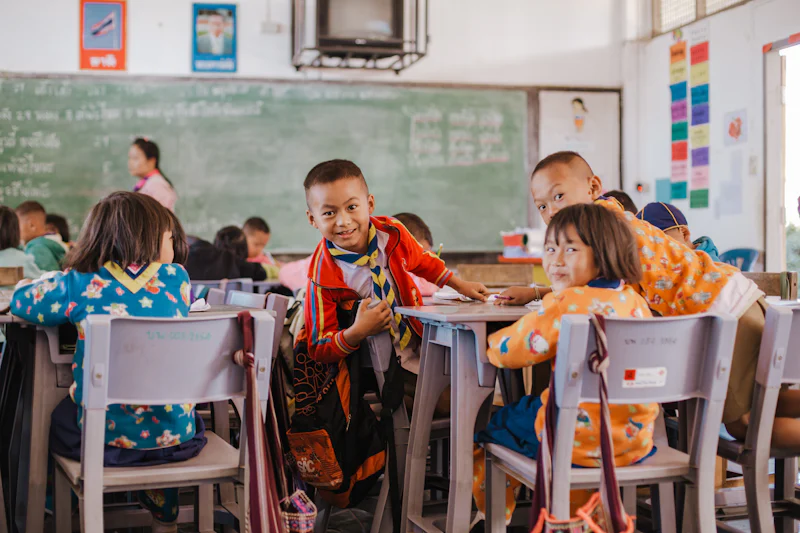
In China, the teacher occupies a role of high authority, often referred to as 老师 (Lǎoshī). Unlike Western classrooms that emphasize critical debate or equality, the Chinese classroom prioritizes discipline and listening. Students are expected to stand when answering questions and refrain from interrupting. If you need to communicate with a teacher, avoid direct confrontation. Use the 微信 (WeChat) group established by the class teacher to ask polite, concise questions rather than calling them at home. The key is showing that you trust their professional judgment and support their authority.
Understanding Parenting Culture and Expectations
Parenting culture in China is highly involved in the academic process. Schools expect parents to monitor homework, sign daily notebooks, and ensure students are prepared for assessments. Do not interpret this as micromanagement; it is viewed as a vital partnership in the child's academic success. Many schools use apps like 钉钉 (DingTalk) for announcements, assignment tracking, and monitoring progress. Check these tools daily. Neglecting these digital requirements can cause your child to fall behind in the eyes of the staff, as consistent homework completion is a metric for parental commitment.
Mastering School Communication Norms
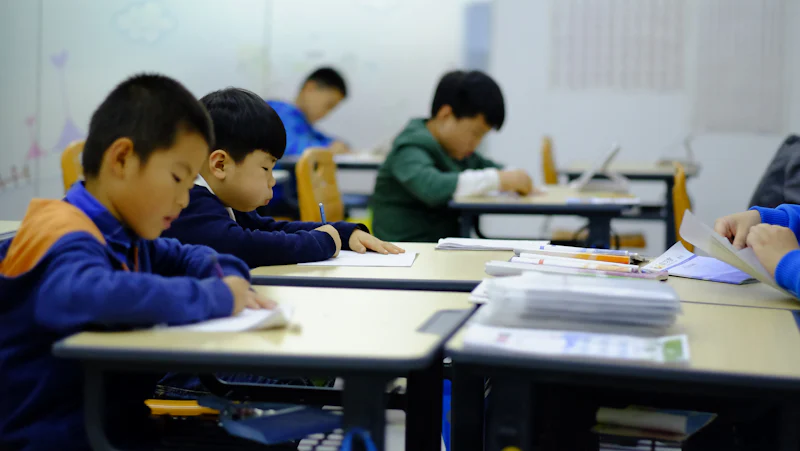
When school expectations China-wide prioritize collective harmony, public complaints are generally discouraged. If you have concerns about your child’s learning environment or specific school policies, always request a private, face-to-face meeting. During these discussions, maintain a calm and cooperative tone. It is useful to present your concerns as questions regarding how you can better support the school’s goals at home. Framing your inquiries in this way acknowledges the school’s position while allowing you to address issues effectively without causing the teacher to lose face, or 面子 (miànzi).
Managing Academic Pressure and Extracurriculars
Primary education in China is rigorous, often requiring long hours of study. Be prepared for a focus on rote memorization and high-stakes testing, starting from a young age. Rather than opposing the workload, focus on balancing it with physical activity. Understand that after-school activities or 补习班 (bǔxíbān - tutoring classes) are the norm rather than the exception. If you choose to opt out of the intense evening schedule, communicate this clearly and respectfully to the head teacher to ensure they understand your family's educational priorities.
Building a successful experience in a Chinese school is about viewing the school-parent partnership as a formal, collaborative alliance rather than a service-provider relationship.
What is the most surprising cultural difference you have encountered while interacting with your child’s school staff in China?
Quick Takeaways:
- Always communicate with teachers via official channels like WeChat or DingTalk platforms.
- Treat teachers as high-status authority figures and avoid direct, public confrontation always.
- Review your child’s daily homework assignments and sign planners as requested by staff.
- Approach private meetings with a collaborative mindset to address concerns without causing offense.
#chineseschool #expatparenting #cultureandlang
