In China, clean-shaven faces remain the gold standard for professionalism, though perceptions are slowly evolving in creative industries. Generally, facial hair is viewed as untidy or lazy, often associated with a lack of grooming discipline. For foreign men, maintaining a neat appearance is essential when navigating local business environments where first impressions carry significant weight. While stubble or a trimmed beard might be acceptable in casual settings or international firms, adhering to a clean-shaven look is the safest strategy to avoid being perceived as unprofessional during formal meetings or in traditional Chinese corporate structures.
Historical and Cultural Context

Traditional Chinese culture has historically placed immense value on appearance as a reflection of one's character and respect for others. The concept of mianzi (face) is deeply intertwined with personal grooming. In many traditional contexts, a full beard was historically reserved for elders or figures of high wisdom, whereas a younger professional with patchy facial hair is often viewed as failing to manage their personal image. Consequently, most modern Chinese men aim for a smooth, youthful aesthetic, viewing excessive facial hair as a deviation from the societal norm of being 'polished' or zhengqi (neat and orderly).
Navigating the Chinese Workplace
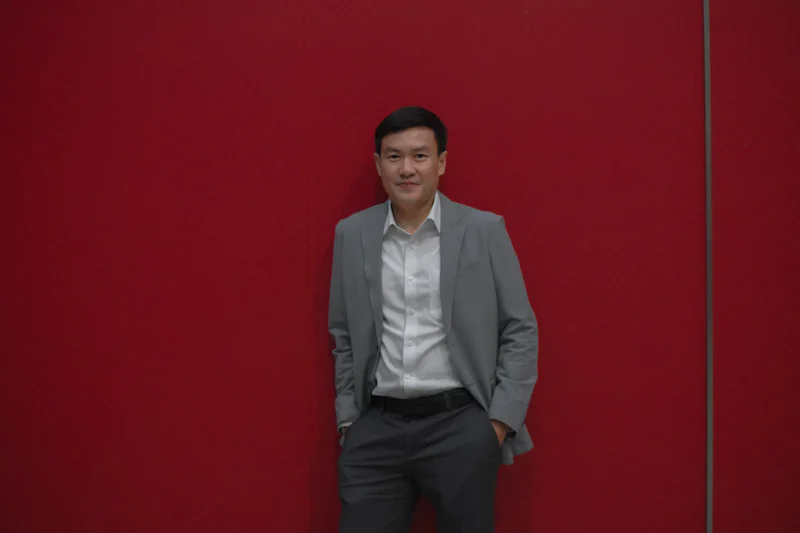
In most domestic companies or state-owned enterprises, the unspoken dress code strictly favors a clean-shaven face. If you arrive at an interview or a client meeting with a thick beard, your potential colleagues may subconsciously associate it with a lack of attention to detail. If you insist on keeping facial hair for personal preference, it must be meticulously groomed. Use a high-quality trimmer to ensure the lines are sharp. However, be aware that in client-facing roles, local managers may explicitly request that you shave to align with the company's 'public image' or xingxiang (corporate profile). Always observe your direct supervisor; if they are clean-shaven, it is a strong indicator that you should follow suit.
Distinguishing Between Industries
There is a notable divide between traditional sectors and modern, globalized industries. In technology, creative agencies, or fashion, individual expression is more tolerated. You might see younger Chinese professionals in these sectors experimenting with light stubble or stylized beards. If you work in these fields, you have more leeway to maintain facial hair. Nevertheless, regardless of your industry, the rule remains: if it is messy, it is viewed negatively. If you have a mustache or beard, ensure it is kept short and symmetrical. Using tools like a tixudao (razor) every morning to clean up the neck area is a practical habit that signals you are aware of local expectations even if you choose to keep your beard.
Practical Grooming Tips for Expats
For those who prefer to keep their facial hair, the key is intentionality. A patchy beard is almost universally frowned upon. If your genetics do not allow for a full, thick beard, it is far better to opt for a clean-shaven look. Furthermore, keep in mind that many professional networking events are formal. In such settings, being the only person with facial hair can make you stand out in a way that may distract from your professional qualifications. If you are attending an important event, such as a major conference or a deal negotiation, it is advisable to shave to avoid any unnecessary friction in your business relationships.
Ultimately, while your grooming choices are yours to make, aligning your appearance with the local preference for a clean-shaven look significantly reduces the risk of creating unintended professional barriers. How have your colleagues or clients in China responded when you have experimented with changes to your facial hair?
