Daily life in China for an expat is defined by a paradox of extreme convenience and periodic friction, where high-tech infrastructure simplifies basic chores while cultural nuances require constant active adaptation. While the speed of digital services transforms your daily routine into a seamless experience, successfully navigating life here depends less on your language proficiency and more on your ability to embrace the local rhythm of life. It is neither a utopia nor a struggle, but a fast-paced environment that rewards those who remain flexible and willing to learn how systems function on the ground.
The Digital Ecosystem Is Essential
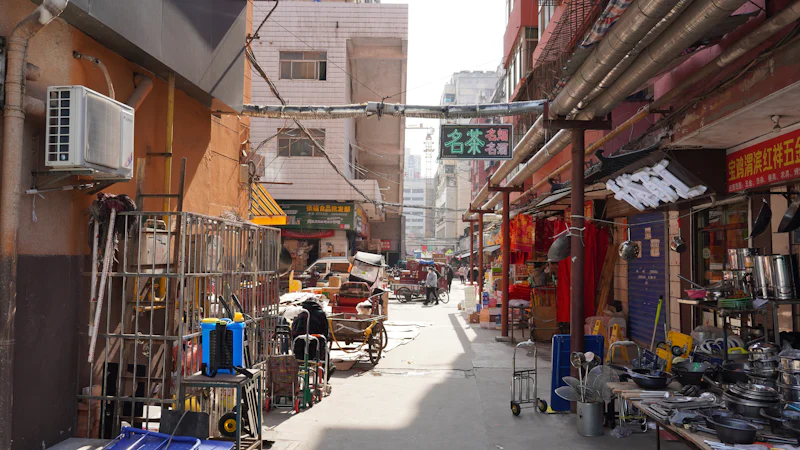
Your life will revolve around a few core mobile applications. You cannot exist effectively without 支付宝 (Alipay) and 微信 (WeChat). These platforms handle everything from paying for street food to booking high-speed trains via the 铁路12306 (12306 Railway) app. The primary pitfall for newcomers is failing to verify these accounts with a passport early on. Spend your first week getting your bank card linked to these apps, as many smaller vendors no longer accept physical cash. Without these tools, you will find yourself excluded from the basic economy.
Infrastructure and Urban Mobility
Urban planning in major Chinese cities is remarkably efficient, but it requires adjusting your concept of personal space. Public transport is world-class, with subway networks in cities like Shenzhen or Shanghai expanding almost annually. You will likely rely on 滴滴出行 (Didi Chuxing), the primary ride-hailing service, which integrates directly into your payment apps. A common point of cultural adjustment is the sheer density of people; peak hour traffic and crowded malls are constants. Acceptance of these crowds is the first step toward reducing daily stress.

Pros and Cons of Living Here
The main advantage of living in China is the safety and the sheer speed of services; a grocery delivery can arrive at your door in under 30 minutes via 美团 (Meituan). However, the downside is the 'digital wall' that separates daily life from the rest of the world, making VPNs a constant requirement for those who rely on international software. Furthermore, you will face a persistent 'adjustment tax'—the energy spent navigating administrative tasks, like updating your 住宿登记表 (Registration Form of Temporary Residence) at the local police station whenever you move apartments or return from international travel.
Social Adaptation and Language
While many people in tier-one cities speak English, relying on it will limit your experience. You do not need to be fluent, but learning basic functional phrases is vital for small interactions. Apps like Pleco are indispensable for translating menus and signs on the go. Many expats watch expat life China videos to get a sense of the culture, but remember that the social reality of living in a residential compound is often quieter and more community-focused than viral videos suggest. Engaging with local colleagues or neighbors often reveals that the social barriers are much lower than they initially appear.
Learning to navigate the intersection of high-tech efficiency and traditional social norms is the key to thriving as an expat in China. What is the one daily challenge you found most difficult to overcome during your first month here?
Quick Takeaways:
- Verify your passport on Alipay and WeChat immediately upon arrival in the country.
- Link a local bank account to your payment apps for seamless daily transactions.
- Register your temporary residence at the local police station within 24 hours.
- Use the Didi and Meituan apps to handle transportation and food delivery needs.
#expatchina #lifeinchina #culturaladjustment
