Facial hair is relatively rare among men in China due to a combination of genetic predispositions and deeply rooted cultural standards that prioritize clean-shaven appearances as a sign of professionalism and youthful vitality. While the biological reality is that many East Asian men experience thinner or patchier beard growth compared to other ethnic groups, the social pressure to maintain a groomed look remains the primary driver behind current facial hair trends in China. In professional and corporate environments across the country, a smooth, hairless chin is widely perceived as the standard for maturity and respectability.
The Cultural Weight of Grooming

In traditional Chinese culture, facial hair has historically held conflicting meanings. While ancient depictions of scholars or warriors often featured carefully groomed mustaches and goatees as a sign of wisdom, modern aesthetics have shifted toward the concept of qingchun (youthfulness) and ganjing (cleanliness/neatness). This focus on a polished look extends into the workplace, where many companies—particularly in sectors like finance, law, or public-facing service—expect employees to be clean-shaven. Failing to trim regular stubble is often interpreted as a lack of personal discipline or attention to detail rather than a stylistic choice.
Genetics and Aesthetic Perception
Biological factors play a significant role in grooming culture in China. Many men of East Asian descent possess fewer hair follicles on their faces and lower levels of enzymes that convert testosterone into dihydrotestosterone, which stimulates beard growth. Consequently, attempting to grow a full beard often results in sparse or uneven coverage. Because a patchy beard is frequently viewed as unkempt or "messy" (luan), the cultural consensus favors the "clean" look. Even among younger generations experimenting with style, the preference leans toward clean skin or, at most, very faint, well-maintained stubble achieved through regular grooming with tools like the tixudao (electric shaver).
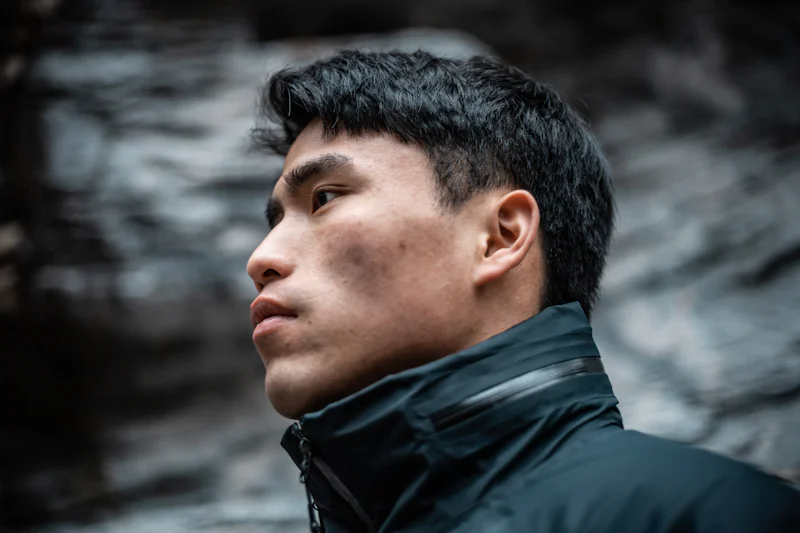
Professionalism and Social Norms
For foreign men living in China, navigating these standards involves understanding that a beard can sometimes be read as a sign of informality. In casual settings, such as creative industries or arts-focused communities in cities like Shanghai or Chengdu, facial hair is becoming more accepted and even fashionable. However, in formal business meetings or high-stakes interactions, presenting yourself with a clean-shaven face is often the safest bet to signal professional alignment. If you do choose to keep a beard, the local expectation is that it must be meticulously maintained—shaping the edges and keeping the length consistent—to ensure it does not cross the line from a "style" to "neglected."
Navigating Grooming Trends
If you find yourself struggling to maintain a beard in the Chinese climate, consider that local grooming services are highly sophisticated. Barbershops often specialize in clean-cut, short styles that complement an East Asian aesthetic. You will find that most department stores and shopping apps like Taobao carry an exhaustive range of grooming products, specifically focusing on skin health rather than hair maintenance. Prioritizing skin hydration and exfoliation is often emphasized more in Chinese male grooming than maintaining dense facial hair, reflecting the broader societal focus on maintaining a bright and healthy complexion.
Modern Chinese grooming standards prioritize a clean, professional aesthetic that is heavily influenced by both genetic reality and the societal emphasis on personal discipline.
Have you noticed a shift in how facial hair is perceived among your Chinese colleagues compared to your home country?
Quick Takeaways:
- Clean-shaven faces remain the professional standard in most Chinese corporate environments.
- Genetic factors often lead to thinner beard growth among many East Asian men.
- A well-maintained beard is increasingly acceptable in creative and casual social circles.
- Local grooming culture places a high priority on skin health and cleanliness.
#chinaculture #malegrooming #livinginchina
