Planning to visit China after the Canton Fair is a strategic move for professionals looking to bypass the crowds and negotiate more effectively with suppliers. While many business travelers restrict their stay to the dates of the exhibition, extending your trip into the post-fair period allows for productive factory visits and deeper networking when manufacturers are less pressured. When securing your M visa for this business trip, ensure your stated duration covers the entire window, including potential delays, as local immigration authorities prioritize consistency between your visa invitation letter and your actual travel dates.
Optimizing Your M Visa Validity
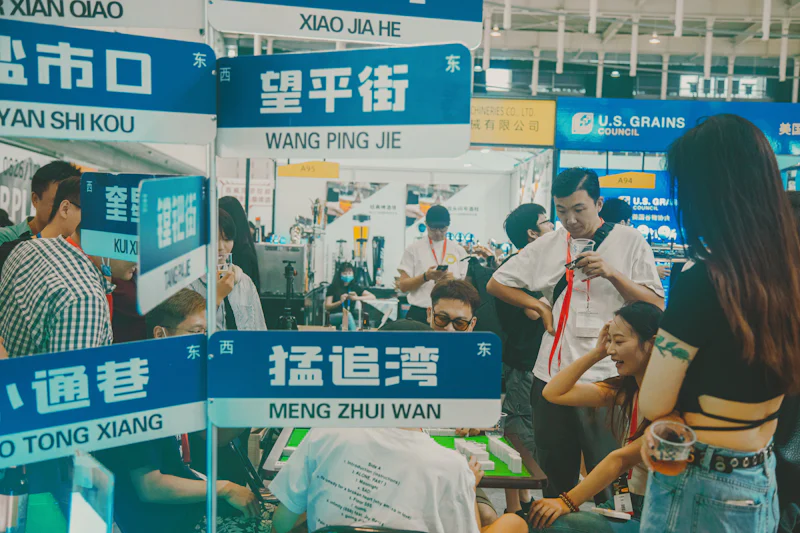
The standard M visa is often issued based on the dates provided in your official invitation letter, known as the 邀请函 (yāo qǐng hán). If you plan to extend your stay beyond the fair, ensure your host company includes a wider date range in the invitation. If you attempt to stay in China longer than your visa allows, you risk severe penalties. Check your visa stamp carefully upon entry, as the duration of stay, or 停留期 (tíng liú qī), is the definitive number of days you are permitted to remain in the country, which may differ from the visa validity period printed on the document.
Coordinating Factory Visits During Off-Peak Windows
Visiting factories immediately after the Canton Fair is significantly more efficient than attending during the event. During the fair, factory managers are preoccupied with booth management and high-volume traffic. In the two weeks following the event, these teams return to their offices, often offering more time for site inspections and quality control audits. To coordinate this, use messaging apps like 微信 (WeChat) to solidify your appointments while still at the fair. Sending a follow-up message on the final day of the fair ensures you remain on their priority list for post-event meetings.
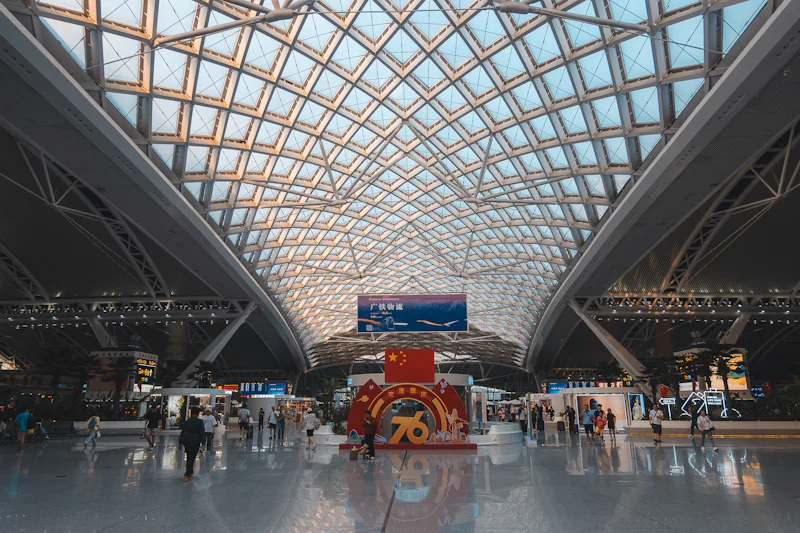
Managing Logistics Outside Exhibition Hubs
Travel logistics change significantly once you move away from the Canton Fair venues in Guangzhou. Major business hubs like Shenzhen or Shanghai are well-connected by high-speed rail, but ensure your travel documents are always accessible for ticket booking. Use the 铁路12306 (Railway 12306) app for all intercity transit, as it remains the most reliable tool for scheduling. Furthermore, keep a digital copy of your business registration documents handy, as hotels in secondary cities may perform more stringent checks on foreign business travelers compared to the high-traffic hotels near the exhibition center.
Navigating Cultural Nuances in Post-Fair Meetings
Business culture in China often shifts from the formal environment of a trade fair to the more relaxed, relationship-building atmosphere of a factory office. It is customary to bring small, professional gifts from your home country to show appreciation for the time granted to you after the busy season. Ensure your conversations remain professional yet personable, as the 关系 (guān xì) or interpersonal relationships you build during these quiet meetings are often more valuable for long-term supply chain stability than the initial negotiations held at the fair booth.
Securing your travel plans for a post-fair visit requires early coordination with your partners and strict adherence to the duration of stay granted on your visa. Which provinces or industrial hubs are you planning to visit for your post-fair supplier meetings?
Quick Takeaways:
- Ensure your invitation letter covers the full duration of your extended business travel.
- Schedule factory visits for the two weeks following the fair for better availability.
- Use the Railway 12306 app for reliable intercity travel scheduling across Chinese cities.
- Always keep digital and physical copies of your business invitation and registration documents.
#visatips #chinabusiness #cantonfair
