If you want to understand the cultural roots of the country you are working in, the best movies about Ancient China provide a visual gateway into the values and philosophies that still shape modern life. Rather than looking at these films strictly as textbooks, view them as an exploration of the ren (仁 - benevolence) and li (礼 - etiquette) that underpin Chinese social structure. By selecting films that balance historical aesthetics with cinematic storytelling, you gain a better appreciation for the traditions your colleagues and neighbors practice today.
Cinematic Epics as Historical Gateways
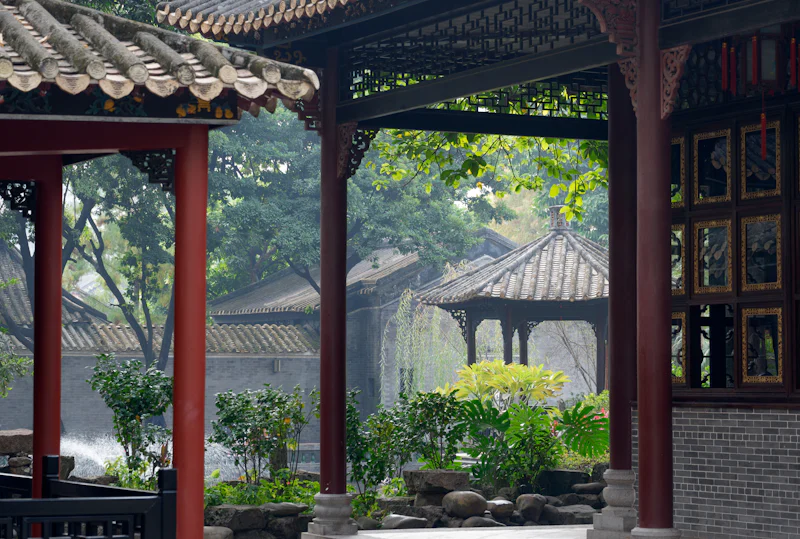
To understand the imperial scale of Chinese history, start with Zhang Yimou’s Hero (英雄). This film captures the unification of China under the Qin Dynasty, highlighting the obsession with order and central authority that remains a central pillar of Chinese governance today. If you want to dive deeper into the aesthetics of the Tang Dynasty, House of Flying Daggers (十面埋伏) offers a stylized look at the later period of that era. For those interested in the intricacies of the royal court, the drama Empress Ki or the classic Raise the Red Lantern (大红灯笼高高挂) illustrate the rigid power dynamics and social hierarchies of feudal households, which help explain modern workplace culture in China.
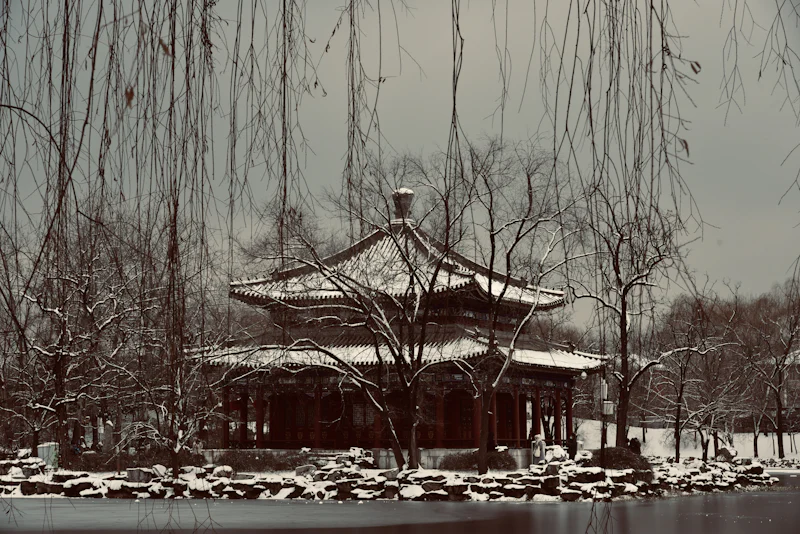
Balancing Spectacle and Historical Context
When exploring historical Chinese dramas, it is vital to distinguish between factual historical records and wuxia (武侠 - martial arts hero) fantasy. Films like Crouching Tiger, Hidden Dragon (卧虎藏龙) are masterpieces of artistic expression, but they function more as folklore than history. If you are seeking educational accuracy, look for titles labeled as zheng ju (正剧 - serious historical dramas). These series often focus on the Junzi (君子 - noble person) ideal, providing insight into the patience, strategy, and long-term planning that many Chinese business leaders value. Watching these with subtitles on platforms like Tencent Video (腾讯视频) can also help improve your vocabulary regarding traditional honorifics and formal address.
Cultural Insights for the Modern Expat
Understanding the historical weight behind current social norms is a professional asset. Many of the themes found in medieval Chinese cinema—such as the importance of maintaining 'face' or mianzi (面子) and the strength of the collective over the individual—are directly applicable to your daily life in China. Viewing these films provides a non-confrontational way to ask your local colleagues about their favorite historical legends. It turns a casual movie night into a networking tool. When you recognize a reference to a character like Guan Yu (关羽) or a historical period like the Three Kingdoms (三国), you demonstrate a genuine interest in local heritage that bridges the gap between foreigner and host.
Deepening your knowledge of historical cinema allows you to better decode the subtle communication styles and cultural expectations you encounter in your Chinese office environment. Which historical Chinese movie or drama have you seen that helped you better understand a specific local social custom?
Quick Takeaways:
- Use historical dramas to understand the roots of mianzi and social hierarchy.
- Distinguish between wuxia fantasy films and zheng ju serious historical period dramas.
- Utilize subtitles on Tencent Video to practice your formal Chinese language skills.
- Engage your Chinese colleagues by asking them about classic historical heroes and legends.
#chineseculture #historicalmovies #expatchina
