Facial hair is less common in China due to a historical and cultural emphasis on a clean-shaven appearance, which has long been equated with youth, professionalism, and social refinement. While Western beauty standards often link beards to masculinity or ruggedness, traditional Chinese aesthetic values have prioritized skin clarity and smooth facial features. In modern China, the preference for a hairless face remains deeply embedded in corporate and formal social environments, though this is gradually evolving as younger generations experiment with broader global fashion influences and varied grooming styles in more creative sectors.
The Historical Roots of Grooming

Historically, the concept of a clean-shaven look was tied to the Confucian emphasis on self-cultivation and appearance. While ancient sages and historical figures were often depicted with long, thin beards to symbolize wisdom and seniority, the average male aesthetic prioritized a neat and disciplined appearance. Today, this translates to the concept of mianzi (face), where maintaining a well-groomed, youthful, and tidy appearance is seen as a sign of respect toward others and a reflection of one's social status. A clean-shaven face is often perceived as more approachable and less aggressive in a business setting.
Professional Norms and Corporate Expectations
In many Chinese workplaces, particularly in traditional sectors like banking, government, or large state-owned enterprises, there is an implicit expectation of being clean-shaven. A sharp, shaved look is associated with being 'prepared' and 'professional.' For those working in offices, an unkempt beard can be perceived as laziness or a lack of attention to detail. If you are preparing for a job interview, it is generally recommended to be clean-shaven unless your specific industry—such as tech startups or creative agencies—openly embraces a more relaxed dress code. Even in these casual spaces, a 'scruffy' look is rarely seen; if facial hair is present, it is almost always meticulously trimmed or styled.
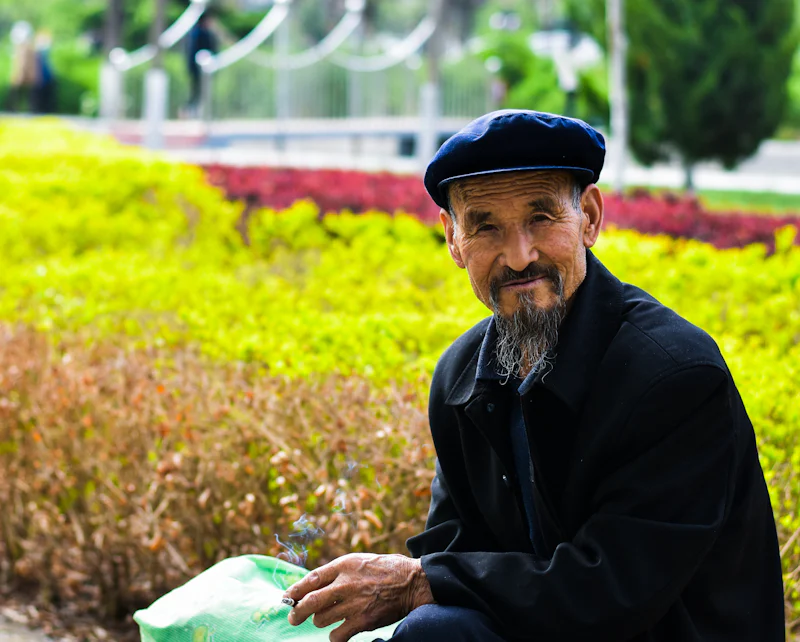
Shifting Modern Fashion Trends
Despite the traditional preference for smooth skin, the younger generation, often influenced by global media and doyin (a term referencing influencer culture and social media trends), is becoming more experimental. We are seeing a rise in the appreciation for subtle, well-maintained stubble among fashion-forward men in cities like Shanghai and Chengdu. This shift is not about discarding the clean-shaven ideal but about diversifying what is considered 'modern.' Many young men now use advanced grooming tools or visit high-end barbershops—often found via apps like Meituan (a popular service platform)—to achieve a precise, intentionally styled look rather than letting hair grow out naturally.
Practical Considerations for Expats
If you choose to maintain a beard in China, the key is consistency. A wild or unkempt beard will stand out significantly and may lead to unwanted attention or perceived lack of professionalism. Investing in quality trimmers is essential, as the local market is heavily dominated by products designed for the clean-shaven aesthetic, meaning specialized beard oils or specific grooming products for thick facial hair can sometimes be harder to find in standard convenience stores. You will likely have more success sourcing these products through cross-border e-commerce platforms like Tmall Global.
Ultimately, grooming in China is less about strict rules and more about understanding the social signaling attached to a tidy appearance. Have you noticed a difference in how facial hair is perceived between the major Tier-1 cities and smaller, more traditional cities?
Quick Takeaways:
- Clean-shaven faces are generally preferred in professional and formal business settings in China.
- The traditional focus on mianzi emphasizes a tidy, youthful, and well-maintained facial appearance.
- Creative and tech industries are increasingly accepting of well-groomed, styled facial hair trends.
- Use specialized apps or online retailers to find grooming products for beard maintenance.
#facialhair #chineseculture #mensgrooming
