Moving to Yunnan, China, requires shifting your expectations from the high-speed convenience of Tier-1 cities like Shanghai to a lifestyle defined by altitude, cultural diversity, and a significantly slower, more rhythmic pace of life. While the province offers breathtaking landscapes and a lower cost of living, success depends on understanding that infrastructure, medical access, and social customs differ drastically from the coastal metropolises most expats are familiar with. You are essentially trading international convenience for a deep, authentic connection to one of China’s most biodiverse and ethnically rich regions.
Navigating the Climate and Altitude
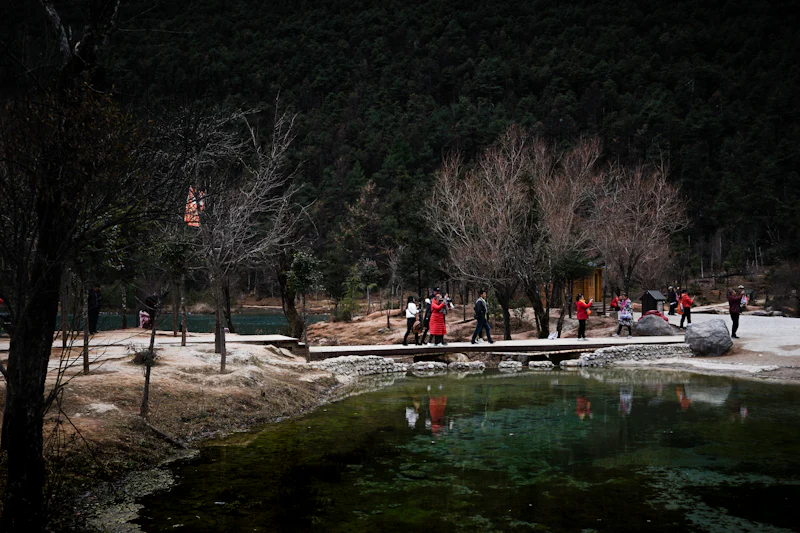
Yunnan is known as the province of eternal spring, but this is a generalization that masks extreme variations. Cities like Kunming enjoy mild weather year-round, but regions like Shangri-La or Deqen sit at elevations exceeding 3,000 meters. If you are moving to higher altitudes, expect your body to take at least two weeks to acclimate. Invest in a humidifier and high-quality moisturizer, as the air is notoriously dry. Additionally, most homes in Yunnan lack central heating. During winter months, temperatures inside can drop to 5°C, making the purchase of a portable heater or electric blanket a non-negotiable requirement for a comfortable living situation.
Establishing Daily Logistics
Digital life remains largely the same, but the reliance on physical proximity increases. Ensure your 支付宝 (Alipay) and 微信支付 (WeChat Pay) accounts are fully verified, but carry cash for local 菜市场 (wet markets) in rural towns where mobile payments might occasionally face connectivity issues. For transport, remember that high-speed rail connects major hubs like Kunming to Dali and Lijiang, but the 'last mile' of your journey will often involve local buses or ride-hailing apps like 滴滴 (Didi). When signing a lease, ensure you are in a location with reliable 5G coverage, as many smaller towns still rely on older fiber-optic infrastructure that can be prone to outages during the rainy season.
Cultural Etiquette and Local Customs
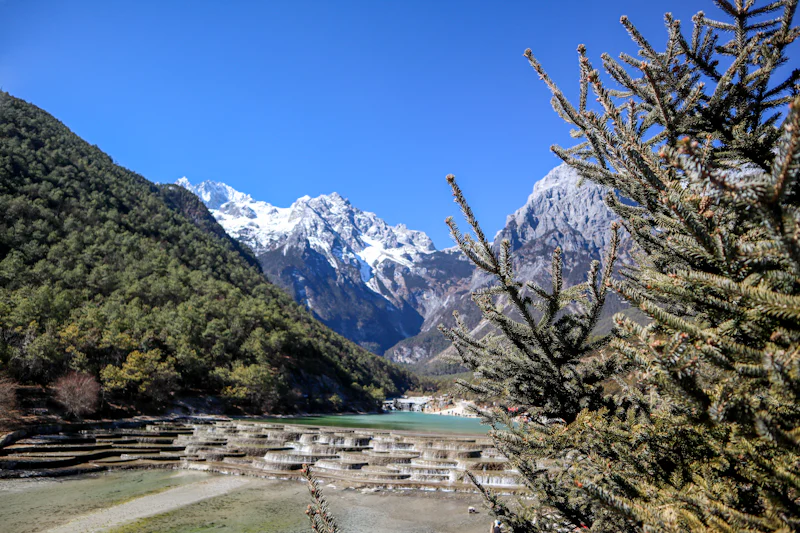
Yunnan is home to 25 ethnic minority groups, each with distinct customs. When living in towns dominated by minority cultures, such as those of the 傣族 (Dai people) or 纳西族 (Naxi people), practicing cultural sensitivity is vital. Avoid taking photos of religious sites or ceremonies without explicit permission. Learn basic phrases in the local dialect if possible, as it demonstrates respect for the region's heritage. Furthermore, the local tea culture is central to social life; if invited to a tea ceremony, do not rush the process, as this is the primary way business and social bonds are solidified in the province.
Accessing Essential Services
Healthcare in Yunnan is centralized in Kunming. If you move to a smaller prefectural city, research the proximity to a 'Grade A' hospital—the top tier of the Chinese medical system. For serious conditions, expats often fly back to Beijing or Shanghai, so maintaining a comprehensive international health insurance policy that covers medical evacuation is essential. Lastly, keep your 外国人工作许可证 (Foreigner’s Work Permit) and 居住证 (Residence Permit) digitized on your phone, as local police stations in remote areas may require a physical check of your registration paperwork more frequently than in larger cities.
Moving to Yunnan is a transition from a world of efficiency to a world of engagement where your ability to adapt to local customs dictates the quality of your experience. What is the biggest hurdle you anticipate facing when transitioning from a major metropolitan city to a smaller, more regional province like Yunnan?
Quick Takeaways:
- Prepare for drastic temperature fluctuations and lack of central heating during winter months.
- Keep physical copies of your passport and visa registration for rural travel encounters.
- Verify proximity to a Grade A hospital for your long-term medical safety requirements.
- Adapt your social pace to the local tea culture to build stronger community connections.
#yunnanlife #expattips #movingtochina
