Linking an international bank card to 支付宝 (Alipay) is the most effective way for new arrivals to navigate China’s cashless economy without needing a local Chinese bank account. By navigating to the ‘Bank Cards’ section within your profile, you can securely input your Visa or Mastercard details to enable seamless payments at millions of merchants. While this process is straightforward, success relies on completing the identity verification steps accurately to ensure your transactions are not flagged or restricted by international banking security protocols.
Setting Up Your International Card
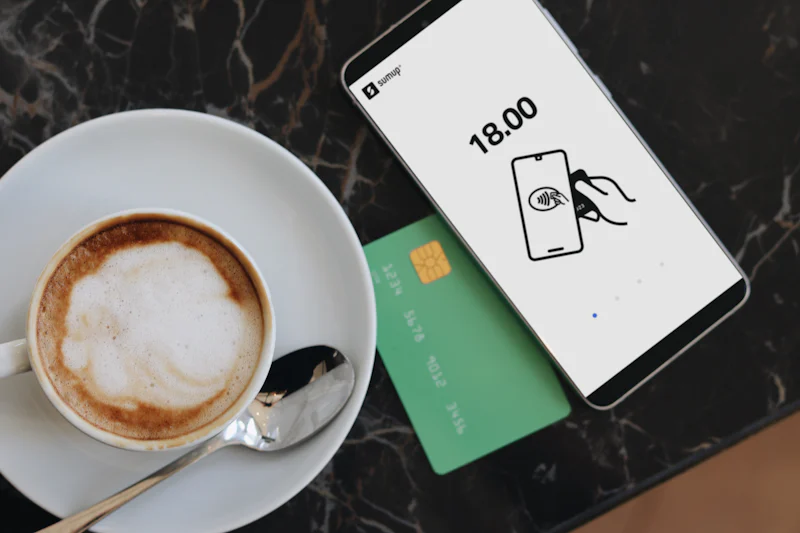
To begin, open the Alipay app and select ‘Account’ followed by ‘Bank Cards’. Tap the ‘+’ icon to add a card. You will be prompted to enter your card number, expiration date, and CVV code. Alipay will then verify your identity; ensure your name entered in the app matches the name on your passport exactly. You may receive a verification code from your home bank, which acts as a secondary layer of security for the linkage. Once confirmed, your international card will appear in your digital wallet, ready for use at most major retail outlets and convenience stores.
Completing Mandatory Identity Verification
Before you can make significant payments, you must complete the 实名认证 (Real-name authentication) process. This involves uploading a clear photo of your passport information page and sometimes completing a facial recognition scan. If you fail to verify your identity, the app will restrict your transaction limits, often preventing payments over 200 RMB. It is essential to use a stable internet connection during this process, as facial verification is sensitive to lighting and movement. Ensure the 护照 (Passport) number is entered exactly as it appears in your travel document to avoid system rejections.

Troubleshooting Common Payment Errors
New users often encounter ‘payment failed’ errors, which are frequently caused by bank-side security blocks. If a transaction is declined, contact your home bank to confirm that international e-commerce and digital wallet transactions are enabled for your card. Additionally, note that while international cards work at most stores, they are not universally accepted by every small vendor or niche platform. Always keep a backup payment method, such as a secondary card or a digital balance if you have access to one. If an error persists, look for the ‘Help’ or ‘Customer Service’ icon within the Alipay ‘Me’ tab to initiate a chat with a support agent who can identify specific transaction codes.
Optimizing Your Transaction Limits
Understand that international cards are subject to different fee structures and limits compared to domestic Chinese bank accounts. While standard transactions are usually free, some merchants may charge a small service fee for processing international credit cards on transactions exceeding 200 RMB. Keep track of your monthly spending limits, which are typically displayed in the ‘Limits’ section of your bank card settings within the app. By staying aware of these thresholds, you can manage your daily expenses without encountering unexpected blocks during your stay.
Mastering digital payments is the single most important step for adapting to the convenient, paperless lifestyle currently standard across all major Chinese cities.
Have you encountered specific merchant categories where international cards were not accepted during your time in China?
Quick Takeaways:
- Verify your passport identity to lift transaction limits and ensure full app functionality.
- Contact your home bank to authorize international digital wallet transactions before your trip.
- Keep your passport handy for mandatory real-name authentication during the initial setup process.
- Expect potential transaction fees when using international cards for purchases over 200 RMB.
#alipay #chinatravel #livinginchina
