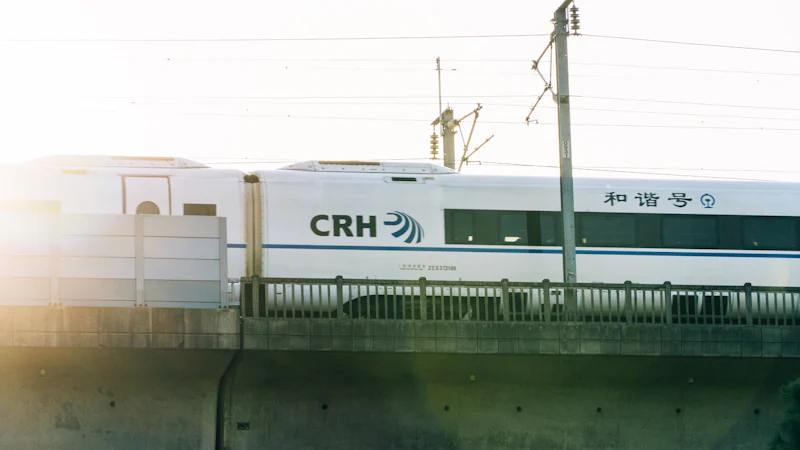
Traveling around China by train is not only incredibly easy, but it is also the most efficient way to navigate the country’s vast landscape. China boasts the world’s largest high-speed rail network, connecting major hubs like Beijing, Shanghai, and Guangzhou with precision and comfort. While the system was once daunting for non-Chinese speakers, digital integration has made it accessible to everyone. The primary requirement for success is understanding that your passport serves as your digital ticket, making it essential to link your travel documents correctly to the booking platforms before you reach the station gate.
Mastering the 12306 Ecosystem
The official railway ticketing platform is 铁路12306 (Railway 12306). For many years, foreigners struggled to use this, but the app now features a fully functional English interface. To get started, you must register your account and complete the identity verification process using your passport information. Once your identity is verified, you can book tickets directly without relying on third-party agencies that charge service fees. Remember that you can book tickets up to 15 days in advance; during public holidays, these tickets sell out in minutes, so set a calendar reminder.
Using Third-Party Booking Tools
If you find the official 12306 app difficult to navigate, many foreigners prefer using apps like 支付宝 (Alipay) or 携程 (Trip.com). These platforms provide a more intuitive user interface and offer helpful features like seat selection maps and automated ticket notifications. If you use 支付宝, look for the 'Train Tickets' mini-program. These platforms essentially bridge the gap to the 12306 backend, ensuring your passport is linked, but they offer better customer service support in English should you need to cancel or modify a trip.
Navigating the Station Gate
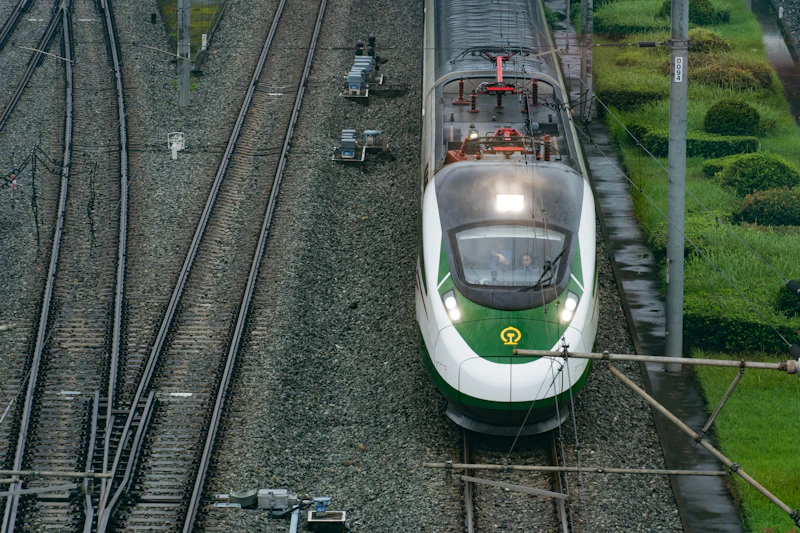
China’s high-speed rail stations are massive, often functioning like modern airports. You must arrive at least 60 minutes before your departure time to account for security checks and walking to the correct boarding gate. You do not need to print a paper ticket; your passport is scanned at the automated turnstiles. If you have any trouble with the automated gates, head to the 'Manual Gate' where staff will verify your physical passport. Keep your passport in an easily accessible pocket, as you will need it for security screening, turnstile entry, and occasionally for random checks by train conductors.
Choosing the Right Seat Class
High-speed trains offer three main classes: Second Class, First Class, and Business Class. Second Class is the most common and is perfectly comfortable for most travelers, featuring plenty of legroom and power outlets. First Class offers more spacious seating and a quieter environment, which is worth the upgrade for long-haul journeys over four hours. Business Class is significantly more expensive but provides lounge access and lie-flat seats. Most trains also include a dining car, but it is standard practice for locals to bring their own snacks or buy pre-packaged meals at the station to avoid disappointment.
Success in Chinese rail travel relies entirely on ensuring your passport details are correctly verified within the official booking system long before you head to the station. What is the most confusing part you have encountered when trying to book a train ticket in China?
Quick Takeaways:
- Verify your passport on the 12306 app at least one week before travel.
- Arrive at the station 60 minutes early to handle security and gate processes.
- Use the Trip.com or Alipay apps for a more user-friendly English experience.
- Always carry your physical passport as it is your mandatory boarding pass.
#chinatravel #highspeedrail #trains
