The expat life in Qingdao offers a balanced alternative to tier-1 cities by combining a lower cost of living with a relaxed coastal lifestyle that keeps professional stress in check. While Beijing and Shanghai often dominate the conversation for career advancement, Qingdao serves as a magnet for educators and business professionals who prioritize quality of life, seaside air, and a tightly-knit international community over the relentless pace of China’s massive metropolises.
The Coastal Advantage
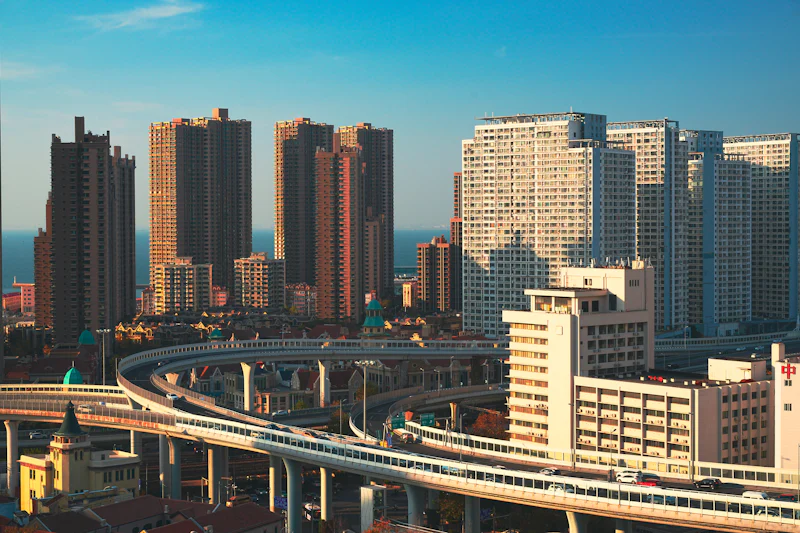
Moving to Qingdao guide protocols suggest focusing on the city’s unique geography. Unlike the landlocked sprawl of Beijing, the geography here forces a slower, more deliberate lifestyle. Expats often gather in the areas surrounding the May Fourth Square (五四广场 - Wǔsì Guǎngchǎng) or the older, European-influenced streets of Badaguan. Because the city is geographically elongated along the coast, travel between districts can take time, so choosing a residence near the subway lines is essential. Use the 高德地图 (Gaode Maps) app to verify your commute, as public transit here is reliable but can get crowded during summer tourism peaks.
Understanding the Foreign Community in Qingdao
The foreign community in Qingdao is smaller and more intimate than the transient expat bubbles found in Shanghai. Most expats here are either long-term teachers or professionals working in marine technology, logistics, or brewing. Networking often happens organically in cafes rather than through massive corporate mixers. Because the community is smaller, your professional reputation matters. Engaging with the community often involves local hobby groups found on 微信 (WeChat), which remains the primary tool for organizing social outings, language exchanges, and sports leagues.
Managing Qingdao Living Costs
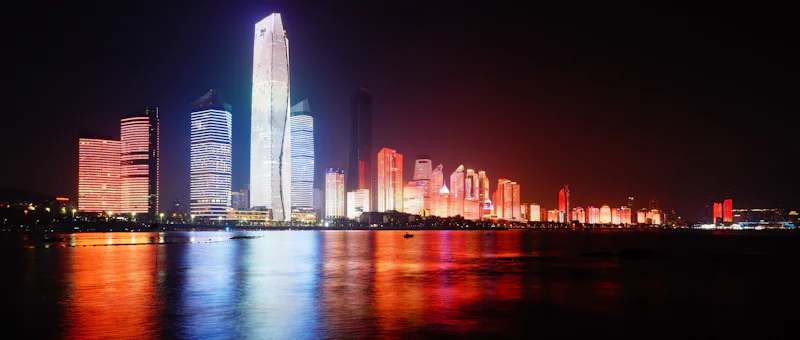
Qingdao living costs are notably lower than those in tier-1 cities, particularly regarding rent and dining. While a luxury apartment in a high-end complex might seem pricey, the average monthly rent for a two-bedroom apartment in a modern development is significantly more affordable than comparable spaces in Shanghai. Daily expenses are kept low by shopping at local wet markets for fresh seafood, which is the cornerstone of the local diet. Utilizing 支付宝 (Alipay) for utility payments and grocery shopping will streamline your budget tracking, allowing you to save more of your salary compared to peers in more expensive urban centers.
Integration and Local Interaction
While the foreign community is welcoming, the best way to thrive is to balance expat connections with local integration. Many expats find that learning even basic Mandarin helps navigate the local 农贸市场 (Nóngmào Shìchǎng - Farmers Market), where prices are non-negotiable but the variety of goods is unparalleled. If you are moving to Qingdao for a teaching position, check if your school provides housing subsidies, as this can dramatically shift your disposable income profile compared to other regions in Shandong province.
Choose your neighborhood based on your proximity to your workplace to maximize your time for enjoying the coast, as the city’s layout makes transit the primary friction point for new arrivals.
What is the most challenging aspect you have encountered when settling into a new city in China compared to your home country?
Quick Takeaways:
- Prioritize living near the subway to navigate the city's elongated coastal geography efficiently.
- Use 高德地图 (Gaode Maps) to plan your daily commute around local transit patterns.
- Leverage 微信 (WeChat) groups to find community events and build your local professional network.
- Enjoy lower rental costs by exploring modern residential areas outside the immediate city center.
#qingdaoexpat #movingtochina #expatslife
