The prevalence of clean-shaven faces in China is rooted in a blend of historical Confucian values, which viewed untrimmed hair as a sign of disrespect, and modern professional standards that equate a polished appearance with competence and cleanliness. While Western trends have introduced more variety in grooming, the prevailing social expectation in Chinese corporate and formal environments remains a smooth-faced aesthetic. This preference is less about an inability to grow facial hair and more about a cultural emphasis on neatness, youthfulness, and conformity within the workplace hierarchy.
Historical Roots and Confucian Values
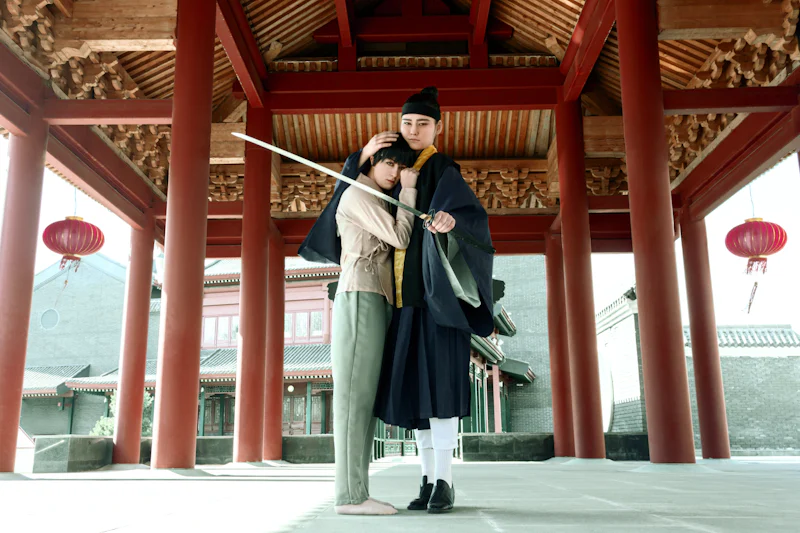
In traditional Chinese culture, the body was considered a gift from one’s parents, and preserving its integrity was a mark of filial piety. While historical figures like Guan Yu (a famous general) are often depicted with magnificent beards to symbolize wisdom and age, the general population followed strict grooming norms. During the Qing Dynasty, grooming became a tool of political and social control. In contemporary society, this has evolved into a preference for the 'clean' look. A beard is often perceived as a sign of being unkempt or 'slacker' (laji - lazy), which contrasts with the traditional ideal of being a disciplined and diligent professional.
Modern Professional Grooming Standards
In modern Chinese business culture, your appearance is often viewed as a reflection of your company's professionalism. Many industries, particularly banking, law, and high-end sales, maintain strict internal grooming policies. You will notice that many Chinese men prioritize skin care and clear skin over facial hair. The use of grooming tools like electric shavers is ubiquitous, and it is common to see men perform a 'mid-day refresh' to ensure they remain clean-shaven for afternoon meetings. If you walk into a major tech office in cities like Beijing or Shanghai, you will find that even in creative sectors, stubble is usually kept to a precise minimum, as excessive hair is frequently associated with an untidy lifestyle.

The Shift in Youth Culture
Younger generations are increasingly experimenting with 'hipster' aesthetics influenced by international media. However, this is largely localized to specific subcultures, such as art districts like 798 Art Zone in Beijing or among musicians and freelance creators. Outside of these niche bubbles, a full beard is still likely to attract questions or comments from older relatives or colleagues who may worry you are going through a difficult period or lack the motivation to care for your appearance. If you choose to grow a beard, expect that it will be a conversation starter—or a potential point of confusion—in traditional professional settings.
Practical Tips for Expats
If you choose to maintain facial hair in China, keep it meticulously trimmed. A 'scruffy' look is almost universally interpreted as poor hygiene. Invest in a high-quality trimmer with specific length guards to ensure your facial hair looks intentional rather than accidental. If you are preparing for a job interview, it is standard practice to be completely clean-shaven to avoid any potential bias from recruiters who may hold more conservative views on grooming. Being 'neat' is the most valued trait in the Chinese professional landscape, regardless of your personal style choices.
Ultimately, while facial hair is becoming more visible, maintaining a clean-shaven appearance is still the safest way to signal respect and professionalism in the majority of Chinese social and workplace environments. Have you personally experienced any different reactions from colleagues or clients regarding your grooming choices since moving to China?
Quick Takeaways:
- Clean-shaven faces are preferred to signal discipline and professional status in most offices.
- Historical Confucian ideals prioritize a tidy appearance as a form of social respect.
- Use high-quality trimmers to ensure your beard looks groomed rather than untidy.
- Expect a clean-shaven face for high-stakes interviews to avoid cultural misunderstandings.
#cultureandlang #expatchina #grooming
