Whether there are 'too many' expats in big cities depends entirely on your goals for your stay, as living in an expat-heavy district offers convenience while residing in local neighborhoods facilitates deeper cultural integration. The feeling of being in an 'expat bubble' in cities like Beijing, Shanghai, or Chengdu is often a matter of personal choice rather than an unavoidable reality. Choosing where to live is one of the most significant decisions you will make upon arrival, as it dictates your daily rhythm, your access to services, and your opportunities for authentic language practice.
The Convenience of Expat-Heavy Districts

Districts like Sanlitun in Beijing or Jing’an in Shanghai are often criticized for being westernized, but they offer unparalleled practical advantages. These areas feature an abundance of international grocery stores, English-speaking clinics, and diverse dining options that can lower the 'culture shock' threshold. For new arrivals or those with demanding schedules, being able to communicate in English while grabbing a coffee or navigating a medical visit via a hospital with a dedicated international ward is a major relief. Living in these zones allows you to utilize apps like 大众点评 (Dàzhòng Diǎnpíng - popular review app) with ease, as many vendors are accustomed to international clientele and provide menus or services tailored to foreign needs.
The Authenticity of Local Neighborhoods
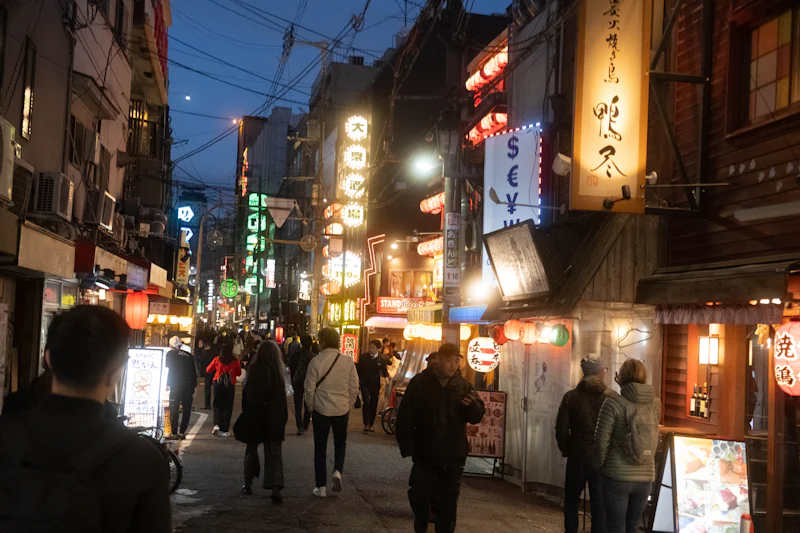
Opting for a local district, such as those found on the periphery of Chengdu’s city center or the quieter streets of Beijing’s Chaoyang district, changes your lifestyle significantly. You will find that life moves at a different pace, often centered around neighborhood markets and community parks. Living here forces you to use your Chinese language skills daily, even for simple interactions like ordering breakfast or talking to your landlord. You become a regular at the local 菜市场 (càishìchǎng - fresh produce market), where you will likely develop relationships with shopkeepers. While this path involves a steeper learning curve, it often leads to a more genuine understanding of Chinese society and a stronger sense of connection to your immediate environment.
Balancing the Two Worlds
Most long-term residents eventually find a middle ground. Many choose to live in a local community while using digital tools to bridge the gap. Utilizing 微信 (Wēixìn - WeChat) to join neighborhood groups or local community chats can help you feel included in the happenings of your district, regardless of whether you live in a high-density expat zone. The key is to manage your own exposure to 'Westernized' pockets versus authentic local settings. You can balance your life by visiting expat hubs for specific needs—like finding a specialized international food item—while keeping your residence, social life, and daily routine rooted in a Chinese-speaking environment.
Factors to Consider for Your Move
Before deciding, evaluate your priorities. If you are only in China for a year, the ease of an expat-heavy zone might prevent burnout. If you are here for the long haul, consider the 'three-year rule': many expats find that after three years, they transition from seeking comfort to seeking immersion. Look for apartments near subway lines, which provide the best of both worlds, allowing you to commute to international business hubs while living in a residential area that reflects the local culture. Research areas through local forums, and check the proximity to 地铁 (dìtiě - subway) stations, as this is the single most important factor for ease of travel in any Tier-1 city.
Ultimately, your experience is defined more by your willingness to step outside your front door and engage with your surroundings than by the density of the expat population in your chosen zip code. Do you prefer the convenience of an international community or the cultural growth that comes from living in a strictly local neighborhood?
Quick Takeaways:
- Expat-heavy areas offer crucial convenience for medical services and international food access.
- Local districts accelerate Chinese language acquisition and foster deeper community relationships.
- Choose neighborhoods near subway lines to maintain accessibility regardless of your district.
- Balance your lifestyle by alternating between expat hubs and authentic residential areas.
#expatchina #livinginchina #expatlife
