Yes, buying property in China as a foreigner is legal, but it is critical to understand that you are not buying the land itself, but rather purchasing the 'land usage rights' for a set period. Unlike the freehold system common in the United States, Chinese law dictates that all urban land is owned by the state. As a non-citizen, you must navigate specific residential residency requirements and local government restrictions before you can even begin the purchase process. Understanding this distinction is the single most important factor for any American investor looking at the Chinese real estate market.
The Concept of Land Usage Rights
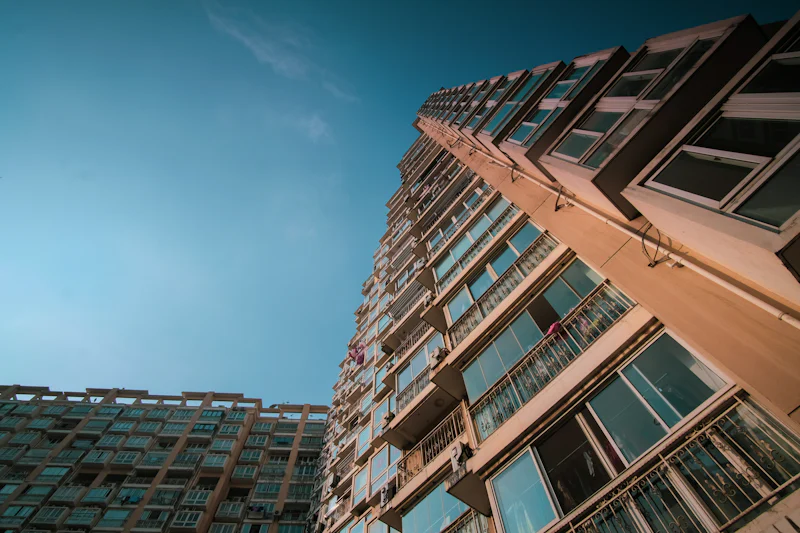
In China, the government grants residential land usage rights for a term of 70 years. When you purchase an apartment, your ownership certificate (often referred to as the 不动产权证 or Real Estate Title Certificate) confirms your right to occupy and transfer that property for the remainder of that term. You are not buying the underlying soil, but you are buying the right to reside in or profit from the building standing upon it. In practice, most residential leases are renewable upon payment of a fee, but the legal framework for the end-of-term transition remains a subject of ongoing discussion among legal scholars and policymakers.
Eligibility and Residence Requirements
Before you browse listings, you must satisfy the 'one-property' rule. Foreigners are typically permitted to purchase only one residential property for their own personal use in China. To qualify, you must demonstrate proof of living and working in the country for at least one year. This usually involves providing your passport, a valid residence permit, and an official letter from your employer or your school. You will also need a local tax payment certificate or social insurance contribution records, as many cities require proof of tax compliance for at least 12 to 24 months before allowing a property transaction.
Managing Financial Hurdles
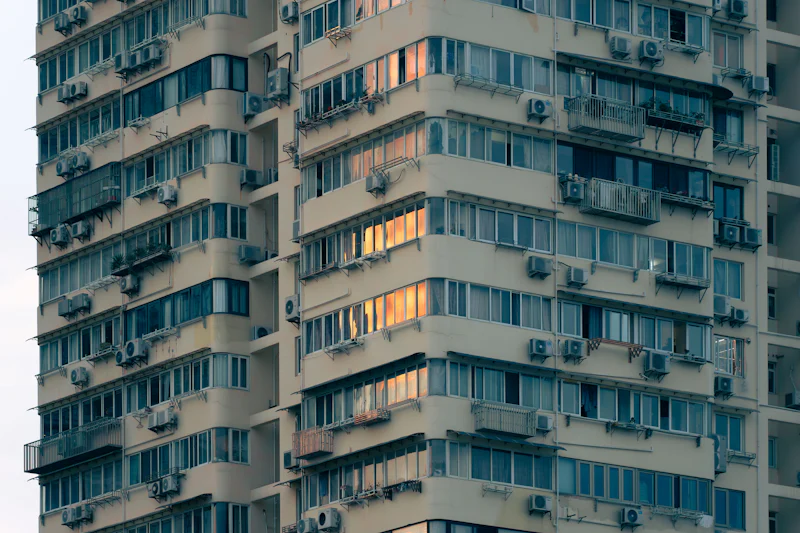
Moving money into China to fund a property purchase can be complex due to the country’s strict capital controls. Most banks require you to convert foreign currency into 人民币 (Renminbi) through official channels. You must keep every document related to the source of your funds, as the local housing authority will audit these transactions. Additionally, be prepared for high down payment requirements. While local residents might access lower thresholds, foreign buyers are often required to pay 30% to 50% of the total purchase price as a down payment, depending on the current regulations of the city where you are buying.
The Due Diligence Process
Never skip a professional title search. Use a reputable local law firm or a licensed real estate agent to verify that the developer has obtained the 'Five Certificates'—the documents proving they have the legal right to develop and sell the property. Ensure the property is not encumbered by existing mortgages or legal disputes. You should also verify if the area has specific foreign-buyer quotas. In some high-demand districts, local governments may impose temporary restrictions on sales to non-residents to control market speculation, and these policies can change overnight.
Owning property in China is a long-term commitment that requires navigating the distinction between state land ownership and private usage rights. Have you encountered any specific local restrictions while researching the housing market in your current city?
Quick Takeaways:
- Foreigners can purchase one residential property for personal use after one year of residency.
- Residential land usage rights are typically granted for a 70-year lease from the government.
- Prepare for high down payment requirements which often exceed 30% for non-resident buyers.
- Verify the developer holds all five mandatory legal certificates before signing any purchase contract.
#chinaexpat #realestatechina #propertyinvestment
