In Imperial China, facial hair was not merely a personal grooming choice but a vital symbol of wisdom, maturity, and social status. Emperors and high-ranking scholars are consistently depicted with meticulously groomed beards and mustaches because these features were believed to embody the Confucian ideal of junzi (a person of noble character). A full beard signaled that a man had transcended the impulsive nature of youth and reached a state of balanced internal cultivation. This historical emphasis on facial hair reflects a period where external appearance was inextricably linked to one's perceived moral authority and leadership capability.
The Cultural Symbolism of the Beard
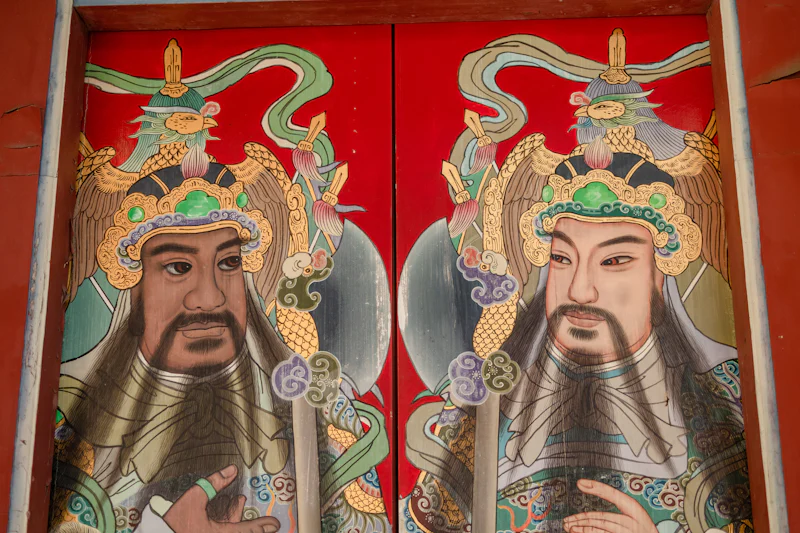
In traditional Chinese culture, the body was considered a sacred inheritance from one's parents. This belief influenced grooming standards, as hair was generally kept long rather than cut short. For an emperor, facial hair served as a visual shorthand for experience. The term meiran (beautiful beard) appears frequently in classical literature, such as in the Romance of the Three Kingdoms, where the legendary general Guan Yu is famously praised for his impressive, long whiskers. This physical trait represented a bridge between human biology and the divine order of the state, reinforcing the idea that an emperor was the 'Son of Heaven' who possessed the gravity required to govern under the Mandate of Heaven.
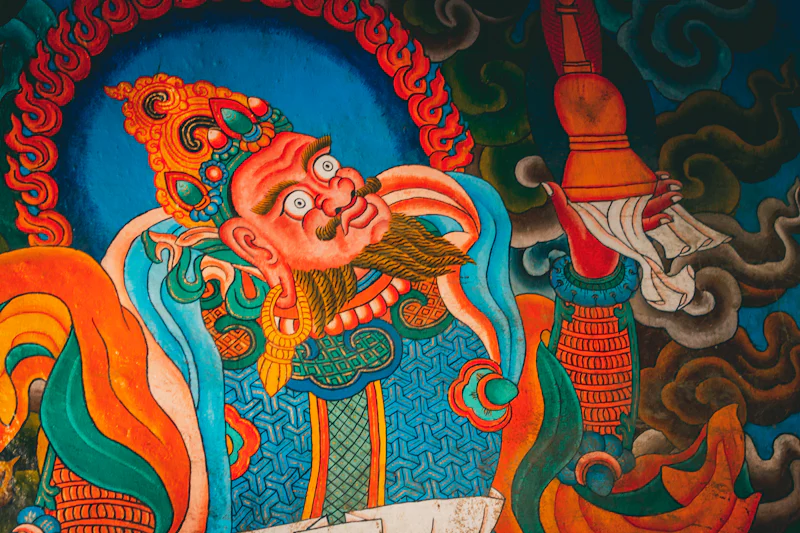
Evolution of Grooming Standards
The transition from the imperial preference for facial hair to the clean-shaven look prevalent in modern China occurred primarily during the 20th century. Following the fall of the Qing Dynasty in 1911, the modernization movement sought to break away from traditional iconography. Western-influenced aesthetics began to prioritize hygiene, efficiency, and a youthful, industrial-ready appearance. By the mid-20th century, the cultural shift towards a 'clean-cut' aesthetic became the standard, effectively marginalizing the historical associations between beards and wisdom. Today, while facial hair is no longer a marker of status, the historical depictions remain essential for understanding the art, literature, and film portrayals of China's past dynasties.
Navigating Modern Beauty Standards
For expats living in China today, it is helpful to recognize how these aesthetic shifts influence contemporary interactions. While there is no longer a rigid social expectation for men to be clean-shaven, corporate environments and formal settings often lean toward a conservative look. Younger generations, influenced by global media and the rise of the 'flower boy' or xiaoxianrou (little fresh meat) trend, often prefer minimal facial hair. Understanding this helps bridge the gap between historical expectations—where hair meant power—and current trends, where grooming is often equated with professionalism and adaptability. Whether you choose to grow a beard or not, being aware of these cultural layers provides a deeper appreciation for why historical figures in paintings look the way they do.
Ultimately, the evolution of facial hair in China tracks the country's transition from a tradition-bound imperial society to a globalized, modern powerhouse. Have you noticed any differences in how facial hair is perceived in your local social or professional circles in China?
Quick Takeaways:
- Facial hair historically symbolized wisdom and noble character in imperial China.
- Confucian values linked physical appearance directly to moral and social status.
- The 20th-century modernization movement shifted preferences toward a clean-shaven aesthetic.
- Modern professional norms in China favor a polished and clean-cut look.
#chineseculture #historyofchina #asianbeauty
