Yes, Chinese tea culture is deeply rooted in respect and social hierarchy, meaning that how you pour and receive tea carries significant weight in both business and personal settings. Understanding these customs is not about perfection, but about demonstrating awareness of local social norms. When you are invited to a tea gathering, the way you interact with the tea tray, the cup, and your host signals your willingness to integrate and respect Chinese traditions. Mastering a few simple gestures will instantly change how others perceive your professionalism and cultural fluency in China.
The Finger Tapping Ritual of Gratitude
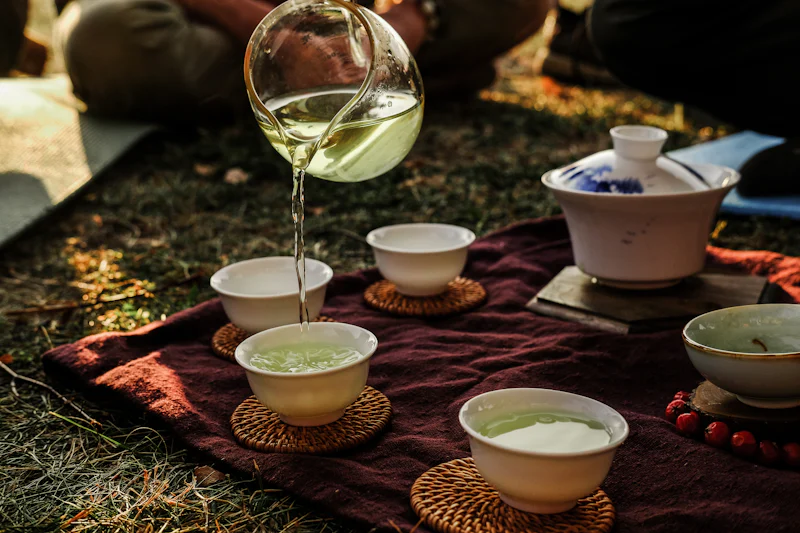
One of the most unique aspects of tea etiquette is the custom of tapping your fingers on the table when someone pours tea for you. This practice, known as koutou (磕头 - literally 'knocking head'), signifies silent thanks. If you are a guest, tapping your index and middle finger twice on the table shows appreciation without interrupting the conversation. If a senior person pours for you, it is polite to tap more emphatically. This gesture replaces the need for constant verbal 'thank yous,' which can disrupt the flow of the tea ceremony, or chadao (茶道 - 'the way of tea').
Proper Pouring Order and Hierarchy
In any formal or business setting, the host or the person seated in the position of honor typically receives tea first. If you are pouring for others, always serve the most senior or eldest guest first, moving clockwise around the table. Never pour tea until the cup is overflowing; in many regions, filling the cup to about 80 percent is considered respectful. Overfilling a cup is sometimes interpreted as a sign of haste or a lack of finesse. If you are the recipient, never pick up your cup to signal for a refill while the host is speaking, as this is seen as impolite.
Handling the Tea Set and Trays
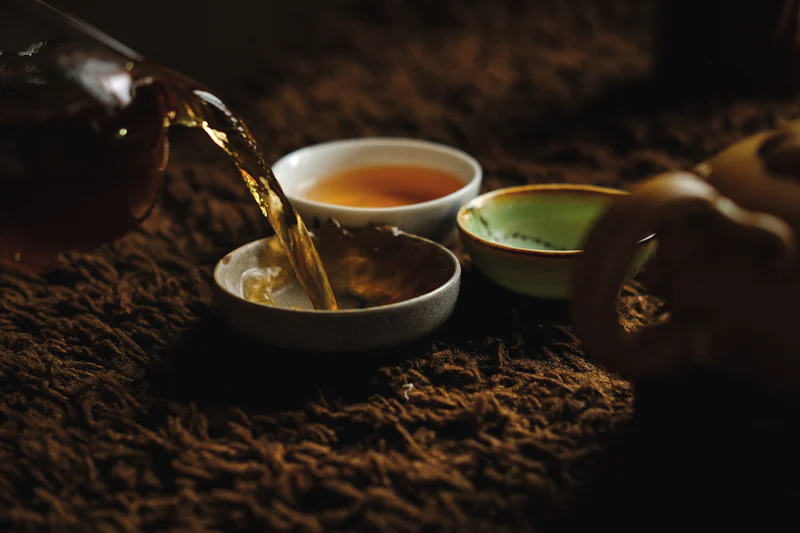
Many tea tables are equipped with a drainable tray, known as a chapan (茶盘 - 'tea board'), designed to handle spills. It is perfectly acceptable for the host to rinse the cups with hot water and pour the rinse water directly onto the tray. As an expat, do not be alarmed if you see tea being splashed onto the table; it is a standard part of the preparation process to warm the vessels. When receiving a cup, always use both hands—one hand holding the cup and the other supporting the base—as this is the standard sign of respect across East Asian cultures.
Reading the Social Cues of the Host
In business meetings, tea is often served to mark the beginning of a negotiation or a discussion. If your host is personally brewing the tea, pay attention to their pace. The tea service serves as a buffer in conversation, allowing for pauses. If you are anxious to reach a decision, do not rush the tea service, as the time spent brewing is considered essential for building guanxi (关系 - 'relationships' or 'social connections'). Refusing tea outright can be perceived as rejecting the host's hospitality, so if you cannot drink caffeine, it is better to take a small sip and leave the cup mostly full rather than declining.
Mastering these small, non-verbal cues is often more effective at building rapport than speaking perfect Chinese during a formal meeting. Have you ever encountered a situation where your knowledge of local etiquette helped you build a better connection with Chinese colleagues or friends?
Quick Takeaways:
- Tap two fingers on the table to silently thank the host for tea.
- Always serve the most senior guest at the table before yourself.
- Use both hands to accept a tea cup to show proper respect.
- Do not overfill tea cups; aim for about 80 percent capacity.
#chineseculture #expatchina #teatraditions
