The 144-hour visa-free transit is absolutely worth it for travelers looking to experience China without the hurdle of a standard tourist visa, provided your itinerary is strictly compliant with the rules. This policy, officially known as the 144-hour Transit Without Visa (TWOV) scheme, is a fantastic way to explore major hubs like Shanghai or Beijing for up to six days. However, the system is unforgiving regarding the sequencing of your flights, and a single mistake in your destination planning will result in being denied boarding at your departure airport.
Understanding the Core Eligibility Requirements
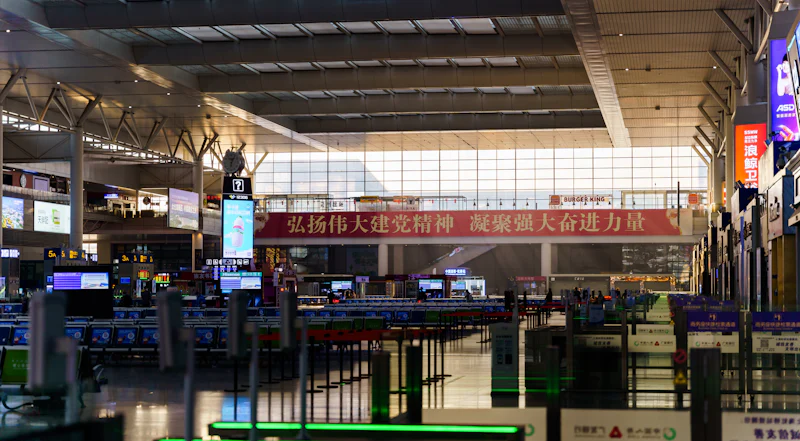
To qualify for this program, you must be a passport holder from one of the 54 eligible countries and arrive from a third country or region. You cannot fly a round trip between the same two countries. For example, if you fly from London to Shanghai and return directly to London, you do not qualify. You must travel as a passenger in transit, such as Paris to Shanghai to Tokyo. It is critical to note that the "144-hour" period begins at 00:01 on the day following your arrival. If you land in Shanghai at 10:00 AM on Monday, your time starts on Tuesday morning, giving you effectively more than six days of travel time.
Proving Your Third-Country Intent
Immigration officers require physical or digital proof of your onward travel. You must have a confirmed ticket to a third country or region (including Hong Kong, Macau, or Taiwan). It is highly recommended to have these documents printed out. You must also fill out the arrival card specifically marked for the 144-hour transit at the border inspection counter. When you clear immigration, look for the designated blue signs labeled "144-hour Visa-Free Transit" to avoid standing in the standard visa holder lines.
Geographic Constraints and Regional Coverage
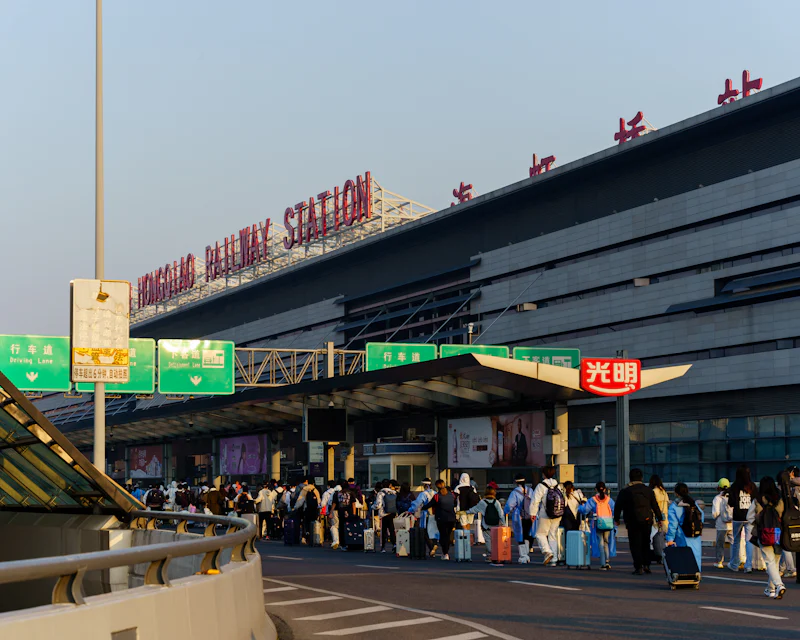
Many travelers assume they can travel anywhere in China, but the 144-hour permit restricts you to specific administrative regions. For the Shanghai-Jiangsu-Zhejiang cluster, you are permitted to move freely between these three areas. However, if you enter through Beijing, your movement is generally restricted to the Beijing municipality, Tianjin, and Hebei province. Exceeding these geographic boundaries is a violation of your permit and can lead to severe fines or deportation. Always check the official website of the National Immigration Administration (国家移民管理局) to confirm the current geographic scope for your entry point.
Practical Tools and Registration Rules
Once you arrive, remember that if you are staying in a hotel, they will handle your mandatory 住宿登记 (accommodation registration) automatically. If you are staying in a private residence, you are required by law to register your stay at the local police station within 24 hours. Many travelers now find it helpful to download 支付宝 (Alipay) or 微信支付 (WeChat Pay) before arrival, as these platforms are essential for transportation and food ordering in most Chinese cities. Having a basic understanding of your travel route is essential, as border officials may ask for the address of your first night’s stay to verify your intent.
The secret to a successful 144-hour transit is having a clear, verifiable ticket chain that demonstrates you are merely passing through China on your way to another destination. Have you ever attempted the 144-hour transit and encountered any unexpected issues with your documentation at the airport gate?
Quick Takeaways:
- Ensure your flight itinerary represents travel between three different countries or regions
- The 144-hour clock starts at 00:01 on the day following your arrival
- Always carry a printed copy of your onward ticket to your third destination
- Register your location with the police if you are not staying in hotels
#chinatravel #visafreetransit #traveltips
