Learning Chinese history through pop culture is not only possible but arguably the most accessible entry point for newcomers, provided you carefully distinguish between artistic dramatization and historical fact. While pop culture simplifies complex events, it offers essential cultural context that standard textbooks often lack, such as the social etiquette, traditional clothing, or 礼仪 (lǐyí - etiquette/manners) of specific dynasties. By balancing entertaining narratives with reputable supplemental research, you can build a solid foundation of understanding while enjoying the rich aesthetic of Chinese media.
Historical Dramas as Visual Roadmaps
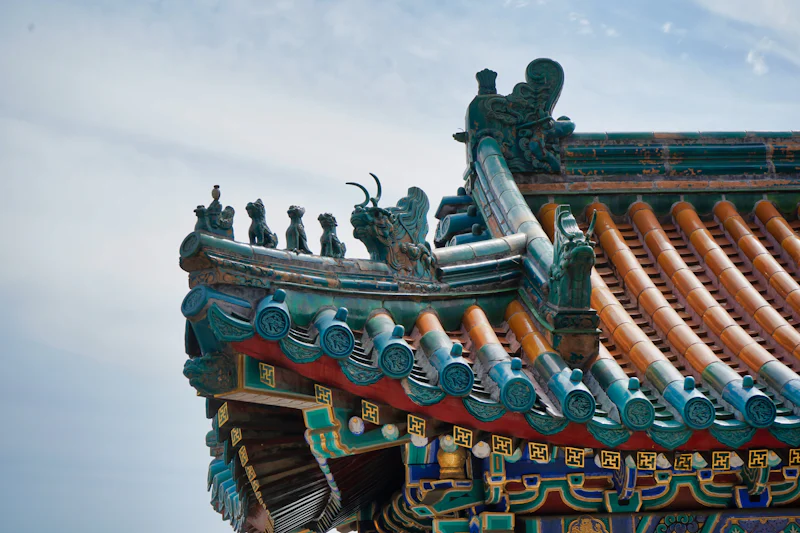
Historical dramas, known as 古装剧 (gǔzhuāngjù - costume dramas), are fantastic for learning, but accuracy varies. For a balance of entertainment and historical substance, start with "Nirvana in Fire" (琅琊榜). Although it uses a fictional dynasty, it masterfully illustrates the intricate power dynamics and Confucian values that defined the imperial bureaucracy. For those seeking grounded history, "The Qin Empire" (大秦帝国) series is highly recommended. It covers the rise of the Qin state with deep attention to political strategy and legalist philosophies. When watching, look for terms like 官位 (guānwèi - official rank) to understand the rigid social hierarchies of the past.
Literature for Narrative Depth
If you prefer deep dives, transition from shows to classic literature. The "Four Great Classical Novels" are the cornerstones of Chinese history. If they feel too daunting, consider modern historical fiction that reimagines these eras. Reading books about ancient China provides the nuance that 40-minute episodes often skip. Pay attention to the 成语 (chéngyǔ - idioms) embedded in the text; these four-character phrases often originate from historical anecdotes and provide a shortcut to understanding the moral lessons ancient Chinese society valued most. Websites like "MDBG" are excellent tools for looking up these terms as you encounter them.
Separating Legend from Reality
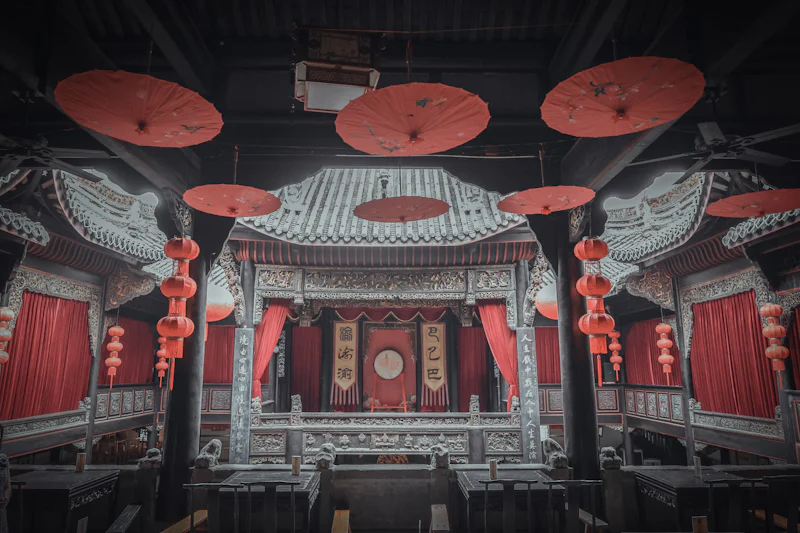
Pop culture often romanticizes history, leading to common misconceptions. A major pitfall is the "harem drama" subgenre, such as "Empresses in the Palace" (甄嬛传). While they offer stunning visuals of Qing Dynasty court life, they often prioritize sensationalist plotlines over the actual political constraints of empresses. Use these as a gateway, but cross-reference events with reputable historical summaries from sources like the "Encyclopaedia Britannica" or "China Highlights" to verify the broader timeline. Understanding the difference between 野史 (yěshǐ - unofficial history) and 正史 (zhèngshǐ - official records) is the most critical skill for a student of Chinese history.
Curating Your Learning Path
Create a dual-track system: keep one "fun" drama for weekend viewing and one non-fiction book or podcast for deeper analysis. If you are starting, focus on one dynasty at a time. The Tang Dynasty is a great starting point because of its influence on modern Chinese identity and its relative openness to international exchange. By focusing your consumption on a specific timeline, you avoid the confusion of jumping between centuries of conflicting traditions and geopolitical shifts.
Mastering history through pop culture requires treating the media as a visual guide rather than a textbook, always verifying key figures and events through academic resources.
Which era of Chinese history have you found most interesting to explore through films or books?
Quick Takeaways:
- Distinguish between historical facts and artistic dramatizations to avoid common misconceptions
- Use classic literature to understand the origins of cultural idioms and moral values
- Focus on one dynasty at a time to build a cohesive historical timeline
- Cross-reference drama events with reputable online historical archives for factual accuracy
#chinesehistory #culturallearning #historicaldramas
