In modern China, facial hair is relatively rare because current grooming standards prioritize a clean-shaven, youthful, and professional appearance that aligns with corporate expectations and traditional notions of refined masculinity. While historical figures in literature and art are frequently depicted with elaborate beards to symbolize wisdom and status, contemporary society views stubble or full facial hair as unkempt or counter-productive in competitive professional environments. Understanding this aesthetic shift helps expats navigate social norms and workplace expectations across the country.
The Professional Perception of Grooming

In the competitive Chinese labor market, personal grooming is often viewed as a proxy for discipline and respect for others. In office settings, particularly in sectors like finance, law, or public-facing retail, being clean-shaven is considered the standard for male employees. Leaving facial hair, especially if it is patchy or poorly maintained, can be perceived by management as a lack of attention to detail or a sign of laziness. Many professional environments operate under the expectation of a 整洁 (zhěngjié), or neat and tidy, appearance, which leaves little room for individual expression through facial hair.
Historical Roots Versus Modern Trends
Historically, Chinese culture associated long beards with elders, scholars, and officials, representing maturity, dignity, and longevity. However, these historical depictions have largely remained in the realm of period dramas and traditional painting. In the modern era, the influence of East Asian pop culture—which emphasizes smooth, porcelain-like skin—has permeated the beauty industry. Younger generations often aspire to the aesthetic of the 小鲜肉 (xiǎoxiānròu), or 'little fresh meat,' a term for young, attractive male idols who are meticulously groomed and completely hairless. This shift toward youth-centric beauty standards has effectively relegated facial hair to the fringes of mainstream fashion.
Navigating Social and Dating Norms
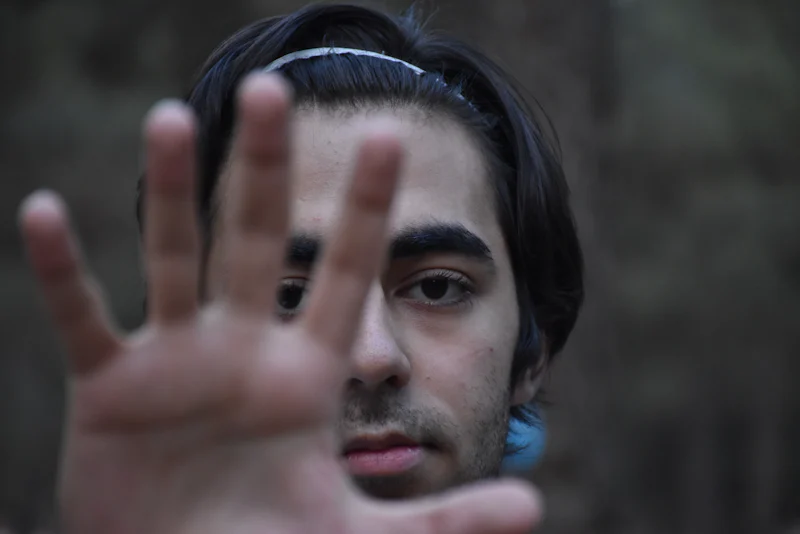
For foreigners, the reaction to facial hair in social settings can vary significantly depending on the city and the environment. In creative hubs like Shanghai or art districts in Beijing, a well-groomed beard might be seen as a stylistic choice or an 'exotic' accessory. Conversely, in more traditional settings or conservative tier-three cities, facial hair might cause confusion or elicit unsolicited advice from friends or colleagues who genuinely believe you have simply forgotten to shave. When attending formal events or family gatherings, maintaining a clean-shaven face is often the safest way to avoid cultural friction and demonstrate that you have made an effort to look your best.
Practical Grooming Advice for Expats
If you prefer to maintain facial hair, the key is to ensure it looks intentional rather than accidental. In China, the difference between 'artistic' and 'unkempt' is razor-thin. Use high-quality electric trimmers to keep lines sharp, as messy edges are viewed more negatively here than in many Western countries. If you are preparing for a job interview or a meeting with a high-level official, the safest strategy is to shave completely. If you choose to keep it, ensure it is trimmed to a uniform, short length to signal that your appearance is a conscious choice, not a lapse in personal hygiene.
Modern Chinese grooming standards emphasize a clean-shaven look that is linked to professional reliability and current pop-culture beauty ideals. Have you ever felt that your appearance influenced how you were perceived in a professional setting in China?
Quick Takeaways:
- Clean-shaven faces are the standard for professional settings and formal corporate environments.
- Historical reverence for beards does not translate to modern, everyday Chinese fashion trends.
- The 小鲜肉 beauty ideal promotes smooth, youthful skin over rugged or bearded looks.
- Intentional, short-trimmed facial hair is acceptable in creative industries or international-facing social circles.
#chinalife #mensgrooming #culturetips
