Finding high-quality imported literature while living in China is entirely possible, though it requires moving beyond standard domestic platforms like Taobao. While major e-commerce apps are excellent for local goods, they often face restrictions regarding foreign-printed media due to customs regulations. To successfully order foreign books in China, you should focus on specialized vendors and cross-border platforms that handle the customs clearance process on your behalf. By utilizing these established channels, you can access a vast library of international titles while avoiding the complexities of personal customs declarations or the need for specific identity document registrations.
Leveraging Cross-Border E-commerce Platforms
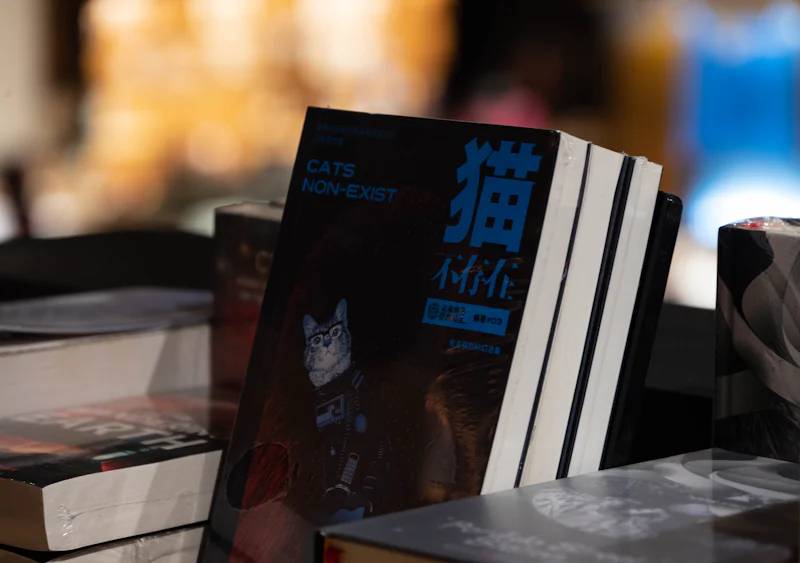
The most reliable way to purchase imported literature without dealing with bureaucratic hurdles is through apps that specialize in international goods. Platforms like 天猫国际 (Tmall Global) operate under a bonded warehouse model, which means the books are already cleared for entry into the country. When you buy from these storefronts, the duty is typically included in the price, and the shipping is handled via domestic courier services like 顺丰速运 (SF Express). This bypasses the need for your personal ID to be linked to individual customs entries, as the platform acts as the importer of record.
Utilizing Specialized Foreign Book Sellers
Beyond general platforms, there are dedicated bookstores that offer online ordering for English and other foreign language publications. Vendors like the 'The Bookworm' or specific independent shops on 微信 (WeChat) mini-programs are common entry points. These sellers maintain their own inventory within the country, which means faster delivery times compared to shipping from overseas. When dealing with smaller vendors, always verify their shipping status; if they confirm the book is 'in stock' (现货), you can usually receive your order within 3 to 5 business days.

Navigating Customs and Personal Restrictions
If you decide to order directly from an international retailer, be aware of the 'Personal Articles' restrictions. The Chinese Customs authority enforces a limit on the quantity of printed materials that can be imported for personal use. If you order more than five to ten books in a single package, the shipment is likely to be flagged for inspection or sent to a customs office for manual clearance. To avoid this, keep your orders small—generally under 2 kilograms—to ensure they move through the 'postal' channel rather than commercial freight, which requires complex documentation and potential tax assessment.
Managing Digital Alternatives
For those who prefer physical books but find international shipping costs prohibitive, local digital services can bridge the gap. Using an 电子书阅读器 (e-book reader), such as a Kindle or a similar device, allows you to purchase digital foreign titles instantly. Many foreigners in China rely on these devices to bypass physical import restrictions entirely. You can sync your foreign account with these devices by using a stable connection or by sideloading titles, effectively keeping your library updated without waiting for international logistics.
While physical copies of imported books can be harder to source than local publications, using cross-border platforms and staying within small quantity limits ensures a smooth shopping experience. How have you managed to build your personal library since moving to China?
Quick Takeaways:
- Use Tmall Global for books that are already cleared and in domestic warehouses.
- Keep orders under 2 kilograms to avoid strict manual customs inspections and delays.
- Look for 现货 (in-stock) status on WeChat mini-programs for faster local delivery times.
- Consider e-readers as a practical supplement to minimize the need for physical shipping.
#chinaexpats #bookhaul #livinginchina
