Enrolling as a foreigner in Chinese public high school is technically possible under national law, but it requires navigating complex local admissions policies that vary drastically between provinces and municipalities. While international schools are designed for expatriates, local institutions offer a direct immersion into the domestic gaokao (national college entrance examination) track, which is rigorous, cost-effective, and demanding. Success in this path depends less on the law itself and more on your child’s proficiency in putonghua (Mandarin) and your ability to secure the necessary documentation from local educational bureaus.
Understanding the Administrative Hurdles
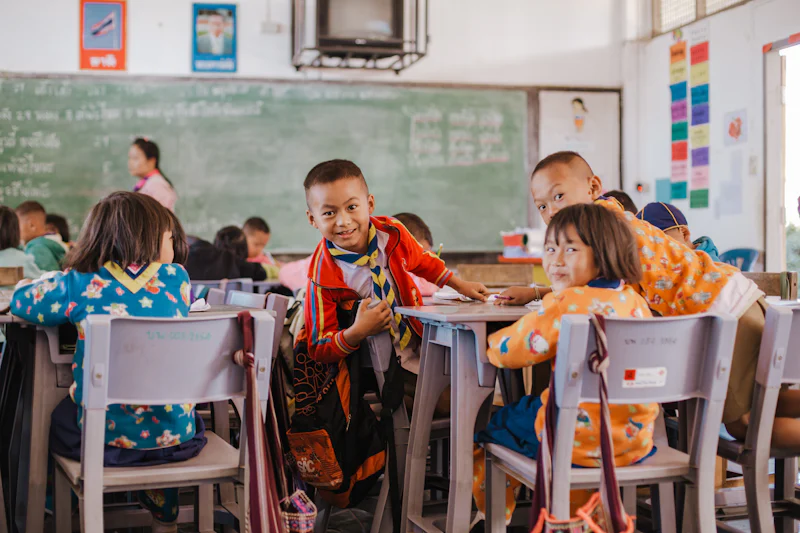
The primary challenge is that public schools are categorized into tiers, and many top-tier institutions strictly prioritize students holding a hukou (permanent household registration) from their local district. To enroll your child, you must first secure a residence permit that qualifies you for residency in that specific school district. You will need to provide your child’s passport, a valid visa, and, most importantly, proof of residency such as a property deed or a long-term rental contract. Many districts require an interview where the school assesses whether the student can follow the standard curriculum, as public high schools rarely provide English-language support.
The Rigor of the National Curriculum
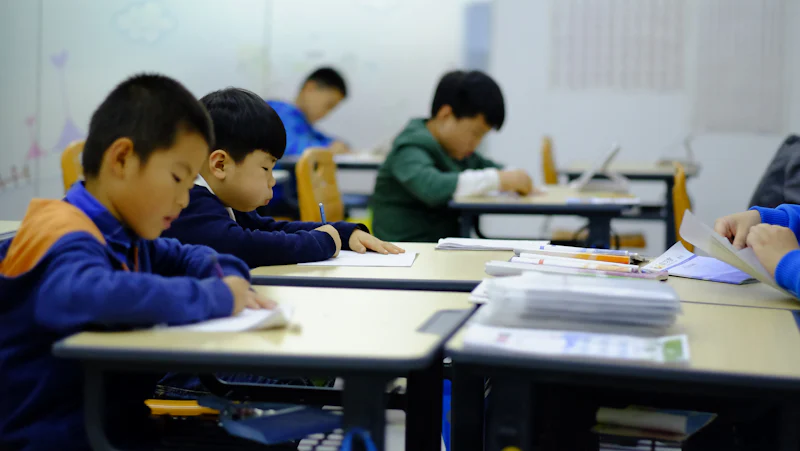
Unlike international schools that focus on holistic learning, the Chinese public education system is laser-focused on standardized testing. Your child will spend significantly more time in the classroom compared to Western systems, often beginning at 7:30 AM and ending as late as 9:00 PM for self-study sessions. The subjects are taught in Chinese, and the expectations for rote memorization and math proficiency are exceptionally high. For an expatriate, this means that even if a school agrees to admit your child, they must demonstrate near-native fluency in Chinese to avoid falling behind in subjects like history, politics, and literature.
Weighing the Benefits vs Challenges
Choosing a public school is often the most economical option, as tuition fees are substantially lower than private international alternatives. Beyond cost, the social integration into Chinese society is unparalleled; your child will develop a level of cultural understanding and linguistic competence that is almost impossible to replicate in an international bubble. However, the lack of support for non-native speakers is a significant pitfall. If your child is not already fluent, the academic pressure can lead to burnout. Furthermore, transitioning back to a Western university system after completing a Chinese public high school curriculum requires substantial extracurricular effort to supplement missing components like critical thinking debates or independent project work.
Essential Steps for Enrollment
Start by visiting the local jiaoyuju (Education Bureau) in your district at least six months before the academic year begins. Bring your child's vaccination records, translated transcripts from their previous school, and your company-sponsored visa documentation. It is often helpful to hire a local consultant or ask a trusted HR representative to accompany you to these meetings, as the bureaucratic process is often conducted entirely in Chinese. Be prepared for the school to ask for a 'placement test' to determine if your child fits their academic standards. If your child struggles with the language, inquire about remedial classes, though these are rare in public institutions.
Your success hinges on the intersection of your child's linguistic adaptability and your willingness to navigate the local bureaucracy. Have you ever attempted to navigate the local Education Bureau for school enrollment, and what was the most surprising requirement they asked for?
Quick Takeaways:
- Verify district residency requirements through your local Education Bureau before selecting a neighborhood.
- Prepare for significantly longer school days compared to Western and international private institutions.
- Ensure your child has high-level Mandarin proficiency to handle the intense domestic curriculum.
- Bring authenticated, translated transcripts and records to every meeting with school administrators.
#chinaschools #expatlife #educationchina
