The expat community in China is not disappearing, but it is undergoing a profound transformation as the demographic shifts from transient travelers to long-term residents. While the sheer volume of foreigners may seem lower in certain business districts compared to pre-2020 levels, the nature of expat life after COVID China has become more integrated, specialized, and localized. Rather than a shrinking population, we are seeing a consolidation where those who remain are more deeply embedded in the local economy and social fabric, moving away from the bubble lifestyle of the past.
The Changing Landscape of Foreigner Demographics

The current foreigner demographic in China is increasingly defined by professionals, entrepreneurs, and families who have opted for deep integration. In previous years, the expat population was bolstered by a high number of English teachers and short-term contract workers. Today, the composition is leaning toward high-skilled individuals in tech, manufacturing, and trade. For example, in hubs like Shenzhen or Shanghai, the emphasis has moved toward those contributing to the 双循环 (Dual Circulation) strategy, which encourages domestic and international market integration. This demographic shift means the expat community is less visible in traditional tourist hotspots and more concentrated in specific industry clusters.
Evolution of Social Integration
Social life for foreigners in China has migrated from localized 'expat bars' to digital-first community building. Much of this is facilitated by specialized WeChat groups that cater to specific interests, such as fitness, hiking, or professional networking. Relying on apps like 大众点评 (Dazhong Dianpin) or 小红书 (Xiaohongshu)—the latter acting as a modern lifestyle guide—has allowed expats to discover hidden local gems rather than relying on international restaurant chains. This transition encourages deeper interaction with local Chinese culture and minimizes the reliance on a separate expat bubble. The barrier to entry for social connection has shifted from physical proximity to shared digital experiences and platform-based hobby groups.
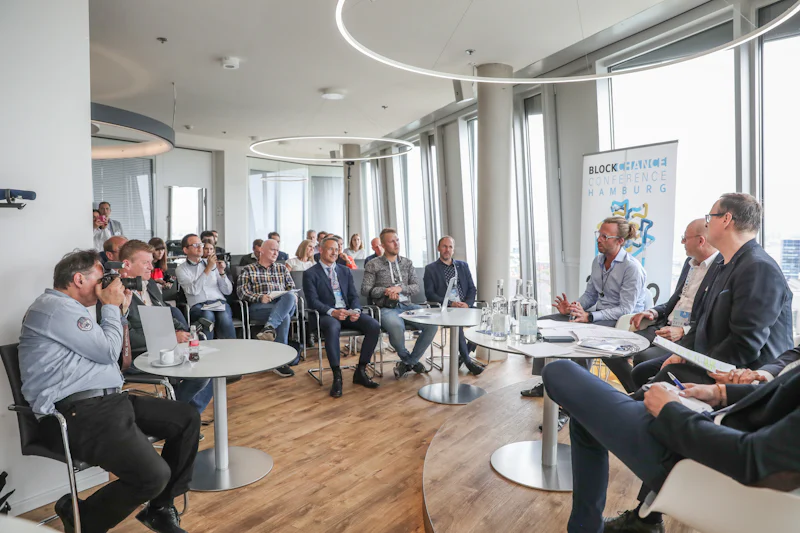
The Professional Experience
Operating in the Chinese market today requires a different set of tools and a higher degree of localized knowledge. Business networking is no longer confined to chambers of commerce events; it now occurs through platforms like 钉钉 (DingTalk) for enterprise communication and local industry summits. Expat life after COVID China demands proficiency in navigating the 数字化 (Digitization) of daily life. From managing finances through 微信支付 (WeChat Pay) to handling logistics via 美团 (Meituan), the level of technical literacy required has increased. Those who remain are essentially those who have successfully mastered the local digital ecosystem, making them more resilient to shifts in international travel trends.
Finding Your Place in the Community
The perception of a 'shrinking' community is often a reflection of a changing social paradigm rather than a numerical decline. Because the modern expat experience involves less physical congregation in traditional western-style venues, it can feel quieter to the newcomer. However, the community is arguably more authentic, as current residents are here by choice, navigating the complexities of modern Chinese life with intent. Engaging with local community events or joining niche professional organizations provides a more accurate view of how the population has evolved and solidified over the last few years.
Adapting to the modern China experience requires prioritizing digital proficiency and community integration over traditional expat-centric social bubbles. How has your experience of finding community or building a social network changed in your city over the last two years?
Quick Takeaways:
- The expat demographic has shifted toward long-term professionals rather than transient contract workers.
- Mastering local digital tools like Dazhong Dianpin is essential for modern social integration.
- Professional networking now happens primarily through localized platforms like DingTalk and industry forums.
- Community engagement is increasingly found in digital interest groups rather than physical expat hubs.
#expatchina #lifeinchina #expatcommunity
