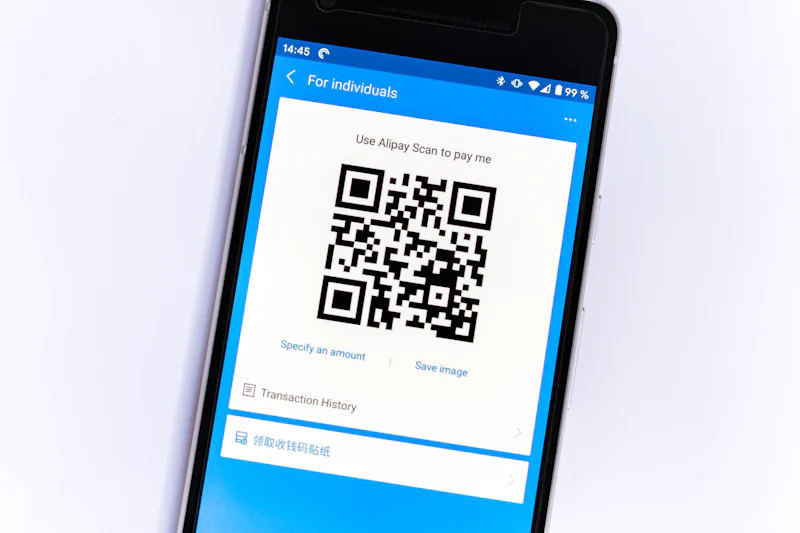
The most effective way to pay for apps and services without a local bank account is by linking your international credit or debit card directly to 支付宝 (Alipay) or 微信支付 (WeChat Pay). While these platforms have made significant updates to accommodate foreign cards, you will likely encounter transaction limits and occasional verification hurdles. The primary solution for new arrivals is to complete the 'International Version' setup within these apps, which bypasses the requirement for a mainland Chinese bank account while still allowing you to utilize the digital payment ecosystem that powers nearly all app stores and local services in China.
Enabling International Card Integration
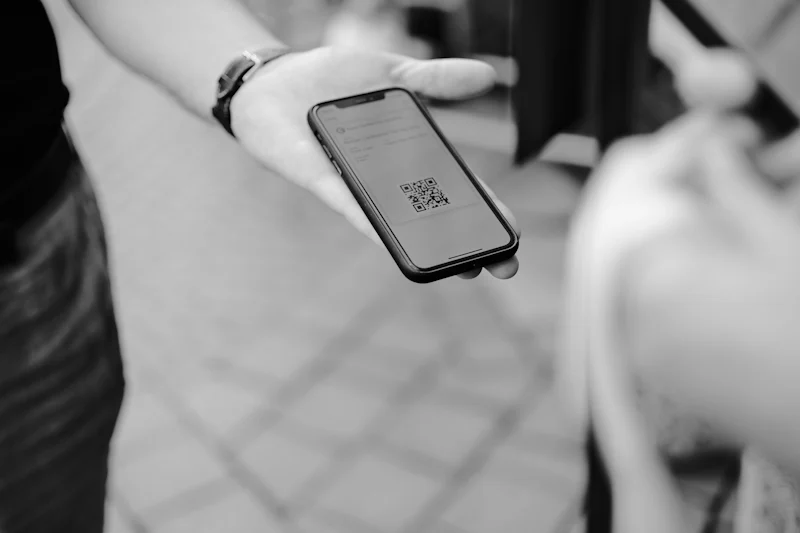
Both major payment platforms now allow users to link Visa, Mastercard, and JCB cards. To start, download the English version of the app and navigate to the 'Bank Cards' section. You will be prompted to input your passport details to verify your identity, a process known as 实名认证 (Real-Name Authentication). Once verified, add your card as you would for any international service. Note that some cards issued in specific regions may face rejection due to security protocols; if this happens, try a different card issuer or a digital wallet-linked card before concluding it is a regional restriction.
Managing Transaction Limits and Fees
While linking an international card is convenient, it is not a direct replacement for a local account. Transactions usually have a 'Single Transaction Limit' (often around 200 RMB) and a 'Monthly Cumulative Limit'. If you attempt a purchase exceeding these, the payment will be declined without a clear error message. Keep in mind that your bank may charge 'Foreign Transaction Fees' for each purchase. Check with your home bank regarding their international fee structure, as frequent small purchases for apps can lead to high cumulative service charges.
Troubleshooting Common Payment Failures
If your card is linked but payments fail, the most common culprit is the 'Risk Control' system. The app might flag the transaction if your IP address shifts rapidly or if the app detects a suspicious login. To resolve this, ensure you are using a stable network connection. If the error persists, do not repeatedly retry, as this may trigger a temporary 24-hour lock on your account. Instead, clear your cache, update the app to the latest version, and attempt the transaction again after a few hours.
Alternative Payment Workarounds
If neither app accepts your foreign card, consider using 'Prepaid Gift Cards' or 'Virtual Accounts' that are compatible with the Chinese app ecosystem. Many users purchase official App Store gift cards or use a third-party service to top up a digital balance. However, exercise caution: only use reputable platforms to avoid scams. Another approach is to ask a trusted friend or colleague in China to 'transfer' money to your digital wallet in exchange for an equivalent international transfer. This is a common practice among the expat community to navigate temporary payment gaps.
Digital convenience in China relies on platform compatibility, so keep your international card details updated and always have a backup payment method ready for essential apps.
Which specific app or service are you currently finding the most difficult to pay for using your international card?
Quick Takeaways:
- Link international cards directly through the official Alipay or WeChat Pay settings menu.
- Complete full identity verification using your passport to unlock higher transaction spending limits.
- Beware of single transaction limits and potential foreign currency fees from your bank.
- Avoid repeated retry attempts if a payment fails to prevent temporary account locks.
#chinapayments #expatlife #digitalchina
