The 144-hour visa-free transit policy allows eligible travelers to enter specific Chinese regions without a traditional visa, provided you have a confirmed ticket to a third country or region within 144 hours. The most important rule to remember is that your itinerary must show a clear path from your origin to China, and then from China to a different destination outside of mainland China. A round-trip ticket that returns to your point of origin (e.g., USA-Shanghai-USA) will typically be rejected, as it does not qualify as a transit journey.
Qualifying for Transit Without Visa
To qualify for the 144-hour 过境免签 (Guòjìng Miǎnqiān), you must hold a passport from one of the 54 eligible countries. Your total stay cannot exceed 144 hours, starting from 00:01 on the day after your arrival. You must arrive and depart from an eligible port of entry within the same administrative region. For example, if you enter Shanghai, you can also travel within the neighboring provinces of Jiangsu and Zhejiang, but you cannot fly to Beijing for a separate trip.
Preparing Your Flight Documents
Before boarding your flight, ensure your travel itinerary is printed in English. Airlines are responsible for verifying your eligibility and will often inspect your onward ticket at check-in. If your airline is unfamiliar with the policy, refer them to the official 出入境管理处 (Entry and Exit Administration) guidelines. Always carry a copy of your next flight confirmation, as the immigration officers will require proof of your departure date and destination when you arrive at the border control desk.
Navigating Airport Procedures
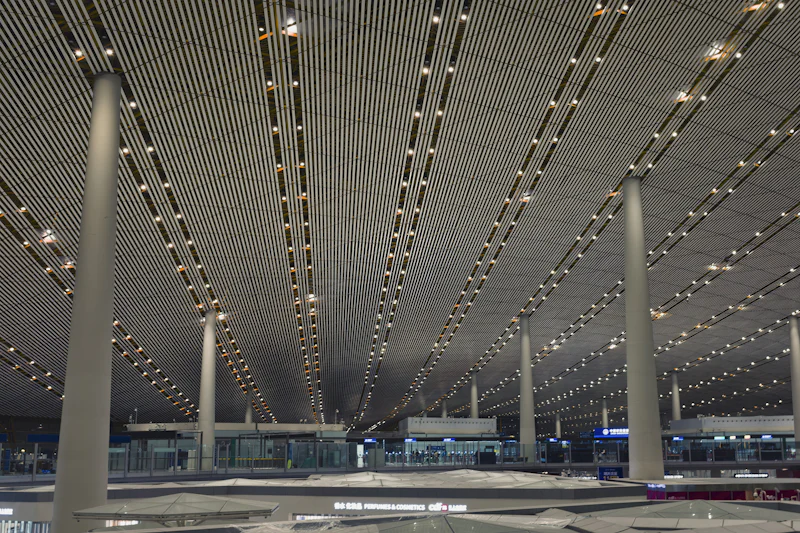
Upon arrival, look for the designated transit counters marked 144-hour Visa-Free Transit. Do not join the regular visa lines. You will need to fill out an arrival card and provide your flight details. Once processed, you will receive a temporary entry permit stamped into your passport. This permit acts as your legal authorization to stay within the designated area. Remember that you must register your temporary accommodation; if you are staying in a hotel, they will handle this registration for you, but if you are staying with friends, you must visit the local 派出所 (Pàichūsuǒ) police station to complete your registration within 24 hours.
Avoiding Common Pitfalls
Many travelers fail to realize that the 144-hour period is strictly enforced by the hour. Arriving even a few minutes earlier than your scheduled time or missing your departure flight can result in an overstay, which carries significant fines and potential travel bans. Additionally, ensure your passport has at least three months of validity remaining. It is also wise to keep a digital copy of your hotel reservation and flight itinerary on your phone, as many services in China, such as 支付宝 (Alipay) or 微信支付 (WeChat Pay), are easier to set up once you have a stable local connection.
Mastering the transit policy requires precise scheduling and ensuring that your flight route qualifies as an international transit rather than a round trip. Have you successfully used the 144-hour transit policy during a layover in China, and did you encounter any unexpected issues at border control?
Quick Takeaways:
- Ensure your itinerary travels to a third country, not back to your origin.
- Check that your arrival and departure airports are within the same permitted region.
- Print all your flight and hotel confirmations to present at the transit counter.
- Register your stay at a local police station if you are not in hotels.
#visa-free #traveltips #chinatransit
