Finding a niche in Qingdao as an expat requires shifting your search from large, centralized forums to hyper-local WeChat groups and specific social platforms. While tier-1 cities like Shanghai or Beijing rely on massive, broad-reaching forums, Qingdao’s foreigner community thrives on a decentralized, word-of-mouth model. If you are moving to Qingdao as a teacher or professional, understanding that the community is built around neighborhood proximity rather than city-wide digital hubs is the single most effective way to integrate quickly and find reliable social resources.
Leveraging WeChat for Social Integration
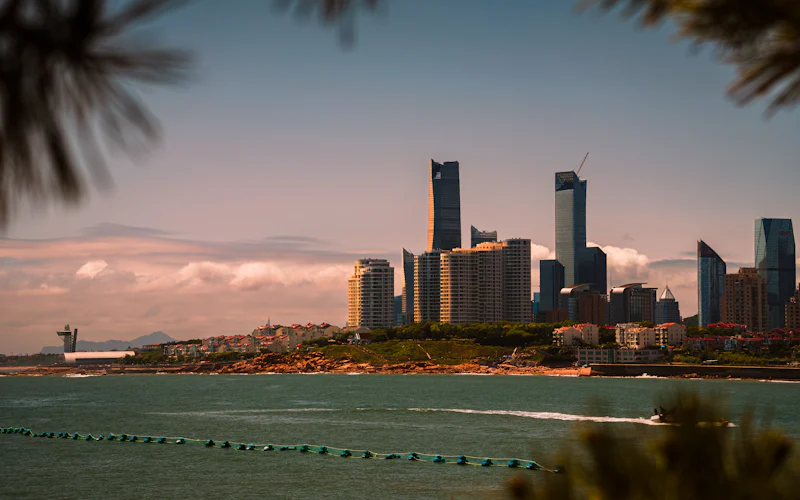
In Qingdao, the primary tool for community interaction is 微信 (WeChat). Unlike Western social platforms, most expats in coastal cities organize via specific WeChat groups categorized by interest, such as football teams, coffee enthusiasts, or language exchange circles. If you are new to town, visit popular expat-friendly venues in the Shinan District or near the Olympic Sailing Center. Staff and regulars often have QR codes for local community groups that act as digital town squares. Always verify the group’s focus before joining, as many are segmented by industry, such as teaching or international trade.
Comparing Coastal Living to Tier-1 Hubs
Living in Qingdao as a teacher offers a distinct lifestyle advantage compared to the rapid pace of Shenzhen or Shanghai. The community here is tighter-knit, meaning reputations carry more weight. Because the expat population is smaller, you will find that local resources—such as private language tutors or legal consultants—are often recommended through personal connections rather than anonymous online forums. When navigating daily life, use 大众点评 (Dazhong Dianping), the Chinese review platform, to find venues where expats congregate. Often, the review comments section on popular international restaurants will contain hidden leads to expat meetups.

Building a Professional Network
For those moving here for work, local professional networks are invaluable. Many educators connect through school-specific clusters, but you should also seek out the broader Qingdao Foreign Experts groups. These groups often host quarterly networking events or casual mixers. When reaching out, always introduce yourself with a concise summary of your industry and how long you have been in China. Professional groups in Qingdao are generally very welcoming but prefer direct communication over spamming digital spaces with generic questions.
Practical Tools for Daily Navigation
Beyond networking, you need practical tools to handle the nuances of life in a tier-2 coastal city. Keep 高德地图 (Amap) installed for precise location mapping, as it is generally more accurate for navigating the winding streets of older districts like Badaguan than international map alternatives. If you are struggling with language barriers, rely on 百度翻译 (Baidu Translate) for translating complex documents before asking your community for help. Demonstrating that you have attempted to solve a problem locally will make your requests for advice significantly more effective.
Success in a tier-2 city like Qingdao depends entirely on your ability to pivot from searching for large-scale expat forums to fostering personal connections within local neighborhood circles. How have you successfully tapped into your local city's hidden social network since arriving in China?
Quick Takeaways:
- Join niche WeChat groups rather than searching for traditional broad expat forum websites.
- Use Dazhong Dianping to identify social hubs where the local foreign community gathers.
- Build your professional network through direct referrals rather than anonymous online postings.
- Always prioritize your local neighborhood community over city-wide online interest groups.
#qingdaoexpat #livinginchina #expatlife
