The shift toward clean-shaven faces in modern China is primarily driven by the aesthetic preference for youthfulness and professional hygiene rather than a cultural taboo against facial hair. While historical figures in literature and art were often depicted with long, groomed beards as symbols of wisdom, age, and authority, the contemporary urban landscape prioritizes the 'xiao xian rou' (小鲜肉 - little fresh meat) beauty standard, which emphasizes clear skin, a youthful appearance, and a meticulously groomed look as markers of modern success and personal maintenance.
Historical Significance and the Shift in Aesthetics
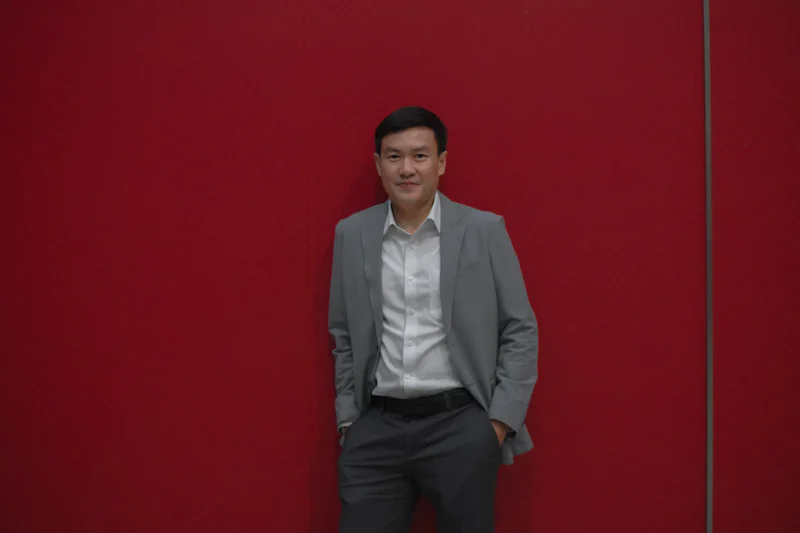
In traditional Confucian thought, hair was viewed as an extension of the body provided by one's parents, and therefore, it was common for men of status to cultivate beards as they aged to denote gravitas. Portraits of historical figures, such as Guan Yu, often feature elaborate facial hair to signify strength and scholarly merit. However, the 20th-century modernization wave, influenced by both Western corporate standards and the rapid rise of local pop culture, shifted the ideal male image. Today, the clean-shaven look is associated with being 'gan jing' (干净 - clean/neat), which is highly valued in both dating scenes and professional settings where a sharp, organized appearance is equated with efficiency.
The Role of Genetics and Grooming Trends
It is important to note that biological factors play a significant role alongside cultural trends. Many East Asian men possess lower densities of facial hair compared to other populations, meaning that growing a full, thick beard often requires a significant time investment and a high level of maintenance. Because the average beard growth pattern can be sparse, many men find that a half-grown beard looks unkempt rather than rugged. Consequently, tools like electric shavers from brands like Feike (飞科) have become household staples, making it incredibly convenient to maintain a daily clean-shaven routine. The widespread accessibility of these grooming tools reinforces the social expectation that men should remove stubble daily to maintain a polished look.

Professional and Social Implications of Facial Hair
In modern Chinese offices, grooming expectations remain relatively conservative. In sectors such as banking, law, or civil service, a 'clean-shaven' policy—even if not written explicitly in an employee handbook—is often the unspoken norm for maintaining a professional image. During job interviews or client-facing meetings, facial hair is sometimes unfairly perceived as a sign of laziness or a lack of attention to detail. While the rise of tech startups and creative industries in hubs like Shenzhen has allowed for more individual expression, the predominant cultural expectation remains that a man should present a neat, clear-faced profile to demonstrate discipline and respect for his surroundings.
Evolving Masculinity in the 21st Century
While the clean-shaven look dominates, there is a small but growing segment of urban men experimenting with shorter, stylized 'scruff' or groomed goatee styles. These trends are heavily influenced by social media platforms such as Douyin (抖音 - Chinese TikTok) and Xiaohongshu (小红书 - Little Red Book), where international influencers occasionally spark interest in different grooming aesthetics. Despite this, the overwhelming preference in the mainstream market remains the 'fresh' look. For foreigners living in China, navigating these standards is largely a matter of reading the room: in corporate environments, maintaining a clean-shaven face is the safest way to project professionalism, whereas casual settings offer far more flexibility for personal expression.
While personal style remains a matter of choice, understanding that the clean-shaven aesthetic serves as a functional marker of discipline and professional readiness in China helps expats better navigate social and workplace expectations. Do you feel that your grooming habits have changed since moving to China to better align with local professional norms?
Quick Takeaways:
- The clean-shaven look is often equated with the concept of being neat and organized.
- Cultural trends emphasize a youthful appearance over the traditional symbols of bearded wisdom.
- Daily shaving is supported by the high availability and affordability of local grooming tools.
- Professional settings generally favor a clean-shaven appearance to project discipline and respect.
#groomingincn #chineseculture #expatexperience
