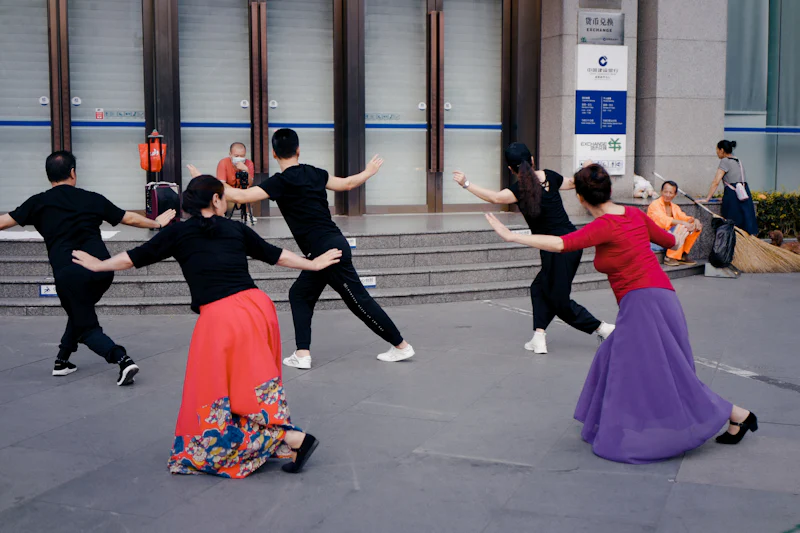
As the high-pitched notes of the suona and the thunderous beat of drums echo through the streets of Changchun, Jilin Province, the annual Spring Festival Yangko competition has once again taken center stage. Leading the festivities is 83-year-old Xiao Li, a municipal-level inheritor of the “Sleeve-head” Yangko. Her spirited performance, marked by vibrant smiles and nimble steps, perfectly encapsulates the optimistic and hospitable nature of the people of Northeast China.
A Legacy Carved in Ice and Snow
Northeast Yangko is a traditional dance form with deep historical roots. Records dating back to the Qing Dynasty describe grand “Lantern Night” celebrations where dancers would perform until dawn. Over centuries, this art form has evolved by absorbing elements from local folk songs, acrobatics, and traditional opera, ultimately becoming a living reflection of life on the “Black Soil” of the north.
The “Sleeve-head” (xiutou) variety is particularly unique to this frigid region. Historically, the name referred to the thick cotton sleeves of winter coats used to keep hands warm. These have since been stylized into specialized performance props with decorative fur edges. Master dancer Xiao Li, who began her training at age 16, has spent decades refining techniques that mimic the natural environment:
- The Upward Thrust: Representing snowflakes swirling in the wind.
- The Downward Sway: Symbolizing snow settling softly on the Earth.
- The Warming Gesture: Mimicking the common northern habit of tucking hands into sleeves or pockets to stave off the winter chill.
“Cold” Land, “Hot” Spirit
According to experts at the Changchun Humanities Academy, the essence of Northeast Yangko lies in the contrast between the environment and the people. While the ice and snow are cold, the spirit of the dance is “hot” and bursting with energy. The dance is defined by three aesthetic pillars: Lang (fluidity and grace), Qiao (nimbleness and charm), and Gen (rhythmic power and emphasis).
These movements are fundamentally rooted in agricultural labor. The iconic spinning of colorful handkerchiefs and the snapping of fans are stylized versions of everyday actions, such as wiping sweat from a brow, shading eyes from the sun, or planting seeds in the spring. A spinning handkerchief represents a fresh sprout bursting from the soil, while a flowing long silk ribbon symbolizes the growth of grain over time.
Preserving Culture for the Next Generation
In recent years, Northeast Yangko has moved from village squares to international stages. Modern choreographers have created award-winning works like “Grandma’s Field” and “Ice Flowers,” which bring the folklore of the north to a broader audience.
Education plays a vital role in this preservation. In 2020, the Changchun Humanities Academy was designated as a national base for the inheritance of Northeast Yangko. Today, third and fourth-generation inheritors provide training to more than 6,000 enthusiasts annually through community centers and cultural institutions. As long as the suona continues to play, the stories of the northern frontier will continue to be told through the rhythmic, joyous steps of the Yangko.
#NortheastChina #YangkoDance #JilinCulture #SpringFestival2026 #IntangibleHeritage
