In modern Chinese society, facial hair is largely perceived as unprofessional or unkempt, a sharp contrast to the historical reverence for beards. While long, flowing beards were once the hallmark of wisdom, maturity, and status for emperors and scholars in ancient China, the modern aesthetic has shifted heavily toward a clean-shaven look. This transition is rooted in a cultural preference for youthful, smooth, and 'tidy' appearances. In competitive urban environments, maintaining a sharp, well-groomed look is often equated with discipline, self-respect, and social readiness, leaving little room for the stubble that is currently trending in parts of the West.
The Historical Shift Toward Cleanliness
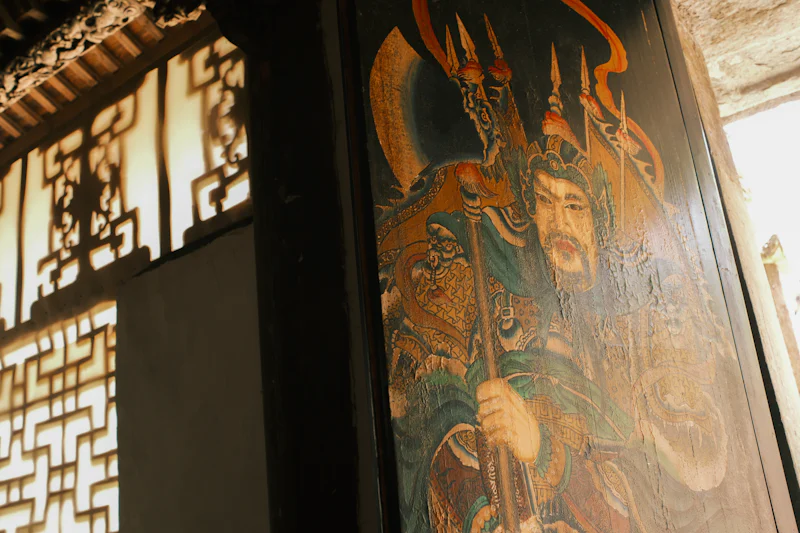
Historically, the 'beard' or huzi (beard/mustache) was a symbol of dignity. Portraits of figures like Guan Yu emphasize long, meticulously groomed facial hair as a sign of virility and life experience. However, the influence of Western professional standards in the early 20th century, coupled with the modernization movements of the mid-1900s, rebranded the clean-shaven face as a symbol of scientific progress and hygiene. For many, growing a beard today is not viewed as a stylistic choice but rather as a sign that one has 'given up' on personal grooming or is struggling with professional discipline.
Workplace Norms and Corporate Aesthetics
In the competitive corporate landscape of cities like Beijing and Shanghai, the 'clean-cut' look is the unofficial standard. HR departments often favor candidates who appear 'neat' or zhenjie (tidy/neat), as it signals reliability. If you are working in a client-facing role, skipping a shave is frequently interpreted as a lack of preparation for your professional duties. While tech industries and creative sectors are slightly more lenient, you will rarely see senior management or government officials with anything beyond a very subtle, perfectly maintained trim. Even in creative spaces, 'scruff' is often dismissed as being unprofessional.
Social Perception of Unkemptness
The stigma around facial hair is often linked to the concept of 'looking ragged' or labaji (slovenly/unkempt). Because facial hair requires significant time and high-quality grooming tools to look truly deliberate rather than accidental, the common assumption is that a bearded man simply lacks the time or motivation to manage his appearance. For foreign residents, this can lead to awkward interactions where people may ask if you are ill or have recently suffered a setback. It is not necessarily an act of hostility, but rather a reflection of the social norm where one’s appearance serves as a direct indicator of one’s current life circumstances and status.
Navigating Grooming Expectations
If you choose to maintain a beard, it is essential to emphasize 'intentionality.' Using high-quality electric trimmers like those from feike (a popular domestic grooming brand) to maintain precise lines can help signal that your beard is a stylistic choice rather than a sign of neglect. However, if you find that your facial hair is becoming a barrier in networking or professional settings, leaning into the local standard of a daily shave is the most effective way to align with the expectation of being 'neat.' In Chinese society, blending into the established aesthetic is often interpreted as a sign of respect for your surroundings.
Prioritizing a clean-shaven appearance is a strategic choice for navigating professional environments in China where facial hair is still frequently associated with poor grooming rather than individual style. Have you found that your professional interactions changed after choosing to grow or shave your beard in China?
Quick Takeaways:
- Facial hair is culturally associated with being untidy rather than a sign of style.
- Professional environments favor a clean-shaven look to signal discipline and personal grooming.
- Maintenance requires precise trimming to avoid the perception of looking messy or unkempt.
- Consider your industry norms before deciding to grow a beard for business meetings.
#facialsocialnorms #chineseculture #expatlasingchina
