Renting an apartment in China is a rite of passage for many expatriates, yet it remains one of the most complex logistical hurdles you will face. Whether you are navigating your first contract in Shanghai or settling into a long-term home in Chengdu, the process demands a blend of skepticism, preparation, and local tools. While the abundance of online platforms makes it easy to browse listings, the reality of property viewings and contract negotiations requires a structured approach to avoid hidden costs and legal ambiguities. Success comes down to understanding the landlord-agent-tenant dynamic.
The Preliminary Search
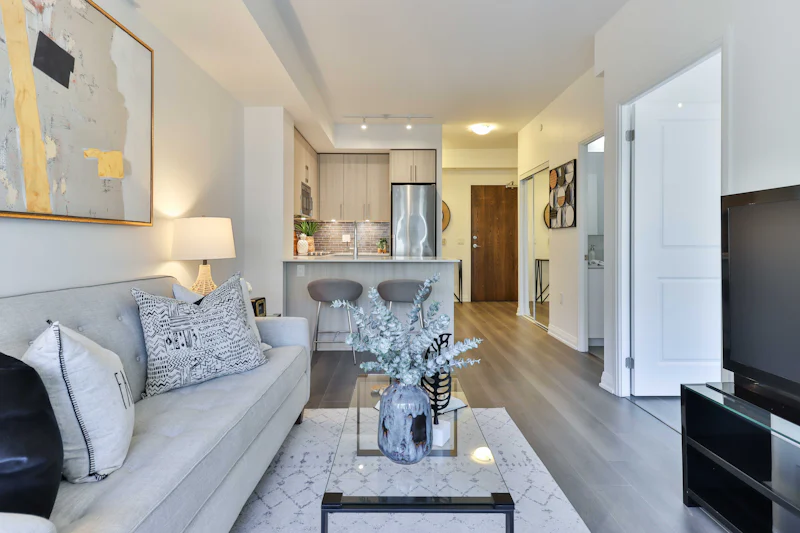
Most people begin by using apps like Beike, Lianjia, or 5i5j. These platforms are generally reliable, but they often feature listing photos that are outdated or edited to look more spacious than the unit actually is. Start your search 14 to 21 days before your desired move-in date. Starting too early is ineffective because, in major cities, good units rarely stay on the market for more than 72 hours. When browsing, filter for 'personal landlord' (房东直租) if you want to avoid agency fees, though keep in mind that using a reputable agency provides a layer of security regarding contract legitimacy.
Evaluating the Property
During your viewing, ignore the aesthetics and focus on infrastructure. Test the water pressure in the bathroom—a common weak point in older buildings. Check the windows for insulation; if they are thin, your utility bills in winter will be exorbitant. If the apartment is in a large high-rise complex, ask about the 'property management fee' (物业费). This is often paid in advance for the entire lease term, and neglecting to clarify who pays this—the tenant or the landlord—can lead to an unexpected invoice for several thousand RMB mid-lease.

Negotiating the Lease
Contracts in China are typically signed in Chinese. Do not rely on an oral translation from your agent. Use apps like Baidu Translate or, better yet, a professional PDF scanner to translate the text yourself. The standard lease term is 12 months, and the deposit is almost always one month of rent. A 'one-year' lease usually follows a 'pay three, deposit one' (押一付三) structure, meaning you pay three months' rent upfront plus a one-month security deposit.
Crucially, ensure the landlord presents their original ID card (身份证) and the property ownership certificate (房产证). Cross-reference the name on the ID with the name on the property certificate. If you are dealing with a sub-letter or a landlord who is not the registered owner, demand to see a notarized authorization letter. Without this, your contract may not be legally binding, which will complicate your mandatory temporary residence registration at the local police station.
Protecting Your Deposit
Once you sign, take a high-resolution video of the entire apartment before moving in any belongings. Focus on existing scratches on the floor, marks on the walls, and any malfunctions in the kitchen appliances. Send this footage to the landlord via WeChat. Because WeChat logs are considered admissible evidence in Chinese civil disputes, this serves as your digital 'receipt' of the apartment's condition upon arrival. This step prevents the landlord from withholding your deposit at the end of the lease due to pre-existing damage.
Finally, ensure all utility payments are digital. Use 支付宝 (Alipay) for gas, electricity, and water bills whenever possible. This leaves a clear digital trail of payments that you can export if you ever need to prove your residency or handle a dispute regarding unpaid utility bills.
Navigating the rental market is significantly easier when you treat every interaction as a legal transaction rather than a casual arrangement. By verifying documentation thoroughly and documenting the apartment's condition via digital logs, you minimize the risks associated with the security deposit and move-out process. What specific challenges have you encountered when trying to get your deposit back from a landlord?
Quick Takeaways:
- Start your search exactly 14 to 21 days before your move-in date.
- Verify the landlord's ID against the original property ownership certificate (房产证).
- Pay three months' rent plus one month's security deposit at signing.
- Record a video of all existing apartment defects and send it via WeChat.
- Always use 支付宝 (Alipay) for utilities to maintain a verifiable payment history.
#livingguide #expatchina #rentingtips
