Finding an apartment in Beijing for expats is best achieved by working with a reputable real estate agency rather than attempting to secure a place through direct landlord deals. While the latter may save on commission fees, the legal protections provided by a formal contract mediated by a professional agency are essential for foreigners navigating Beijing's strict rental housing regulations. Expect to pay a one-month rent equivalent as a commission fee, but prioritize this cost to ensure your residence registration—the 临时住宿登记 (Temporary Residence Registration)—is processed correctly, which is a mandatory requirement for your visa status.
Leveraging Professional Agencies
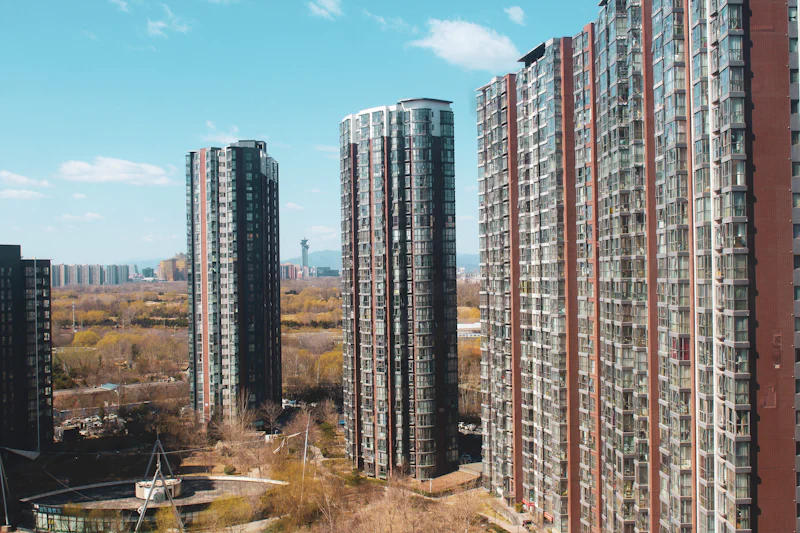
Most successful housing hunts in the city utilize major platforms like 链家 (Lianjia) or 贝壳 (Beike). These agencies provide access to the vast majority of verified listings. While the English proficiency of individual agents varies, using these platforms ensures that the contracts follow standard municipal regulations. Always confirm if the agent is aware of the current Lianjia foreigner policy for your specific district, as some residential compounds have restrictions on foreign tenants. Avoid platforms that offer prices significantly lower than the market rate, as these are frequently 'bait-and-switch' listings used to attract clients to an office.
Direct Landlord Deals vs. Agencies
Direct rentals found on platforms like 闲鱼 (Xianyu)—a popular second-hand marketplace app—can be tempting due to the absence of agency fees. However, this route carries significant risks for foreigners. Without a professional intermediary, you are solely responsible for verifying the landlord’s property deed, known as the 房产证 (Fangchanzheng), to ensure they have the legal right to rent the space. Furthermore, direct landlords may be unfamiliar with the process of reporting your residency to the local police, which can lead to legal issues for you during visa renewals.
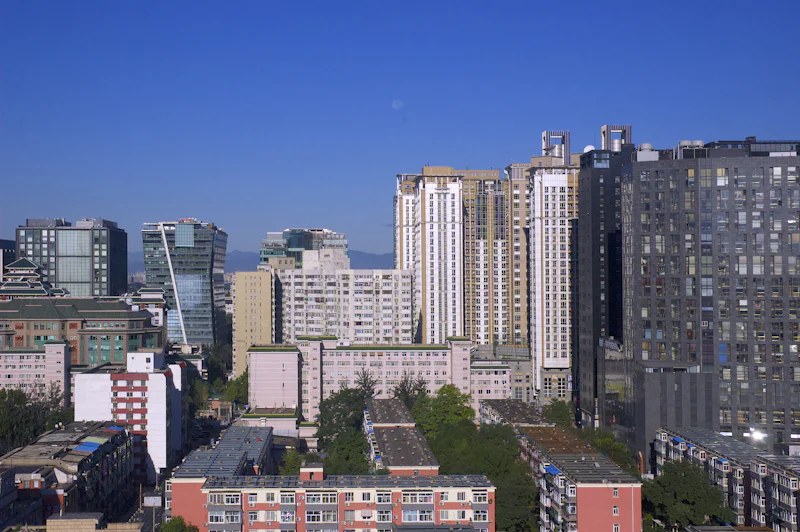
Recognizing Red Flags During Viewings
When touring potential apartments, always look for signs of poor maintenance, such as dampness in the corners or persistent smells from the plumbing, which are common in older 老小区 (Lao Xiaoqu) or older housing estates. Check that the appliances are in working order and that the electricity meters are functioning properly. A major red flag is if the landlord or agent refuses to provide a clear timeline for when the unit will be officially registered with the police. If the furniture is heavily damaged, document it thoroughly with photos before signing the contract to avoid deposit disputes upon your move-out.
Understanding Deposit and Payment Structures
In Beijing, the standard rental payment structure is the 'pay three, deposit one' model, or 押一付三 (Ya yi fu san). This means you pay three months of rent upfront along with a security deposit equivalent to one month’s rent. Some landlords may demand a 'pay six, deposit one' arrangement, but this is negotiable. Ensure that all payment receipts are recorded through legitimate channels, preferably via 支付宝 (Alipay) or bank transfer, rather than cash, to maintain a verifiable paper trail for your financial records.
Securing a safe and legal rental requires prioritizing professional verification of property deeds and timely registration with local police over the short-term savings of avoiding commission fees. Have you found the process of registering your residency with the local neighborhood committee to be straightforward or difficult in your specific district?
Quick Takeaways:
- Use agencies like 链家 to ensure your rental contract is legally compliant and secure.
- Always verify the 房产证 (property deed) before signing any lease agreement with a landlord.
- Budget for the standard 押一付三 payment model when calculating your upfront move-in costs.
- Document all existing apartment damage with photos to protect your security deposit during exit.
#beijinghousing #expatlife #chinatravel
