If your passport is nearing its expiration date, you should generally renew it before applying for a long-term China visa to avoid unnecessary complications. While the law technically allows travel with two passports, most immigration authorities prefer that your visa is physically placed in your current, valid travel document. Applying for a ten-year visa with a passport that expires in less than six to twelve months is a significant risk; if the consular officer deems your passport validity insufficient, they may grant a shorter visa or deny the application entirely, wasting your effort and fees.
Renewing Before Applying

The most secure strategy is to renew your passport in your home country or at your embassy before initiating the visa process. Chinese visas are typically tied to the passport number used during the application. If you obtain a visa in an old passport that expires soon, you will eventually find yourself in the awkward position of carrying two documents—the expired passport containing the valid visa and your new, blank passport—whenever you cross the border. While this is legally permitted, it increases the risk of damage to the old document and causes delays at check-in counters or 出入境 (chūrùjìng - entry and exit) control points.
Risks of Dual Passport Travel
Many travelers assume that keeping the old passport is enough, but airlines frequently struggle with this. When you arrive at the airport, the airline staff must verify that you possess a valid visa for China. If the visa is in a cancelled or expired document, the staff may mistakenly deny boarding because their systems often only scan the current passport. Always ensure your airline is aware that you are traveling with two passports before you reach the check-in desk. Furthermore, if you lose your old passport, you effectively lose your visa, requiring a costly and time-consuming replacement process at the nearest embassy.
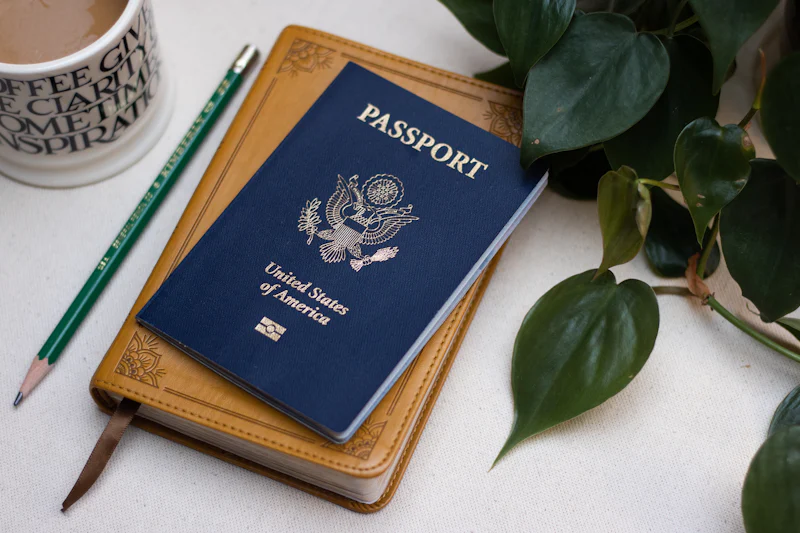
Navigating the 10-Year Visa Validity
The 十年多次往返签证 (shínián duōcì wǎngfǎn qiānzhèng - 10-year multiple-entry visa) is a major convenience, but it is only as good as the document it resides in. Most embassies require that your passport has at least six months of validity remaining for any visa application. If your passport expires in two years, the embassy may still issue the ten-year visa, but you will be stuck carrying two books for the next eight years. By renewing your passport before you apply, you ensure that the visa remains in your primary, current document, which simplifies every hotel check-in and transit experience in China.
Procedural Steps for Passport Updates
If you have already received a visa in an old passport, you do not need to apply for a new visa immediately upon receiving your new passport. You can continue to use the visa in the expired passport alongside your valid new one. However, you must update your information with the 公安局 (gōng'ānjú - Public Security Bureau) if you are currently residing in China on a residence permit. Failure to notify the authorities of a change in passport details within ten days can lead to fines. Ensure you visit your local exit-entry administration office to transfer your residence permit data to the new passport number.
Consolidating your visa into your newest, longest-validity passport is the most effective way to avoid administrative hurdles during international travel. Have you ever faced issues at an airport check-in counter while traveling with two passports?
Quick Takeaways:
- Always renew your passport before applying for a long-term China visa to avoid issues.
- You may travel with two passports if the visa is in the expired one.
- Report your new passport number to the local PSB if you hold a permit.
- Airlines may require extra time to verify visas held in expired, cancelled passports.
#visatips #chinatravel #legaladvice
