Living in Qingdao as an expat is an excellent choice for those seeking a balanced, coastal lifestyle that blends modern urban convenience with a distinct German-influenced historical charm. While it may not offer the hyper-speed pace of Shanghai or Beijing, it provides a significantly higher quality of life for families and professionals who prioritize clean air, proximity to the ocean, and a lower cost of living. Whether you are moving for a teaching position or corporate relocation, Qingdao offers a unique environment that remains one of the most livable mid-tier cities in China.
The Realities of Daily Life in Coastal China
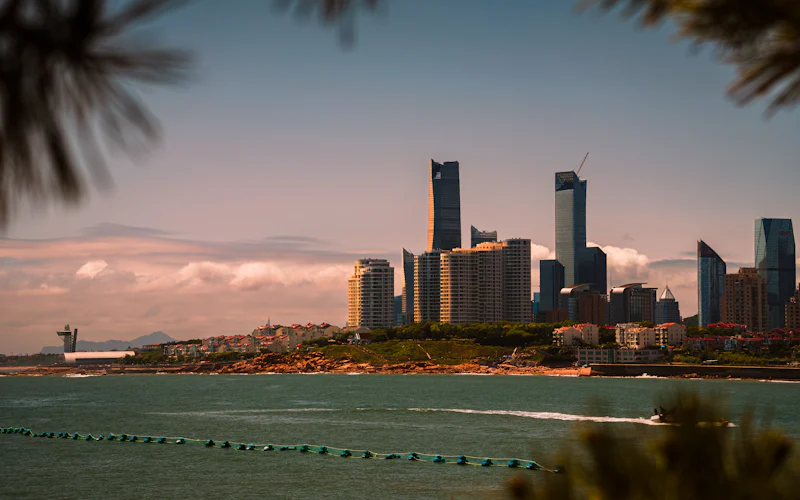
Qingdao is famously known for its refreshing sea breeze and the iconic 青岛啤酒 (Qingdao Beer) culture. Life here is centered around the coastline, particularly in the Shinan and Laoshan districts, which offer the best balance of amenities and beach access. You will find that daily transactions are seamless using 支付宝 (Alipay) or 微信支付 (WeChat Pay), which are the standard for everything from ordering groceries to paying utility bills. Unlike the massive sprawl of Tier-1 cities, navigating Qingdao is manageable, and the local public transport network, including a rapidly expanding Metro system, makes commuting efficient. The air quality remains consistently better than in many inland industrial hubs, which is a major factor for long-term expat residents.
Navigating the Career Landscape for Teachers
For those moving for education roles, the Qingdao expat community is heavily anchored by the international school system. Teachers often find competitive packages that include housing allowances and health insurance. It is critical to verify that your school provides a legitimate 工作许可 (Work Permit) rather than just a tourist or business visa. Schools located in the Laoshan district are generally newer and offer more modern facilities. Before signing a contract, ask about the school’s support system for processing your 居留许可 (Residence Permit), as this process can take up to 30 days and requires specific coordination with local authorities.

Balancing Pros and Cons
The primary advantage of Qingdao is the lifestyle; it is calmer, more affordable, and culturally vibrant. However, the transient nature of the expat population can be a disadvantage, as many people rotate in and out of teaching contracts. Additionally, while the seafood and local cuisine are world-class, those craving a vast array of niche international groceries might find selection more limited compared to Shanghai. You will need to rely on apps like 美团 (Meituan) to bridge the gap for delivered goods, but overall, the city remains highly accessible for foreigners who are willing to adapt to the local pace.
Finding Your Social Circle
Integration into the community happens best through expat-focused sports leagues and hobby groups that frequently meet at the local marinas or cafes. Because the city has a deep history of German architectural influence, there are many social events revolving around the colonial-era districts. Connecting with others through local social media groups is the fastest way to navigate the housing market and find recommendations for medical care. Remember that while English is common in tourist areas, learning basic Mandarin phrases for your day-to-day interactions at the market or with local taxi drivers will significantly improve your integration experience.
Ultimately, your experience will depend on your ability to embrace the slower, coastal pace rather than comparing it to the intensity of global capitals. What aspect of moving to a new city causes you the most anxiety when planning your relocation to China?
Quick Takeaways:
- Prioritize living in Shinan or Laoshan districts for the best coastal expat amenities.
- Use 支付宝 (Alipay) for all daily transactions to simplify payments and local services.
- Always ensure your employer provides a legitimate 工作许可 (Work Permit) upon arrival.
- Expect a slower, more relaxed pace of life compared to Beijing or Shanghai.
#qingdaoliving #expatchina #movingtochina
