Utah online marriage, specifically those conducted via digital ceremony, currently occupy a complex legal gray area regarding their recognition for S1/S2 visa applications in China. While some jurisdictions may process these documents, the Chinese government typically requires an apostille or a rigorous multi-step authentication process, which many online certificates fail to satisfy due to the lack of physical presence or local registration. If you are planning to bring a spouse on an expat family visa, relying solely on an online certificate often leads to complications or outright rejection at the embassy level.
The Authentication Gap

For a marriage certificate to be recognized in China, it must undergo the process of gongzheng (notarization) and renzheng (legalization). The primary issue with Utah online marriage is the requirement for the document to be legalized by the Chinese embassy or consulate in the United States. Since these marriages occur digitally, many consulates view them as 'insufficiently verified' under the Haide (Hague Convention) standards for international marriage recognition. You must verify if your specific certificate bears a valid apostille, but even with this, local Exit-Entry Administration bureaus often have the final say and may refuse to issue an S1 visa if the marriage does not include an in-person element.
S1 Visa Requirements and Documentation
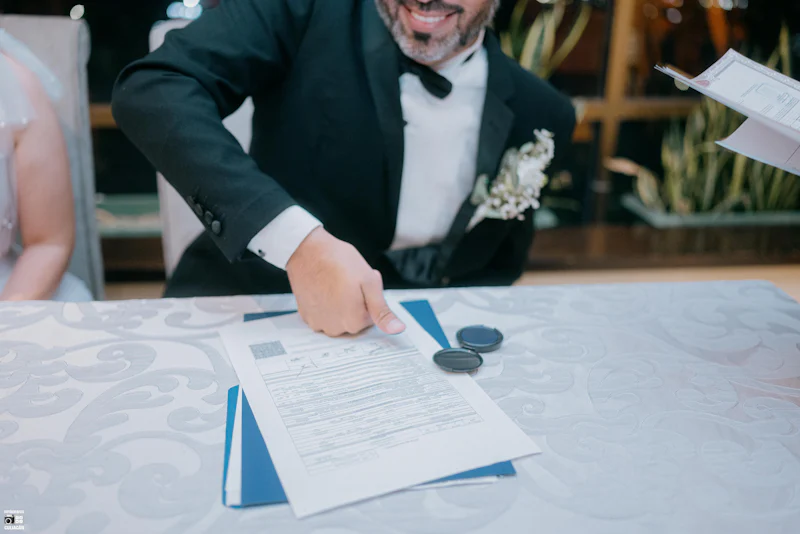
To apply for an S1 visa, you must provide your marriage certificate, which is the jiehun zheng (marriage certificate). Because China does not currently have a blanket policy that accepts purely digital certificates, you are essentially asking for a discretionary approval. If your application is accepted, you will likely need to provide the physical copy of the document that has been authenticated by the Chinese consulate in the U.S. jurisdiction where the digital license was issued. If your marriage was not registered in a physical county office, you may find that the Chinese authorities categorize the certificate as a private contract rather than a government-recognized legal instrument.
Practical Steps for Verification
Before you initiate your visa application, contact the local Churujing (Exit-Entry Administration) office in the city where you reside in China. Ask them specifically if they accept marriage certificates that have been apostilled following a digital ceremony. If they hesitate, assume the process will be difficult. It is highly recommended to have your documents processed through an official agency that specializes in consular authentication, as they are often aware of the current provincial-level policies which can vary significantly between cities like Beijing, Shanghai, or Guangzhou. Always assume that the document will require at least 30 to 60 days to complete the full chain of legalization before you can even begin the visa application.
Alternatives to Digital Documentation
If the digital route proves unsuccessful, many expats choose to register their marriage locally in China at the Minzhengju (Civil Affairs Bureau) if both parties are present, or they register in a jurisdiction that provides a traditional physical certificate recognized by the Hague Convention. Do not rely on digital-only documentation as your sole proof of relationship. If you are already in China, the process for changing your status from a work visa holder to a family-sponsored resident relies heavily on the official validation of your marital status, and failing to provide a universally accepted certificate can lead to your residence permit renewal being denied.
The most important lesson is that physical, authenticated documentation remains the gold standard for Chinese visa authorities, and digital-only marriages are currently a high-risk gamble for S1/S2 status. Have you successfully processed an online marriage certificate through a local Exit-Entry Administration office in your current city?
Quick Takeaways:
- Verify with your local Exit-Entry Administration before applying for an S1 visa.
- Apostille authentication is mandatory for any foreign-issued marriage certificate in China.
- Digital marriage certificates often face rejection due to lack of physical registration.
- Allow at least 60 days for the complete consular legalization and visa process.
#visatips #expatchina #marriagevisa
