{
"post": "Finding physical copies of foreign language books can be tricky in China due to strict customs regulations on imported media, but it is entirely possible if you use the right platforms and methods. While you cannot simply order anything from overseas bookstores without risking customs seizure or long delays, specialized cross-border e-commerce services and domestic retailers have streamlined the process significantly. By understanding which platforms handle the legal importation requirements, you can build your personal library without leaving your apartment.
Using Dedicated Cross-Border Platforms
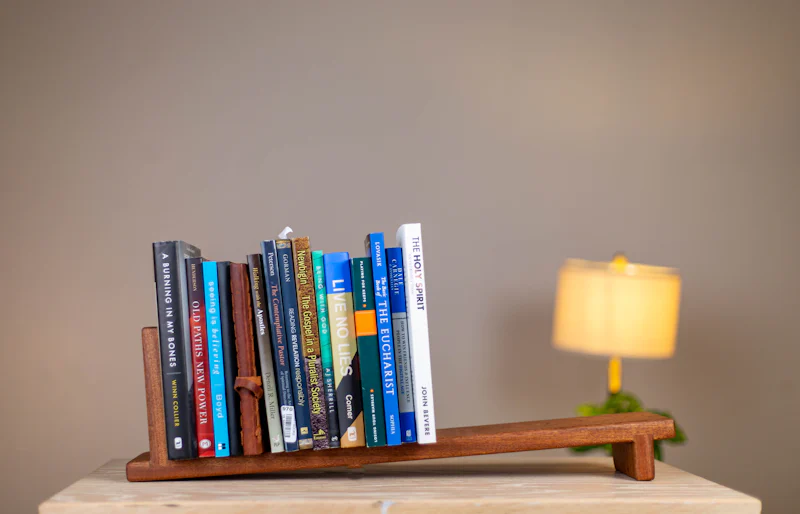
The most reliable way to order foreign books to China is through platforms that handle the customs clearance process for you. 多抓鱼 (Duo Zhua Yu), a popular second-hand book platform, often stocks a surprisingly deep selection of foreign language titles. Additionally, the 京东 (JD.com) international section and 当当网 (Dangdang) occasionally offer imported editions that have already cleared customs. For newer releases, the 天猫 (Tmall) global flagship stores are your best bet. When ordering, always ensure the seller lists the book as 'in-stock in China' to avoid the long, uncertain process of international shipping from abroad.
Navigating Customs Restrictions
Importing media into China is subject to inspection, and titles deemed sensitive may be confiscated by customs. If you order directly from international sites like Amazon (US/UK/DE), be aware that packages are frequently held for inspection. You may receive a notice requiring you to pay a tariff or provide identification. To minimize issues, keep your orders small—generally no more than three books per package. Using a reputable courier like 顺丰 (SF Express) for domestic segments or professional forwarding services can ensure the tracking is transparent and that you are notified if a package requires customs clearance input.
Leveraging Physical Bookstores in Major Cities
If you live in a tier-one city, you do not always need to rely on shipping. Stores like Page One (often found in high-end shopping centers) and 西西弗书店 (Seesaw Bookstore) have dedicated foreign language sections. While these are curated and more expensive than Amazon, they are guaranteed to have passed customs, meaning no risk of lost shipments. If you are looking for specific academic texts, the foreign language bookstores attached to major university districts often provide a better range than commercial retail chains. Always carry your passport, as some stores may require it for specific types of transactions or membership sign-ups.
The Digital Alternative
If you find that the physical import process is becoming too costly or unreliable, consider the digital-to-physical bridge. Many expats use a high-quality e-reader like a Kindle or an 文石 (Onyx Boox) tablet. You can purchase e-books legally from international stores without customs interference. If you still crave the tactile experience, you can use high-quality local printing services to bind academic papers or public domain texts, which is a common practice among students in China.
The secret to obtaining foreign literature is prioritizing domestic stockists over direct international shipping to avoid customs intervention. What is the most difficult book you have ever successfully managed to get shipped to your address in China?
Quick Takeaways:
- Prioritize books already in domestic warehouses to bypass complex customs inspection processes
- Keep international orders small to avoid triggering extra scrutiny by local customs officials
- Check Tmall and JD international sections for legally imported, ready-to-ship foreign language titles
- Visit physical chains like Page One for immediate access without worrying about delivery issues
#chinabooking #expatlife #readinginchina"reading #foreignbooks"foreignbooks #learnchinese"
}
