No, you cannot use the 144-hour or 72-hour visa-free transit policy without proof of an onward flight to a third country or region. The China transit visa (TWOV) is strictly designed for passengers with a confirmed ticket that demonstrates they are traveling from Country A to China, and then to Country C. If you arrive without a confirmed outbound ticket, you will be denied boarding at your departure airport or refused entry upon arrival, as immigration authorities require clear evidence that you intend to leave within the permitted timeframe.
Understanding the 144-Hour Transit Eligibility
The 144-hour visa-free transit policy allows travelers from 54 designated countries to enter select Chinese cities for short-term stays without a pre-approved visa. To qualify, you must possess a valid passport, a confirmed flight ticket to a third country, and proof of your transit status. It is critical to note that your flight itinerary must show an arrival at a specific port of entry and a departure from a port within the same administrative region. For example, if you arrive in Shanghai, you may travel within the Yangtze River Delta, but you cannot use this policy to visit Beijing.
The Third Country Requirement Explained
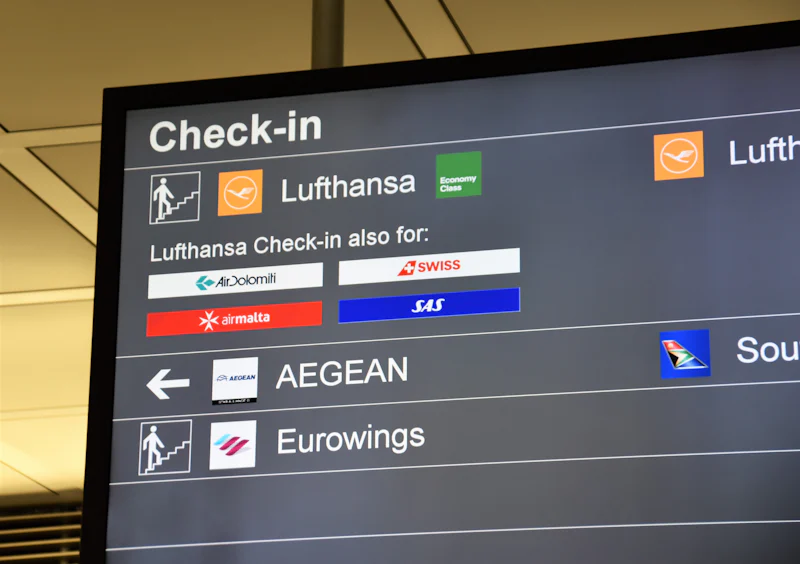
The most common pitfall for travelers is failing to recognize the "third country" rule. You cannot fly from your home country to China and then return directly to that same home country. Your itinerary must follow the format: Country A (origin) → China (transit) → Country B (final destination). Hong Kong, Macau, and Taiwan are considered separate jurisdictions for this policy, meaning a flight from Tokyo to Shanghai and then to Hong Kong satisfies the requirement. Always keep a printed copy of your flight itinerary in English to present to the airline staff at check-in, as they are legally required to verify your eligibility before you depart.
Required Documentation for Airport Immigration
Upon landing, you must head to the specific visa-free transit counter at the airport immigration hall—not the standard lines for visa holders. You will need to fill out an arrival/departure card specifically for the transit policy. Be prepared to show your passport, the confirmed flight itinerary showing your departure from China within 144 hours, and evidence of where you will be staying. While many travelers use hotels, if you are staying with a friend, you must complete the 境外人员住宿登记表 (Registration Form of Temporary Residence) at the local police station within 24 hours of arrival. Using apps like 支付宝 (Alipay) can sometimes help manage your travel logistics, but they do not replace the physical documents required by immigration officials.
Common Itinerary Pitfalls to Avoid
Do not attempt to transit through multiple cities unless they belong to the same visa-free regional cluster. For instance, the Beijing-Tianjin-Hebei area counts as one zone, but you cannot transit in Shanghai and then fly out from Beijing using the same 144-hour permit. Furthermore, ensure your departure time is strictly within the 144-hour window from 00:01 on the day after your arrival. If your flight is delayed or rescheduled outside of this window, you risk overstaying your permit, which can lead to fines, detention, or future travel bans to China.
Your transit eligibility hinges entirely on providing proof of a confirmed departure to a third destination. Have you ever encountered issues with airline staff or immigration officials when trying to utilize this policy in a specific Chinese city?
Quick Takeaways:
- You must have a confirmed ticket to a third country to qualify for entry.
- Your itinerary cannot involve returning directly to the country of your original departure.
- Keep printed copies of your onward flight confirmation to show at immigration counters.
- Stay within the permitted regional zones, such as the Yangtze River Delta or Beijing-Tianjin-Hebei.
#visatips #chinatravel #transitvisa
