The relative scarcity of facial hair among men in China is largely attributed to a long-standing cultural preference for clean-shaven appearances, which are often associated with youthfulness, professional discipline, and social hygiene. While Western grooming trends have increasingly embraced beards and stubble as symbols of rugged masculinity, the prevailing aesthetic in China remains rooted in a desire for smooth, well-maintained skin. This standard is reinforced by historical influences, social media beauty standards, and a workplace culture that prioritizes a polished, youthful look over the rugged, textured aesthetic often seen in Europe or North America.
Historical and Cultural Context
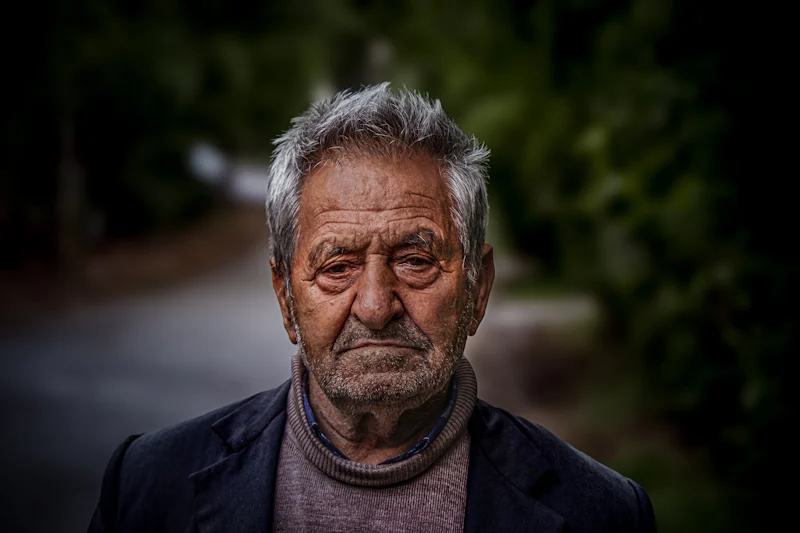
In traditional Chinese culture, the concept of mianzi (face) is inextricably linked to one's presentation in public. Historically, the Confucian ideal of a gentleman often emphasized composure and orderliness. While long, flowing beards were symbols of wisdom for elders in ancient times, the modern professional sphere has shifted toward a preference for the 'clean boy' look, or qingchun (youthful) aesthetic. This is not necessarily a prohibition against facial hair, but rather a reflection of societal expectations where smooth skin suggests a lack of coarseness and a high level of self-care.
The Professional Grooming Standard
In major urban centers like Beijing or Shanghai, the corporate environment heavily favors a polished look. For many employers, a clean-shaven face is interpreted as a sign of respect, punctuality, and attention to detail. This expectation is often codified in employee handbooks, which may stipulate that staff must be well-groomed. In the context of men's grooming trends in China, products such as electric shavers from brands like Feike or international equivalents are ubiquitous, and local grooming routines often prioritize deep cleansing and skincare over beard maintenance products like oils or waxes.
Influences of Pop Culture and Media
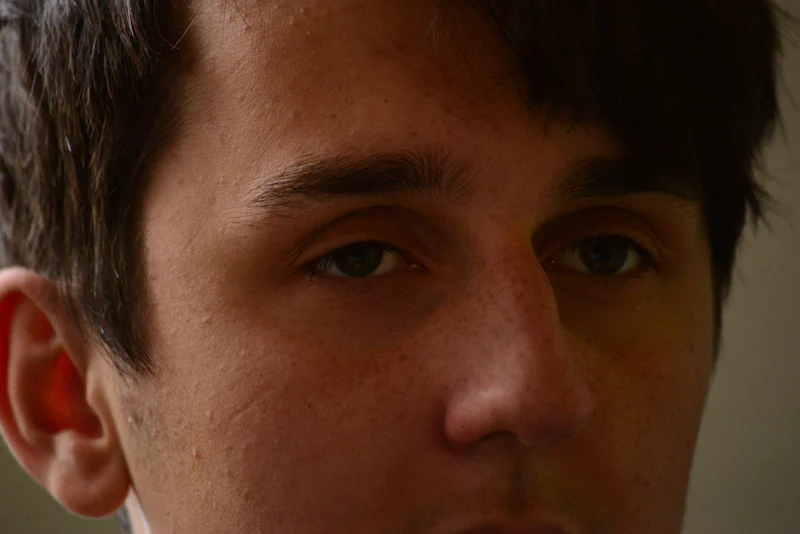
Contemporary Chinese media and fashion trends are dominated by male celebrities and idols who frequently sport the 'flower boy' look, characterized by pristine skin and minimal facial hair. These figures act as major influencers on younger generations. On platforms like Xiaohongshu (Little Red Book), the discourse surrounding masculinity frequently highlights skincare regimens rather than beard styling techniques. This is a deliberate aesthetic choice that contrasts with the 'lumbersexual' trends observed in Western markets. For a man living in China, maintaining a clean-shaven look is often the most effective way to align with mainstream fashion expectations.
Practical Considerations for Expats
If you choose to maintain a beard while living in China, be aware that your appearance may be viewed as either unconventional or overly rugged. While you are unlikely to face direct criticism, you may find that barbershops in smaller cities are better equipped for standard haircuts than for professional beard sculpting. If you require specialized beard care, it is best to rely on imported products purchased via Taobao (the major online marketplace), as local physical stores may have a limited selection of beard-specific trimmers or styling agents.
Ultimately, understanding the preference for smooth skin in China is about recognizing that cultural standards of masculinity are fluid and vary significantly across global regions.
How do your Chinese colleagues or friends typically react when they see foreigners sporting long or thick beards?
Quick Takeaways:
- Clean-shaven faces are preferred for their association with youth and professional order.
- Corporate environments often implicitly require a polished appearance with minimal facial hair growth.
- Popular media trends prioritize skincare regimens over beard cultivation for most men.
- Specialized beard grooming products are best sourced through online platforms like Taobao.
#chinaculture #mensgrooming #expatlife
