Facial hair is rare in China primarily because modern grooming standards emphasize a clean-shaven, youthful, and professional appearance, which is deeply rooted in both traditional aesthetics and contemporary corporate culture. While Western trends often celebrate rugged beards as signs of masculinity, the prevailing social expectation in China leans toward smooth skin as a marker of tidiness and personal discipline. Understanding this dynamic helps explain why you might feel like the odd one out if you sport a full beard in a Chinese office environment, and why the grooming industry here is heavily tilted toward skincare rather than beard maintenance.
Historical Roots of Facial Aesthetics
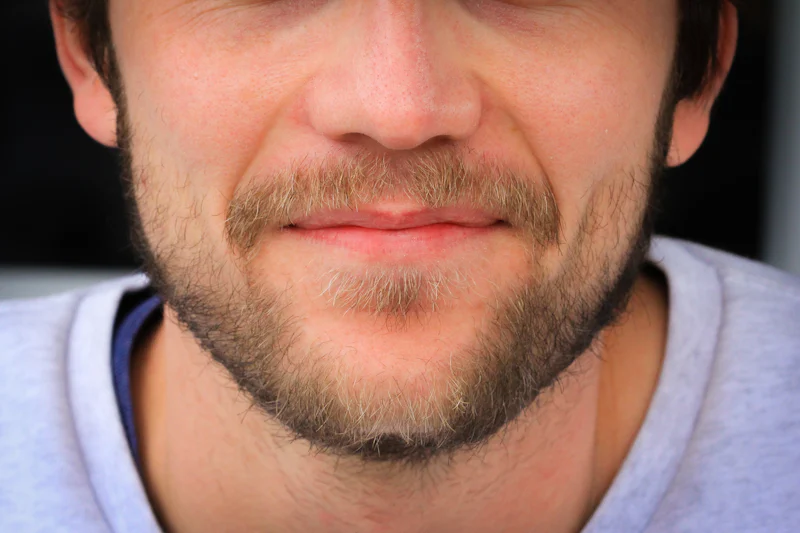
In ancient China, long, thin mustaches and goatees were historically associated with wisdom, authority, and scholarly status, often referred to as huzi (facial hair). During the Qing dynasty, these were signs of high social standing. However, the 20th century brought a radical shift. The modernization movements of the early 1900s, followed by the adoption of Western-style business attire and professional norms, saw the clean-shaven face become the new standard for the modern man. Today, a beard is often perceived as a sign of neglect, suggesting that one lacks the time or discipline to maintain a groomed appearance.
Modern Corporate and Social Expectations
In many Chinese workplaces, particularly in sectors like finance, law, or public-facing government roles, a clean-shaven face is considered a prerequisite for professional credibility. This is not necessarily a written rule, but rather an unwritten social contract known as mianzi (face or social reputation). If an employee shows up with a beard, it may be interpreted as being 'unpolished.' Conversely, skincare is massive in China; men are encouraged to invest in cleansers and toners to maintain a bright, smooth complexion. You will notice that retail shelves in stores like Watsons carry an extensive range of razor blades and aftershave, but almost nothing in the way of high-end beard oils or trimming waxes.
Adapting Your Grooming Routine
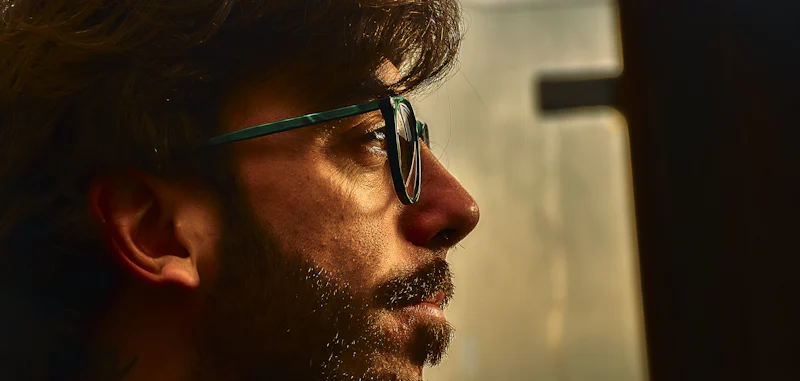
If you live in China and choose to keep facial hair, expect to manage it strictly. The key is to keep it neatly trimmed so it appears intentional rather than messy. Most local barbershops, or lifating (hair salons), specialize in precision haircuts and clean shaves rather than beard sculpting. If you have a complex beard style, it is often better to purchase a professional-grade trimmer online via Taobao and handle the maintenance yourself at home. Many expats find that in creative industries or international environments, facial hair is more acceptable, but it is always wise to keep the neckline sharp to avoid the 'unprofessional' label.
Navigating Public Perception
Be prepared for occasional comments from locals, especially older generations, who might bluntly ask why you do not shave. This is rarely intended as an insult; it is often just curiosity based on their own grooming culture. You might hear people use the term manlian (overgrown face) if your stubble becomes too prominent. Developing a lighthearted response can help diffuse these moments. If you work in a client-facing role, you might find that keeping your facial hair well-manicured significantly changes how clients interact with you during meetings, as a clean appearance is often equated with trustworthiness.
Ultimately, while facial hair is not taboo, maintaining a clean-shaven look remains the most effective way to align with mainstream beauty standards in professional Chinese settings. Have you ever felt that having a beard hindered your professional opportunities or interactions while living in China?
Quick Takeaways:
- Clean-shaven skin is the dominant beauty standard for men in modern Chinese society.
- Facial hair is often viewed as a lack of professional discipline or grooming.
- Skincare is prioritized over beard maintenance in the local men's grooming market.
- Invest in a quality home trimmer if you intend to keep your beard.
#chinaculture #grooming #expattips
