In Ancient China, facial hair in art served as a visual shorthand for wisdom, maturity, and moral authority, reflecting Confucian values that viewed the body as a gift from parents that should remain unaltered. While modern East Asian grooming standards often lean toward clean-shaven appearances, historical depictions of emperors and scholars were intentional, signaling that a man had achieved the age and gravitas required to lead. Understanding this aesthetic choice provides a deeper look into the historical social hierarchy where a well-kept beard was far more than a style choice; it was a societal mandate for elite status.
The Confucian Philosophy of the Body
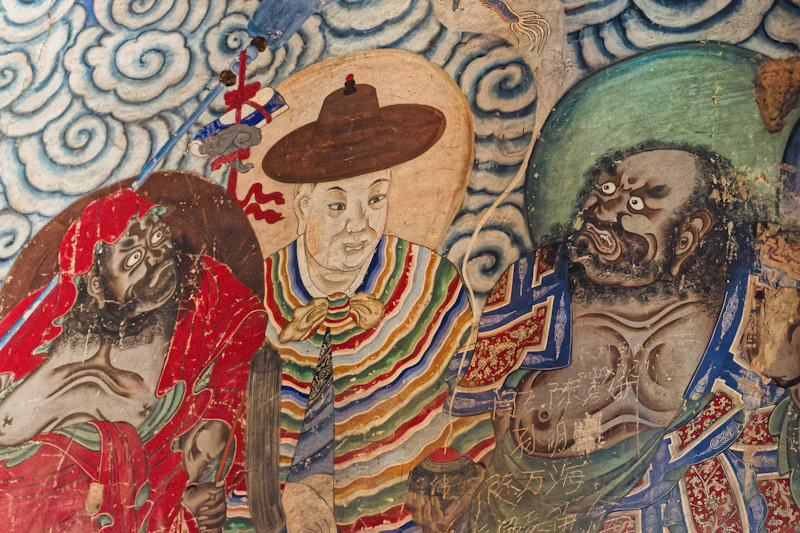
The roots of beard-growing in historical China lie in the Confucian principle of xiao (filial piety). According to the Classic of Filial Piety (孝经, Xiaojing), the body, hair, and skin are received from parents and should not be damaged or altered. Cutting one's hair or shaving one's beard was once considered a sign of disrespect toward one's ancestors. Consequently, emperors, who were viewed as the "Son of Heaven," were expected to maintain their natural appearance, including facial hair, to demonstrate their adherence to these foundational moral codes.
Beards as Indicators of Rank and Wisdom
Beyond spirituality, the length and fullness of a beard functioned as a physical metric for social standing. In the imperial court, a full, well-groomed beard communicated that a man had passed his youth and had attained the "middle age" milestone, traditionally considered the period of peak wisdom. Artists used specific techniques to portray this; emperors were often depicted with long, flowing "three-strand" beards—a style known in Chinese art history as the sanliang (三绺, three-tuft beard). This specific aesthetic served to emphasize the figure's composure and connection to traditional values, distinguishing them from the younger, clean-shaven foot soldiers or minor civil servants.
The Evolution of Grooming Standards
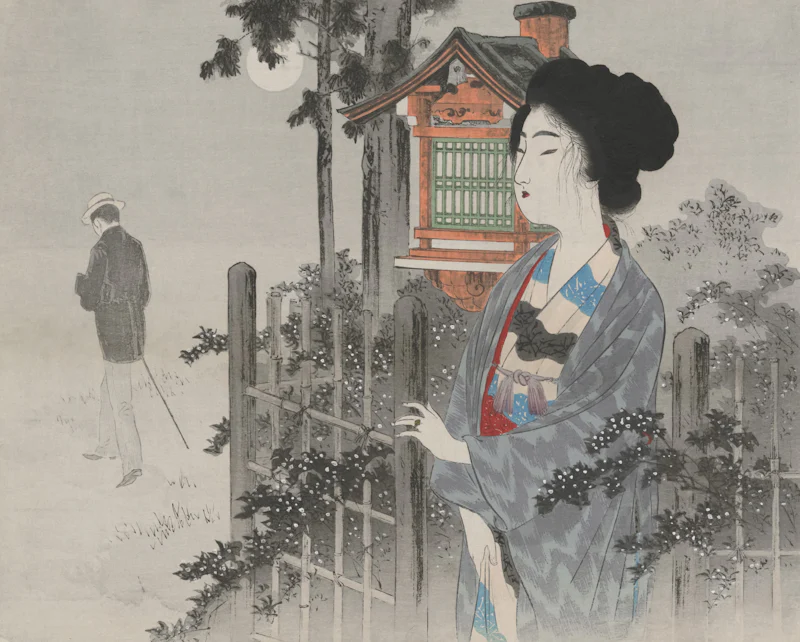
While facial hair remained a staple of elite portraiture for centuries, the transition to modern grooming trends was influenced by the early 20th-century "New Culture Movement" (新文化运动, Xin Wenhua Yundong). This period marked a significant shift toward Western-influenced hygiene standards, where the clean-shaven face became synonymous with modernity, discipline, and efficiency. By the mid-20th century, the cultural emphasis on maintaining natural hair as a sign of filial piety gave way to the practical demands of military, political, and corporate life. Today, a man with a full, natural beard in a professional Chinese office is a rarity, signaling a departure from both traditional Confucian aesthetic mandates and modern grooming conventions.
Decoding Art vs. Historical Reality
When visiting museums like the Gugong (故宫, Palace Museum) in Beijing, it is important to note that imperial portraits were often stylized. Court painters used facial hair to enhance the dignity of the subject, sometimes exaggerating its length to signify longevity and divine favor. If an emperor had a sparse beard in real life, a painter would likely "correct" this in a portrait to ensure the subject looked every bit the powerful, sage-like leader history expected. This artistic practice illustrates how Chinese portraiture functioned less as a photorealistic record and more as a symbolic representation of the ruler's ideological virtue.
Ultimately, a beard in Ancient Chinese art functioned as a symbolic vessel for ancestral heritage and political authority rather than a mere personal style choice. Have you noticed how these traditional standards of beauty or status differ from the grooming expectations in your own home country?
