Using a Utah online marriage certificate for a China S1 visa application is generally not feasible because Chinese consulates and the 出入境管理局 (Exit-Entry Administration) typically require physical, in-person marriage proof that has been properly authenticated through the Hague Convention Apostille process. While Utah law recognizes proxy or remote marriages, Chinese authorities require a document that clearly demonstrates a formal, physical ceremony took place, often excluding digital-only unions from meeting their criteria for spousal recognition. If your marriage certificate lacks a physical venue or in-person witnesses, you will likely face significant hurdles during the document verification stage.
The Authentication Gap
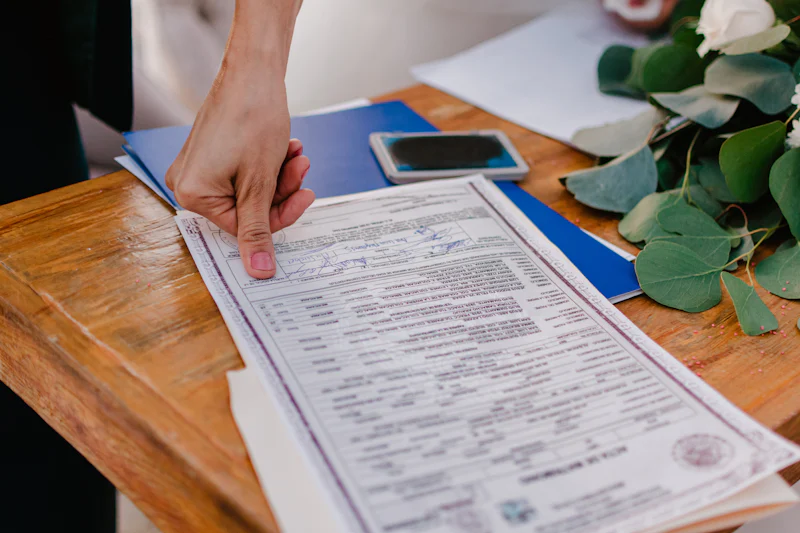
To have any foreign document accepted in China, it must undergo a strict chain of authentication. For US documents, this starts with an 附加证明书 (Apostille) from the Secretary of State where the document was issued. Because online marriage certificates from Utah are issued digitally, they often fail to satisfy the requirement of 'official certification' because they lack the physical signatures or stamps that Chinese officials are trained to recognize. The 领事认证 (Consular Authentication) process is designed to verify the authenticity of government records, and without a traditional paper trail, the local visa office will often flag the marriage as invalid for the purpose of an S1 dependent visa.
Understanding the S1 Visa Requirements
The S1 visa is strictly reserved for family members—specifically spouses, children, and parents—of individuals holding Z (work) or X1 (study) visas. When you submit your application at the 中国签证申请服务中心 (Chinese Visa Application Service Center), the reviewing officer looks for a marriage certificate that clearly links your identities. If you cannot provide a certificate that shows a date and location of the wedding ceremony, the officer may classify the marriage as 'remote' or 'proxy,' both of which are notoriously difficult to use for immigration purposes in China. Most PSB offices rely on the 婚姻法 (Marriage Law), which tends to favor traditional, face-to-face registration methods.
Mitigating Risks and Alternative Approaches
If you are already married via a Utah online platform, you should consult with a professional immigration lawyer specializing in China-US cross-border law. Before attempting to use the digital document, you might consider performing a formal, in-person ceremony in the state where your partner resides or in a third country that recognizes your current union. This creates a new, physically verifiable certificate that is much easier to apostille. Alternatively, some expats have attempted to register their marriage locally in their home country’s embassy in China, though this is only possible if both parties are present and hold valid passports from the same nation. Always ask for a formal 书面拒绝通知 (Written Rejection Notice) if your application is denied, as this provides clarity on exactly which document requirement you failed to meet.
Current Enforcement Trends
Recent updates to internal policy mean that Chinese border officials have increased scrutiny on all spousal evidence. Even if you manage to secure a visa through a secondary loophole, you still need to register for your 居留许可 (Residence Permit) once you arrive in China. During this second check, the local police may re-evaluate your marriage documentation. Relying on an online-only certificate creates a long-term liability where your right to reside in China could be revoked if the local authorities decide the initial marriage evidence was insufficient. Always prioritize obtaining a document that would be universally accepted by a court of law in your home country to ensure a smooth transition.
Your marriage documentation must be physically authenticated to be recognized by Chinese immigration authorities.
Have you successfully processed a marriage certificate from a digital-only jurisdiction for a Chinese visa in the last six months?
- Quick Takeaways:
- Utah online marriage certificates often fail authentication for Chinese visa applications.
- Documents must receive an Apostille to be considered valid by Chinese officials.
- The S1 visa requires evidence of a verifiable, in-person marriage ceremony.
- Local PSB offices may reject digital certificates even after a visa is issued.
#chinavisa #s1visa #legalization
