The 144-hour TWOV transit visa is valid for your itinerary only if your flight path follows a strict A-to-B-to-C pattern where B is a mainland Chinese city and A and C are in different countries or regions. If your itinerary involves a domestic stop within China before exiting to a third country, you must ensure that your travel falls within the designated regional clusters, such as the Beijing-Tianjin-Hebei region or the Yangtze River Delta. Misunderstanding these connectivity rules is the most common cause of denied boarding at your departure airport.
The A-to-B-to-C Requirement
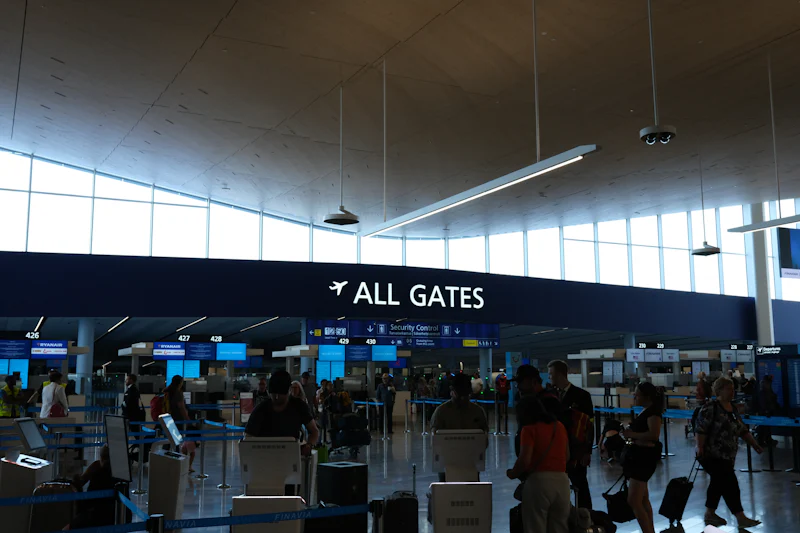
To qualify for the 144-hour transit without visa, you must hold a confirmed ticket to a third country or region. A common misconception is that a return ticket to your departure point works; it does not. If you fly London-to-Shanghai-to-London, you are not eligible. Your exit ticket must show you are traveling to a location outside of mainland China. Hong Kong, Macau, and Taiwan are considered 'third regions' for the purposes of this policy, making them valid destinations for your onward journey.
Understanding Regional Clusters
While the permit is often referred to as a single national policy, it is actually administered in specific geographical clusters. For example, if you arrive in Shanghai under the 144-hour policy, you are permitted to travel within the 长江三角洲 (Yangtze River Delta) region, which includes Shanghai, Jiangsu, and Zhejiang. You cannot arrive in Shanghai and then fly to a city in a different cluster, such as Beijing, without a separate visa. Always verify that your secondary stops remain within the permitted provincial boundaries defined by the local 出入境管理局 (Exit-Entry Administration).
Pitfalls with Multi-Stop Flights
Many travelers assume they can take a flight with a domestic layover, such as flying into Shanghai and then taking a domestic flight to Beijing before exiting the country. This is generally prohibited unless both cities are within the same authorized cluster. If your ticket includes a connection in mainland China that acts as a domestic flight, you may be flagged at immigration. Always check if your flight is labeled as a domestic leg. If you must travel between two distant Chinese cities, you are effectively ending your transit eligibility and will require a standard tourist visa.
Documentation and Preparation
When you arrive at the immigration counter, you must present your passport, your onward ticket to a third country, and your completed 外国人入境卡 (Foreigner Arrival Card). It is highly recommended to print your itinerary and hotel bookings. Immigration officers may ask for proof of your departure. If you are staying at a private residence rather than a hotel, ensure you have your 住宿登记表 (Registration Form of Temporary Residence) ready, as this is a legal requirement for all foreign nationals staying in China.
Your transit eligibility hinges entirely on leaving the mainland for a different international destination within 144 hours of arrival. Have you ever encountered issues with airport staff misinterpreting your transit route?
Quick Takeaways:
- Ensure your onward ticket is to a different country or region than arrival.
- Stay within your arrival region cluster to avoid violating the transit visa rules.
- Print all flight itineraries and hotel bookings to show the immigration officer clearly.
- Remember that Hong Kong and Macau count as third regions for onward travel.
#twov #chinatravel #visatips
