Navigating Chinese social etiquette centers on the concept of 'mianzi' (面子), or face, which dictates that interpersonal harmony and social standing are prioritized above blunt honesty. Mastering these norms is not about perfection, but about demonstrating respect for the context and the people around you. By understanding that social interactions function like a well-choreographed dance, you can avoid common missteps and build deeper, more authentic connections with your Chinese colleagues and friends.
Understanding the Dynamics of Face
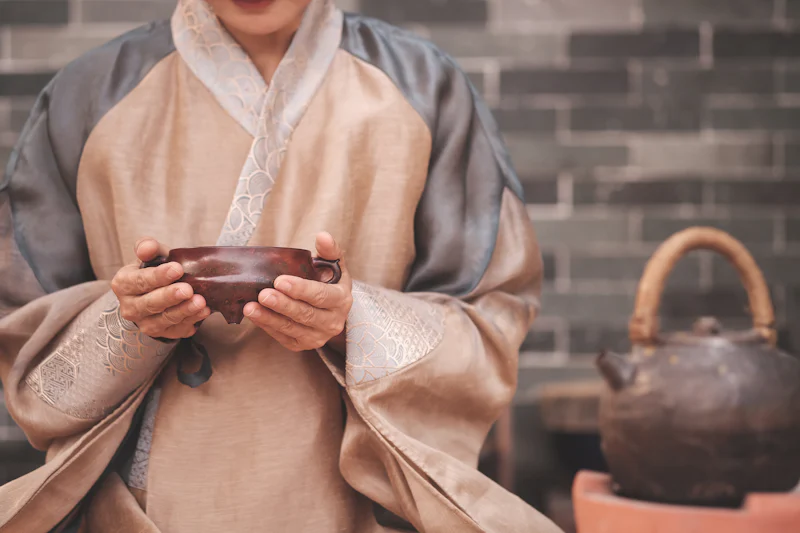
'Mianzi' is the bedrock of Chinese social culture. It represents a person’s reputation, dignity, and social standing. In practice, this means avoiding public confrontation or causing someone to feel embarrassed. If you disagree with a colleague or friend, do so privately rather than in a group setting. Publicly correcting someone can lead to a loss of face, which can irreparably damage your relationship. Always frame your feedback in a way that allows the other person to maintain their dignity and feel supported rather than criticized.
Mastering Dinner Table Manners
Dining is the primary venue for business and social bonding in China. When invited to a meal, the seating arrangement often follows a hierarchy, with the seat facing the door reserved for the most senior person, or the host. Regarding eating, wait for your host to start before you begin. If you are drinking baijiu (白酒, a strong white spirit), it is common practice to toast. Keep your glass lower than your host's glass during a toast to show respect. Additionally, never stick your chopsticks vertically into a bowl of rice, as this resembles the incense used during funeral rites.
Gift-Giving Protocols
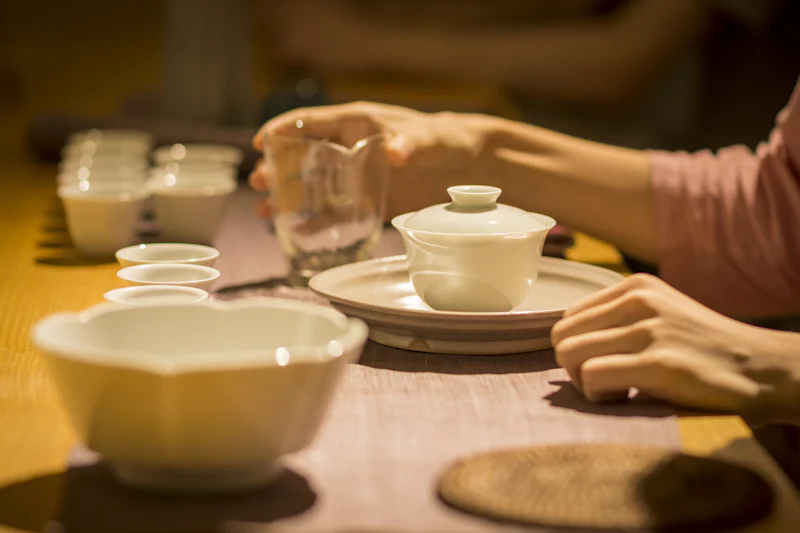
Gift-giving is a gesture to express appreciation or build guanxi (关系, connections). Avoid giving clocks, as the phrase 'giving a clock' sounds like 'attending a funeral' in Chinese. Umbrellas are also avoided because the word for umbrella sounds like the word for 'separation.' Instead, opt for high-quality fruits, tea, or local specialties from your home country. When presenting a gift, use both hands to offer it, and be prepared for the recipient to decline it initially out of modesty. This is a ritual; persist politely, and they will eventually accept it with gratitude.
Managing Tipping and Payments
Unlike in many Western countries, tipping is not standard practice in China. In restaurants, hotels, or taxis, simply pay the fare or bill as presented. If you attempt to tip, it may lead to confusion, and staff might chase you down thinking you accidentally left extra money. When paying for a group meal, avoid splitting the bill. It is customary for one person to cover the entire cost. If you are the guest, offer to pay, but understand that the host will likely insist on handling the bill, which is their way of showing hospitality.
Communication Nuances
Chinese communication often relies on 'high-context' cues, meaning much is implied rather than stated explicitly. A 'maybe' or 'I will consider it' can sometimes be a polite way of saying 'no' to avoid conflict. Pay attention to silence and body language, as these are as important as spoken words. If you are unsure about an invitation or a request, observe how your Chinese counterparts react to similar situations and follow their lead.
Success in social situations comes from prioritizing the comfort and reputation of others over individual expression.
What is one specific social scenario in China that still feels confusing or awkward to you?
Quick Takeaways:
- Avoid public confrontation to ensure everyone maintains their social face and dignity.
- Use two hands when giving or receiving gifts to show proper respect.
- Never stick your chopsticks vertically into a bowl of rice during meals.
- Tipping is not expected or standard; simply pay the bill as presented.
#chineseculture #socialetiquette #expattips
