Finding truly accurate depictions of Ancient China in media requires distinguishing between historical record and cultural myth, as many popular dramas prioritize entertainment value over chronological precision. To grasp the foundation of Chinese history, it is best to approach these works as cultural lenses rather than textbooks, focusing on the social values and political philosophies embedded in the storytelling. While no single film or book captures the entire scope of the Middle Kingdom, certain titles are widely respected for their attention to period detail, architectural accuracy, and the portrayal of traditional li (etiquette) and governance structures.
The Complexity of Three Kingdoms Adaptations
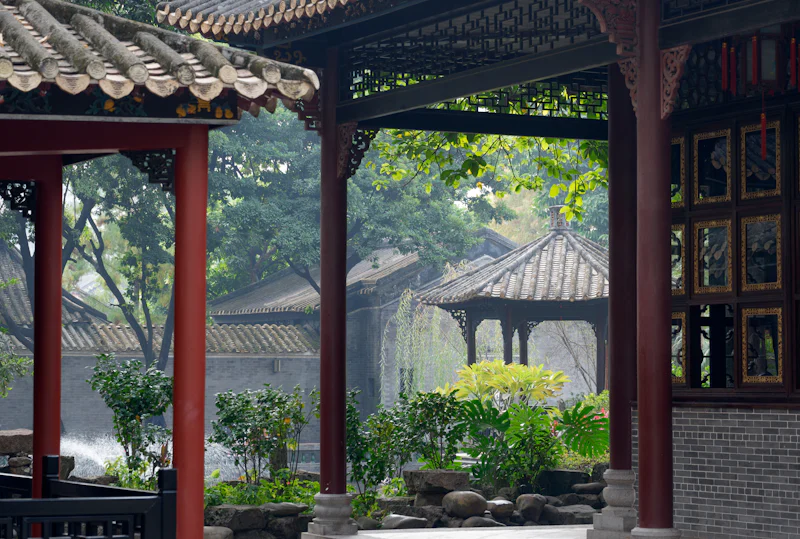
The era of the Sanguo (Three Kingdoms) is the most adapted period in Chinese history. The 2010 television series 'Three Kingdoms' is often praised by historians for its character depth, though it takes creative liberties with military tactics. For a deeper understanding, compare the series with the literary classic 'Romance of the Three Kingdoms' by Luo Guanzhong. While the book is a work of historical fiction, it serves as the definitive cultural guide to the period's political strategy, known as mou (cunning strategy). Be aware that these adaptations emphasize loyalty and betrayal to teach moral lessons, rather than providing a factual battle-by-battle account.
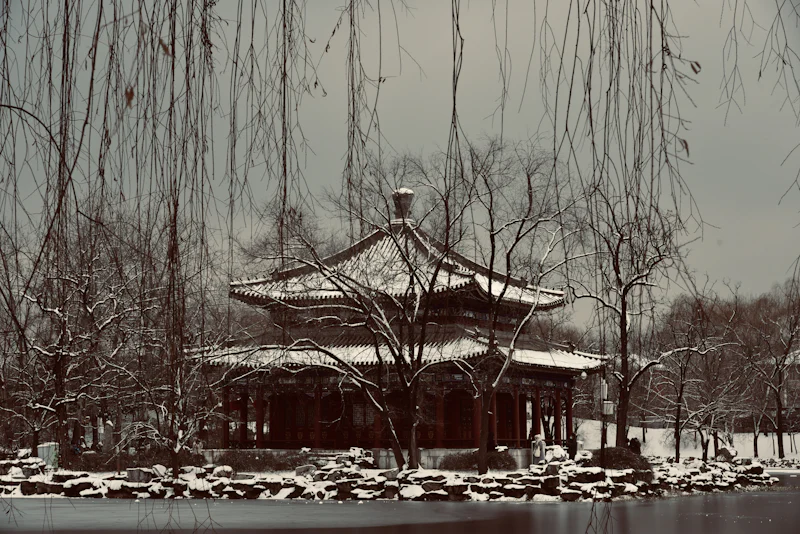
Historical Realism in Modern Media
If you are searching for visual accuracy regarding the Tang Dynasty, the series 'The Longest Day in Chang'an' is an excellent starting point. The production team invested significant resources into reconstructing the architectural layout of the capital city and the traditional attire worn during the 8th century. It captures the atmosphere of the fushi (clothing style) and the bustling nature of the market districts with impressive attention to detail. Similarly, for a more academic approach to understanding Medieval China, 'The Early Chinese Empires: Qin and Han' by Mark Edward Lewis provides a rigorous look at how these dynasties unified the country. It is essential reading for understanding why modern Chinese governance still reflects the structures established over two thousand years ago.
Balancing Entertainment and Scholarship
To truly learn from Chinese historical media, apply a "three-source" approach: watch the drama, consult a brief historical summary via a database like the Baidu Baike (Chinese equivalent of Wikipedia), and read a corresponding chapter in a general history book. Avoid works that rely heavily on the wuxia (martial arts) fantasy genre if your goal is historical study, as these are meant for escapism rather than education. Focus instead on productions that emphasize the guanxi (social networks) and bureaucratic challenges of the era, as these elements provide the most genuine insight into how the society functioned on a daily basis.
Understanding the past is key to navigating the social and cultural nuances of modern China, as many contemporary values remain deeply rooted in ancient traditions. Which historical period in China have you found most compelling to explore through literature or film?
Quick Takeaways:
- Distinguish between historical records and creative myth to avoid common cultural misconceptions.
- Use the 2010 'Three Kingdoms' series to understand classic Chinese political and social philosophy.
- Read 'The Early Chinese Empires' for a factual grounding in ancient government and history.
- Pair every drama with a reliable historical summary for a more balanced perspective.
#ancientchina #chinesehistory #culturalstudies
