The relative scarcity of facial hair among many Chinese men is a combination of genetic predispositions and deeply rooted cultural aesthetic standards that favor a clean, youthful appearance. While historical depictions often featured long, thin beards as symbols of wisdom and seniority, modern urban grooming trends have pivoted toward a preference for smooth, well-maintained skin. Understanding this shift requires looking at the intersection of biological reality and the contemporary societal pressure to appear professional, neat, and youthful in the workplace.
The Genetic and Biological Reality

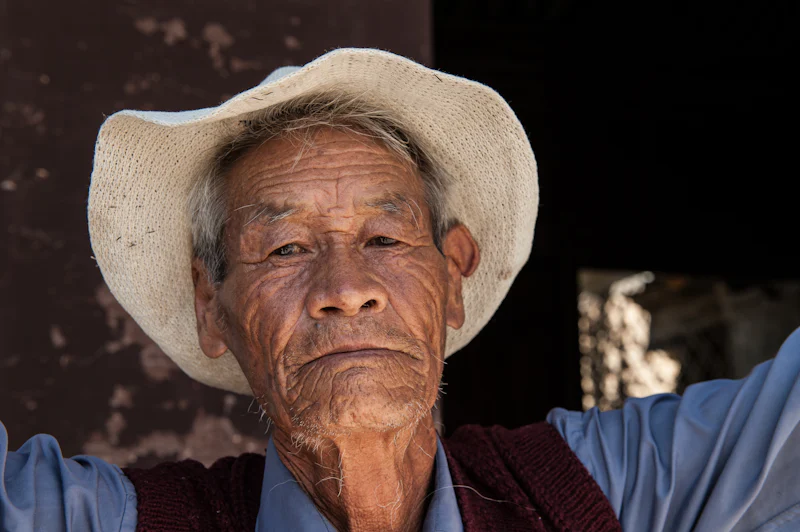
Many East Asian men possess a lower density of facial hair follicles compared to their Western counterparts. This is largely attributed to genetic factors that result in slower and thinner growth patterns. While there is a common misconception that Asian men cannot grow facial hair at all, it is more accurate to say that the rate of development and the coverage density are generally lower. Consequently, the grooming standard in China often focuses on maintaining a clean-shaven look rather than attempting to cultivate a beard that might appear patchy or uneven. In a culture where physical maintenance and attention to detail are highly valued, the aesthetic goal is often to optimize the features one has rather than forcing a style that requires heavy upkeep.
Historical Significance of Beards
Historically, facial hair in China held significant social weight. During the Ming (Ming Dynasty) and Qing (Qing Dynasty) eras, long, thin beards were common among scholars and officials to signify age, maturity, and social status. In literature and traditional opera, a character’s beard often served as a visual shorthand for his morality or wisdom. However, this changed drastically following the cultural shifts of the 20th century. As China moved toward rapid modernization, the image of the 'new man' became increasingly associated with industrial efficiency, cleanliness, and a Western-influenced professional aesthetic. This transition effectively relegated the traditional long beard to historical dramas and folklore, while the clean-shaven face became the standard for modern urban professionalism.
Modern Grooming and Workplace Expectations
In the modern Chinese corporate environment, a clean-shaven face is often viewed as a sign of discipline and respectability. Employers typically prioritize a polished image, and for many men, daily grooming is considered an essential part of the morning routine. Men’s skincare and grooming products have exploded in popularity, with many men utilizing platforms like 小红书 (Xiaohongshu) to research the best tools and techniques for maintaining clear skin. This emphasis on skin health creates a sharp contrast with the heavy maintenance required for thick beards. In many sectors, appearing with stubble is often misinterpreted as laziness or a lack of personal management rather than a stylistic choice. Consequently, maintaining a smooth complexion is seen as a way to signal that one is attentive, organized, and ready for the demands of the modern office.
Cultural Perception of Facial Hair
While attitudes are slowly shifting in creative hubs like Shanghai or Beijing, facial hair still carries a distinct subcultural connotation. A beard might be perceived as either 'artistic' or 'rugged,' but it is rarely the default choice for the average professional. For foreigners living in China, growing a full beard is often met with curiosity or surprise. It is not necessarily viewed negatively, but it is certainly seen as an outlier. If you choose to maintain facial hair while in China, keeping it trimmed using professional tools is critical to ensuring it is viewed as a deliberate style rather than an accidental byproduct of neglected grooming.
Ultimately, the preference for a clean-shaven face is less about an inability to grow hair and more about a cultural alignment with the aesthetic of modernity, youth, and professional neatness. How have you found that your own grooming habits or beard-wearing style have been received by your local Chinese colleagues or friends?
