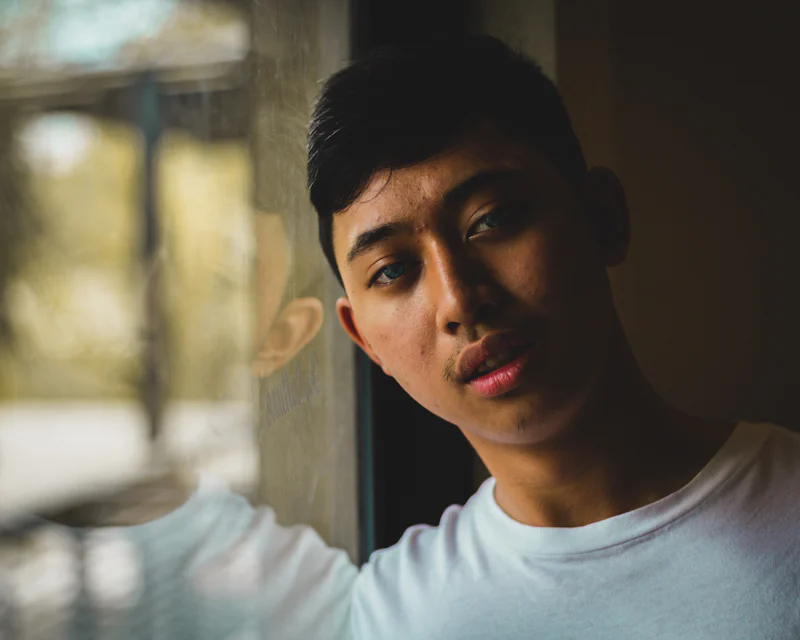
In modern China, facial hair is generally less common than in many Western countries, as clean-shaven faces remain the dominant aesthetic for men in professional and social settings. While you will occasionally see men with light stubble or neatly trimmed beards, the cultural preference largely favors a polished, youthful look. This grooming standard is rooted in both traditional concepts of neatness and contemporary beauty ideals that prioritize a smooth complexion. Understanding this helps explain why you might notice a lack of beard-care variety in local retail stores compared to what you may be accustomed to back home.
The Professional Standard of Grooming
In corporate environments, the expectation for a clean-shaven appearance is quite high. Most Chinese office cultures, particularly in banking, law, and civil service, view a bare face as a sign of discipline and respect for the workplace. If you work in a traditional setting, showing up with a full beard might be perceived as untidy or unprofessional. Even in more casual tech industries, often referred to as the 互联网 (Hùliánwǎng, internet) sector, the emphasis remains on a groomed appearance. If you choose to maintain facial hair, ensure it is kept strictly trimmed, as unkempt beards are frequently associated with being disheveled rather than being viewed as a style choice.
Cultural History and Symbolic Meaning
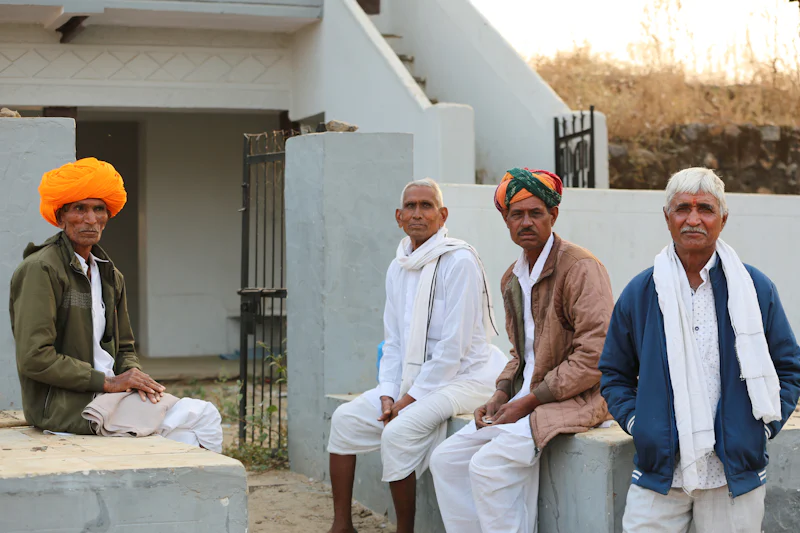
Historically, long beards in China were symbols of wisdom, age, and social status, often depicted in literature and traditional opera to represent elder statesmen or legendary figures like 关羽 (Guānyǔ, a famous historical general). However, this symbolism has shifted drastically in the modern era. Today, a long, flowing beard is largely reserved for theatrical roles or specific artistic subcultures. Outside of these niche contexts, maintaining a traditional, unkempt beard can signal to the general public that a man is older, perhaps retired, or living a lifestyle detached from the fast-paced modern work environment. It is a striking shift from the past where facial hair held high cultural weight.
Navigating Grooming Products in China
If you are committed to maintaining facial hair, be prepared to adjust your shopping habits. While major global brands are available via 淘宝 (Tǎobǎo, Taobao) or 京东 (Jīngdōng, JD.com), local brick-and-mortar stores in smaller cities often focus almost exclusively on electric shavers and mild aftershaves designed for smooth skin. You will find that high-end beard oils, specialized waxes, or dedicated beard trimmers are not standard items in convenience stores like 全家 (Quánjiā, FamilyMart). It is highly recommended to stock up on your specific grooming supplies through online platforms, where the selection is significantly broader and caters to international grooming standards.
Balancing Personal Style and Local Norms
There is no legal or strict social prohibition against having a beard, but you should expect to stand out. In many parts of China, particularly in Tier 2 and Tier 3 cities, a foreigner with a thick or bushy beard is still a point of curiosity. If you prefer to keep your facial hair, simply ensure your overall style—your clothing and hair—is tidy to counteract any potential negative assumptions about your grooming habits. Choosing a balanced look, such as a short, well-defined beard, often bridges the gap between personal preference and local aesthetic expectations more effectively than a full, untamed beard.
Ultimately, while facial hair is not strictly forbidden, a clean-shaven look remains the safest way to align with professional and social expectations in China. How have you adjusted your grooming routine since moving to China, and have you encountered any specific reactions to your personal style?
Quick Takeaways:
- Clean-shaven faces are the standard for professional settings in China.
- Long beards are culturally associated with age and traditional stage roles.
- Specialty beard products are best purchased via online platforms like Taobao.
- Keep facial hair short and well-trimmed to maintain a professional appearance.
#chinaexpats #mensgrooming #chinaculture
